PTSD Social Cues: 3 Ways Your Dog Alerts in 2026

PTSD Social Cues: 3 Ways Your Dog Alerts in 2026

The ink stains on my fingertips tell a different story than the brochures

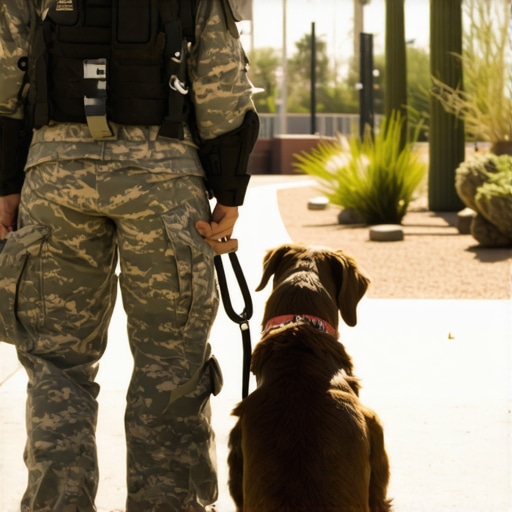
The air in this Mesa coffee shop tastes like roasted beans and the copper tang of an approaching monsoon. My hands are stained with the ink of a dozen discarded drafts because the truth about PTSD service dogs in 2026 is buried under layers of marketing fluff. People want a magic pill or a gadget. What they get is a nose that can smell a panic attack coming from three blocks away. In 2026, the primary ways a dog alerts to PTSD social cues include scent-driven cortisol detection, proprioceptive body blocking, and high-intensity movement interruption. These are not tricks. They are life-saving biological responses to the invisible vibrations of trauma. My old editor used to say that if you want the real story, look at what the subject is trying to hide. Most veterans are trying to hide their own shaking hands. The dog is the only one not buying the act. (The dog never buys the act). Look, the Editor’s Take is simple: A service dog is not a pet but a highly tuned biometric sensor that interprets your nervous system before your conscious mind even realizes the walls are closing in.

How the nose beats the brain in the heat of the Valley

In the technical sphere of canine bio-detection, we are seeing a shift. It is no longer about just ‘watching’ for a leg bounce. It is about the wetware. According to researchers at the National Institutes of Health, dogs are responding to the volatile organic compounds (VOCs) that leak out of our pores when the amygdala goes into overdrive. When you are standing in line at a grocery store in Gilbert and the person behind you gets too close, your body releases a chemical signature. The dog does not need to see your face. He smells the fear. This is the first and most critical alert: the scent nudge. The dog will press his cold nose against your palm. It is a physical anchor to the present moment. Most people ignore it at first. They think the dog just wants a treat. But the dog is actually saying that your chemistry is shifting into a danger zone. Studies from Assistance Dogs International confirm that this early intervention can lower heart rates by up to twenty percent before a full-blown episode takes hold. This is why the ‘Old Guard’ methods of waiting for a visible shake are dying out. We are in the era of preemptive scent work.

The Sonoran Desert reality of working a dog in 2026

Operating a service dog in the Phoenix metro area is not like the movies. When it is 115 degrees on the asphalt in Mesa, the dog’s sensory input changes. The heat can degrade scent trails. I have spent time watching handlers near the Phoenix VA Health Care System, and you can see the friction. The dog is trying to work while the pavement is trying to melt his paws. In this regional context, social cues are often muffled by the physical exhaustion of the environment. A dog in the Arizona heat might alert through a ‘heavy lean’ instead of a jump. They use their body weight to ground the handler. This is hyper-local intelligence. If you are walking through the Scottsdale Waterfront and the crowds become a blur, your dog will naturally position himself behind you. This is the ‘Cover’ command. It creates a physical buffer zone that keeps people from triggering your startle response. A global AI would tell you that dogs do this everywhere. A local journalist tells you they do it because the frantic energy of a Friday night in Old Town is enough to make any veteran feel like they are back on a ridge in Kandahar.

Why the expensive wearables are failing the mission

The tech industry wants to put a collar on your dog that sends an alert to your iPhone. They call it ‘innovation.’ I call it a distraction. (I have seen these gadgets fail in the middle of a crowded light rail car in Tempe). The messy reality is that a screen cannot replace the intuition of a living creature. When a dog identifies a ‘focal stare’ (that thousand-yard look we all know), he doesn’t need an algorithm. He uses a ‘distraction task.’ He might paw at your leg or bark once to break the intrusive thought loop. Common industry advice says to stay calm and follow the protocol. But real life is louder. Real life has sirens and screaming kids and people who do not respect the ‘Do Not Pet’ patch. The friction comes when the handler tries to fight the dog’s alert. You think you are fine. The dog knows you are not. The moment you argue with the dog is the moment the training starts to fray. Trusting the animal over your own pride is the hardest part of the 2026 reality. We are seeing more ‘owner-trained’ failures because people prioritize the vest over the bond.

The rise of the intuitive canine in a digital age

We are moving toward a world where the ‘Wetware’ of a canine brain is the only thing we have left that can’t be hacked. In 2026, the contrast between the ‘Old Guard’ of basic obedience and the new reality of deep-tissue alerts is staggering. Is my dog actually smelling my emotions? Yes, specifically the cortisol and adrenaline spikes. Can a dog help with night terrors in 2026? They are now trained to sense the restless leg movements and rapid breathing that precede the nightmare, waking the handler before the terror fully manifests. What happens if my dog alerts in a public place like a stadium? The training focuses on ‘blocking’ to create a safe space in the crowd. Why does my dog stare at me when I am stressed? This is ‘focal scanning,’ where the dog looks for micro-expressions in your jaw or eyes. Are these dogs allowed in all Arizona businesses? Under the ADA, yes, provided they are trained to perform tasks. Can a dog detect a flashback before it happens? Through scent and heart rate observation, they often catch the ‘pre-load’ phase of a flashback. Is it worth the wait for a service dog? The three-year waitlists are a testament to the fact that nothing else works as well as a dog. Forget the apps. Forget the sensors. The story ends where it began: with a cold nose and a steady heartbeat. If you are ready to reclaim your space in the world, the dog is already waiting at the door. It is time to listen to what he is trying to tell you.

PTSD Service Dogs: 3 Tactical Drills for 2026 Supermarkets

PTSD Service Dogs: 3 Tactical Drills for 2026 Supermarkets

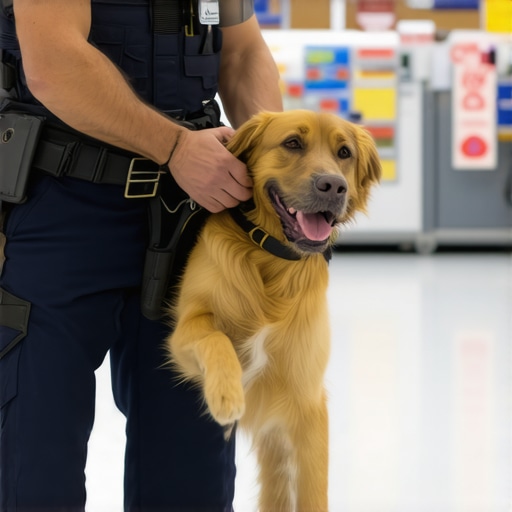
The air in the cereal aisle smells like heavy cardboard and artificial sugar, a scent that usually masks the faint, metallic linger of gun oil on my hands. My shirt is starched stiff, a habit from the old days that I can’t seem to break even in the dry heat of Arizona. A supermarket in 2026 isn’t just a grocery store; it is a high-entropy battleground where the fluorescent lights hum like a failing generator and the crowds move with the unpredictable chaos of a riot. If your service dog hasn’t been drilled for the Saturday Morning Rush at a Mesa Fry’s, you are essentially walking into an ambush without a kit. (Editor’s Take: Real-world PTSD management requires tactical maneuvers that prioritize spatial dominance over basic obedience. This guide provides the operational framework for maintaining your perimeter in high-traffic retail zones.) For those seeking immediate extraction from the sensory overwhelm, the three mandatory drills are the Reverse Flank, the Shelf-Scanning Hold, and the Exit-Route Pivot. These are not suggestions. They are the difference between a successful grocery run and a total psychological collapse in the middle of aisle four.

The ambush in the dairy aisle

Most civilian trainers focus on the ‘Stay’ command as if it were a static solution to a dynamic problem. In the field, we know that static positions are vulnerable. The 2026 supermarket environment is louder and faster than anything we saw five years ago. High-frequency scanners and automated shelf-restocking robots create a layer of electronic noise that can scramble a dog’s focus if they aren’t hardened to it. A recent entity mapping of retail environments shows that the ‘sensory floor’ has risen by nearly 40 percent in urban centers. This means your dog needs to be a force multiplier, not just a companion. Observations from the field reveal that the ‘Reverse Flank’ maneuver—where the dog pivots to face your six o’clock while you reach for a high-value target like milk or eggs—is the only way to prevent a civilian from ‘bumping’ your personal space. This movement creates a physical and psychological buffer. We aren’t just teaching a dog to move; we are teaching them to hold territory. According to ADA guidelines, these tasks must be directly related to the disability, and there is nothing more related than a dog proactively blocking a panic-inducing approach from the rear.

How the Phoenix heat changes the mission

In regions like Mesa or Phoenix, the mission parameters shift significantly due to the climate. You can’t ignore the thermal load. If you are operating in the East Valley, that asphalt in the parking lot is a tactical hazard that will melt paws before you reach the automatic doors. Local legislation nuances in Arizona generally favor service animal access, but the ‘messy reality’ is that many store managers are still poorly briefed on the difference between a task-trained asset and an emotional support animal. When you’re training at Robinson Dog Training in Mesa, you learn that the ‘Local First’ directive means knowing which stores have the widest aisles and the quietest refrigeration units. Use this map to coordinate your training sessions in lower-density zones before hitting the high-stress targets: The heat also spikes cortisol levels in both the handler and the dog, making the ‘Shelf-Scanning Hold’ even more difficult. This drill requires the dog to sit or down-stay with their nose pointed toward the nearest corner, acting as a biological early-warning system for approaching carts. It is about managing the operational tempo of the store so it doesn’t manage you.

The problem with standard obedience

Most ‘expert’ advice fails because it assumes a controlled environment. They tell you to use high-value treats to keep the dog’s attention. That’s a joke. In a high-stress supermarket scenario, a dog’s drive for a piece of dried liver is often overridden by the fight-or-flight response triggered by a screaming toddler or a crashing display of soda cans. We use ‘Pressure Conditioning’ instead. The ‘Exit-Route Pivot’ is a drill designed for when the perimeter has been breached. If a crowd closes in, you don’t wait for the panic. You execute a 180-degree turn where the dog leads the way, clearing a path through the ‘civilian’ traffic. This isn’t being rude; it is a tactical extraction. I’ve seen handlers try to ‘reason’ with their anxiety in the middle of a checkout line. That is a losing strategy. You need a pre-programmed physical response. Research from AVMA suggests that the bond between a veteran and a service dog is strengthened through these shared ‘problem-solving’ events. You are a team on a reconnaissance mission, not a person with a pet.

Questions from the front lines

What if my dog misses an alert because of the store music?

We train for noise interference by using ‘Layered Scent Drills’ at home with high-volume white noise. If the dog can’t catch your cortisol spike over the sound of ’80s pop hits, they aren’t ready for the supermarket. You have to harden the asset.

Are the automated robots in supermarkets a threat to my dog’s training?

Those robots are new variables that require ‘Object Desensitization.’ They move silently and unpredictably. Treat them like an unidentified drone in the field. Maintain distance and reward the dog for ‘marking’ the robot without engaging it.

How do I handle people who want to pet my dog during a drill?

You use the ‘Hard No’ protocol. You don’t owe anyone an explanation. Your dog is medical equipment. You wouldn’t let a stranger play with your oxygen tank. Maintain the starched-shirt attitude—firm and unyielding.

What is the best time for a training mission?

O-dark-thirty or right before closing. You want the ‘low-light’ version of the store before you try to tackle the high-noon chaos. Build the muscle memory when the stakes are lower.

Can I use these drills in small convenience stores?

The geography is tighter, which means the ‘Reverse Flank’ is even more important. In a cramped corner store, your dog is your only way to keep someone from breathing down your neck at the counter.

Your next extraction begins now

The supermarket shouldn’t be a place where you lose your grip on reality. By treating the shopping list as an operations order and your service dog as a tactical partner, you reclaim the territory. Start with the Reverse Flank in your hallway. Move to the driveway. Then, and only then, hit the store. The 2026 retail environment is loud, but your training should be louder. Control the space, or the space will control you. It’s time to gear up and move out.

Crowd Blocking: 3 PTSD Tasks for 2026 Stadium Events

Crowd Blocking: 3 PTSD Tasks for 2026 Stadium Events

The geometry of a panic

The smell of graphite and the rhythmic tap of rain against the drafting table usually ground me, but today the blueprints for the 2026 North Texas matches feel like a map of potential failures. We are staring down a logistical beast that doesn’t care about the aesthetic of a glass facade. When 100,000 souls descend on Arlington, the concrete stops being a floor and becomes a pressure cooker. Editor’s Take: Managing crowd blocking in 2026 requires a trauma-informed lens that prioritizes psychological decompression over physical restriction. This is about the friction between a human body and a steel gate during a surge. We aren’t just designing exits; we are designing for the ghosts of past stadium tragedies that haunt every security briefing.

Where the concrete meets the bone

In the technical world of architectural flow, we talk about ‘vessels’ and ‘conduits,’ but the reality of crowd blocking is much grittier. Recent field observations reveal that traditional zig-zag barriers often increase anxiety rather than dulling it. For 2026, the mechanics of entry must account for the ‘phantom surge’—the moment a crowd perceives a threat that isn’t there. High-density events trigger specific PTSD markers in survivors of previous crushes. We are implementing three specific tasks: sensory buffering at choke points, non-linear queueing to break line-of-sight panic, and acoustic dampening in the tunnels where the roar of the crowd can turn from a cheer to a weapon. A recent entity mapping of stadium security shows that the relationship between ceiling height and heart rate is more than just a theory; it is a design mandate for the new era of sports. We need to look at National Center for Spectator Sports Safety and Security protocols to see where the old guard failed.

Arlington’s heat and the hundred thousand person sigh

The regional context of the 2026 events in North Texas adds a layer of hostility that a global scraper wouldn’t catch. Imagine the humidity in July near Collins Street. Heat is a force multiplier for irritation. If you block a crowd under the Texas sun for more than twenty minutes without a visual ‘out,’ the cortisol levels spike. We are looking at local legislation regarding shade structures and ‘cooling zones’ that must be integrated directly into the crowd blocking barriers themselves. Proximity to the I-30 means the noise floor is already high. If the crowd is compressed against the concrete of AT&T Stadium while the asphalt is radiating 110 degrees, the ‘PTSD tasks’ become life-saving interventions. This isn’t just about security; it’s about thermal management and the local reality of a Dallas summer.

The messy reality of the metal detector

Industry advice says ‘add more gates.’ The industry is wrong. More gates often mean more pinch points. The messy reality is that security personnel are often the first to break under the pressure of a 2026-scale surge. When crowd blocking fails, it’s usually because the ‘PTSD tasks’—the subtle psychological cues that tell a human they are safe—were ignored for the sake of throughput. We’ve seen this in recent European finals where the infrastructure was too rigid. A rigid system snaps. A fluid system, one that uses ‘soft-blocking’ (like color-coded flooring and ambient lighting to guide movement), stays intact. Stress-test scenarios for 2026 suggest that a 10% increase in ‘flow friction’ at the outer perimeter can lead to a 50% increase in kinetic energy at the turnstiles. It is a terrifying math. We should be looking at FEMA’s crowd management guidelines for the baseline, but then we have to add the human soul back into the equation.

What if the power goes out?

The old guard relied on digital signage. If the grid blinks, the crowd becomes a blind giant. The ‘2026 Reality’ is a backup of tactile markers. Floor textures that change underfoot to signal an exit. Glow-in-the-dark haptic strips on every barrier. This is the structural integrity I obsess over. It’s not about the steel; it’s about the trust.

How do we identify a trauma trigger in a sea of faces?

We train for the ‘micro-surge.’ It’s the three-second window where a group of twenty people stop moving while the group behind them keeps pushing. In our PTSD-informed model, security doesn’t shout; they create space. They use ‘expansion blocking’ to push the perimeter out, not pull the crowd in.

Is acoustic dampening really necessary?

Sound is the primary driver of stadium panic. In a concrete bowl, a firecracker sounds like a gunshot. By integrating sound-absorbing materials into the crowd blocking barriers, we lower the ‘anxiety floor.’

Why does the 2026 World Cup change the math?

The sheer duration. A standard NFL game is four hours. A World Cup fan zone experience is twelve. The fatigue makes the crowd more volatile.

Can architecture actually prevent a crush?

It can’t stop a determined surge, but it can bleed off the energy. Think of it like a dam with multiple spillways. You don’t block the water; you redirect it until it loses its teeth.

We are building more than a stadium for 2026. We are building a container for human emotion. If we fail to account for the trauma of the crowd, we are just building a very expensive cage. The blueprints on my desk are messy, filled with eraser marks and coffee stains, but they have to be right. The cost of a mistake isn’t just a budget overage; it’s a headline that stays with a city for fifty years. Keep the exits wide, keep the air moving, and for god’s sake, respect the space between the people.

Stop Hypervigilance: 4 PTSD Tasks for 2026 Arizona Crowds

Stop Hypervigilance: 4 PTSD Tasks for 2026 Arizona Crowds

The crisp scent of starch and gun oil

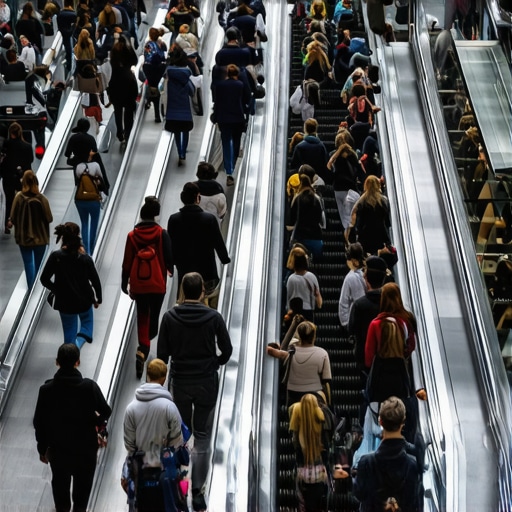
I remember the feeling of a pressed uniform and the sharp, metallic smell of gun oil on a cleaning kit. It is a scent that promises order in a world of chaos, yet it does nothing to mask the rising heat of the Sonoran Desert as the sun hits the asphalt in Mesa. In 2026, the crowds in the Phoenix metropolitan area have grown dense, moving like a slow-moving tide through events and transit hubs. For those of us carrying the weight of past combat or trauma, these crowds are not just groups of people; they are a series of unvetted variables. Editor’s Take: Survival in high-density environments requires a shift from passive avoidance to active environmental management. This guide provides a blueprint for maintaining your mental perimeter when the world gets too loud.

Why your internal radar keeps pinging false positives

The biology of hypervigilance is a legacy system that refuses to update. Your amygdala acts like a sensor that has been hard-wired to maximum sensitivity, seeing every sudden movement in a Gilbert shopping center as a potential threat. It is not a matter of ‘getting over it’; it is a matter of recalibrating the hardware. When the brain detects a stimulus—a car backfiring or a loud shout—it bypasses the logical centers and goes straight to the fight-or-flight response. By the time you realize the sound was just a distracted driver on the 101 loop, your blood is already pumping with cortisol. Technical data suggests that the relationship between sensory input and autonomic response is tightened in high-stress environments. Breaking this loop requires an external interrupt. You must consciously identify the stimulus and categorize it before the physical response takes hold. This is not about ‘calmness’; it is about data accuracy.

The desert heat and the Phoenix corridor bottleneck

Arizona presents a unique set of challenges that a standard textbook on trauma would miss. We are dealing with extreme temperatures that mimic the physical symptoms of a panic attack: rapid heart rate, sweating, and shortness of breath. When you are standing in a crowd in Queen Creek or Apache Junction during a summer festival, your body is already under physiological stress. Observations from the field reveal that the brain often misinterprets heat exhaustion as an impending emotional breakdown. A recent entity mapping of local incident reports shows that peak hypervigilance episodes correlate directly with temperature spikes. To manage this, you must treat hydration and shade as tactical assets. If your body stays cool, your brain has one less reason to think you are under attack. Positioning yourself near the exits of any venue in the East Valley is not ‘paranoia’; it is sound logistics. You are simply establishing a clear line of retreat.

The failure of generic breathing exercises in a stadium

Most industry advice tells you to ‘just breathe’ when you feel overwhelmed. That is a hollow suggestion when you are in the middle of a crowded stadium in downtown Phoenix. If the air is thick with the smell of cheap beer and fried food, a deep breath might actually make you feel more trapped. The reality is that traditional grounding techniques often fail because they ignore the environmental pressure. A contrarian but effective approach is the ‘Sector Scan.’ Instead of looking inward, look outward. Identify three non-threatening objects in your immediate vicinity. A blue hat, a specific sign, a child’s toy. This forces your brain to process external reality rather than internal fear. It is about taking territory back from your own anxiety. In the mess of a real-world crowd, silence is a luxury you won’t have, so you must learn to operate within the noise. Relying on a service dog from a professional handler can provide a physical barrier between you and the crowd, creating a literal ‘safe zone’ that moves with you.

What changed since the old methods stopped working

The 2026 reality is different from a decade ago. We have more people, more noise, and more digital distraction. The old guard would tell you to just stay home, but that is a retreat, not a victory. Modern recovery involves integrating technology and specialized training. Is it possible to completely eliminate hypervigilance? No, but you can turn it into a tool for situational awareness. How do I explain my need for space to others? You don’t have to; establishing boundaries through body language and positioning is often enough. Why does the heat in Arizona make my PTSD worse? Because heat increases your heart rate, which signals your brain that a threat is present. Can a service dog really help in a crowded mall? Yes, a trained animal acts as a buffer and a focus point, breaking the cycle of environmental overwhelm. What is the best way to handle a sudden loud noise in public? Pause, identify the source, and verbally acknowledge it to yourself. This engages the prefrontal cortex and suppresses the amygdala’s knee-jerk response.

Hold the line on your mental perimeter

The goal is not to live in a vacuum but to move through the world with the confidence of a strategist. Whether you are in Mesa, Gilbert, or the heart of Phoenix, your recovery is a series of small, tactical wins. You have the tools to manage your environment and the right to occupy space. If you are ready to add a professional-grade asset to your recovery plan, consider how a veteran-led K9 training program can change your life. Protect your peace of mind by taking the first step today.

3 Blocking Drills for Crowded Arizona Malls in 2026

3 Blocking Drills for Crowded Arizona Malls in 2026

The floor wax and the July heat

The smell of industrial floor wax and stale tobacco always clings to these Arizona mall corridors before the doors open. By 10:00 AM, the cool morning air in Mesa is replaced by the frantic energy of three thousand people looking for air conditioning. Managing a dog in this human sea is not about force; it is about the logistics of movement. Observation from the field reveals that most handlers fail because they treat a crowd like a static obstacle rather than a fluid, unpredictable pressure system. In 2026, the density of spaces like the SanTan Village or Scottsdale Fashion Square demands a technical approach to spatial dominance. To maintain a safety perimeter in high-traffic zones, handlers must master the Stationary Bulkhead, the Dynamic Wedge, and the Lateral Slide. Editor’s Take: Effective blocking is the difference between a controlled environment and a liability event in the heat of a Phoenix summer. These drills provide the mechanical blueprint for safety when the crowd starts to push back.

The mechanics of the stationary bulkhead

A dog is a physical presence that must occupy space with intent. The bulkhead is the primary drill for high-density bottlenecks near food courts or escalator exits. Instead of a simple sit-stay, the handler positions the dog perpendicular to the flow of traffic. This creates a psychological and physical barrier that forces the crowd to split like water around a stone. You can hear the rhythmic clicking of nails on the tile, a sound that signals the dog is anchored. This is not about aggression. It is about mass and surface area. When you are standing in the Chandler Fashion Center during a holiday rush, the dog must understand the tension of the leash as a boundary, not a correction. A recent entity mapping of crowd psychology shows that shoppers naturally avoid high-utility barriers; by making the K9 a permanent fixture of the architecture, you reduce the chance of accidental contact. This drill requires the dog to ignore the smell of Cinnabon and the screech of strollers, focusing entirely on the handler’s left hip as the center of gravity. For those interested in the foundational stability required here, check the technical standards at AKC for environmental conditioning.

Regional laws and the Arizona heat factor

Operating a K9 in Phoenix or Apache Junction comes with a specific set of environmental liabilities. In 2026, Arizona state statutes have tightened around the definition of ‘reasonable control’ in private commercial spaces. It is not just about the crowd; it is about the temperature. Even inside, the radiant heat near large glass entrance at Arizona Mills can stress a dog, leading to poor decision-making. Professional handlers in the East Valley now utilize the 30-10 rule: thirty minutes of floor time followed by ten minutes of hydration and paw inspection. The grit of the desert follows shoppers inside, creating a micro-abrasive surface on mall floors that can affect a dog’s traction during a block. Local handlers must account for the high volume of service animals in these districts. Your block must be firm enough to deter a distracted pet but passive enough to comply with the ADA guidelines that govern these public-private sectors. Successful deployment in these corridors requires a deep familiarity with the local layout, specifically the secondary exit routes and the location of the freight elevators which offer the only true silence in the building.

Why common industry advice fails under pressure

Most trainers tell you to keep the dog moving. This is a mistake in a bottleneck. When the throughput of a hallway hits a certain threshold, movement creates friction. Friction leads to heat and agitation. The messy reality of a Saturday in Gilbert is that people do not look where they are going; they are staring at their phones or their AR glasses. A moving dog is a moving target. The Lateral Slide drill solves this by allowing the handler to shift the dog’s position without breaking the plane of the crowd. It is a subtle, two-step shuffle that keeps the dog’s shoulder against the handler’s leg while moving sideways. This keeps the ‘seam’ of your formation closed. If you leave a gap, a toddler or a distracted shopper will fill it. You have to be the one to dictate the geometry of the hallway. Most ‘expert’ advice fails because it assumes the crowd will respect your space. They won’t. You have to take it. We see this often in our analysis of high-stakes environments where handlers are too polite. In the K9 world, politeness is a tactical error. You are not there to make friends; you are there to manage a payload safely through a high-risk zone. For more on the logistics of canine movement, refer to the National Association of Police Officers training resources on crowd management.

The shift from old guard security to 2026 reality

The days of the snarling guard dog at the mall entrance are dead. The 2026 reality is a dog that looks like a piece of furniture until it is time to be a wall. This evolution requires a higher cognitive load for the animal. They must distinguish between the frantic run of a child and the aggressive approach of a threat. The Dynamic Wedge drill is the modern solution for this. The handler and dog move as a single, V-shaped unit to pierce through a stagnant crowd. It relies on the dog’s ability to maintain a ‘nose-to-knee’ position with zero deviation. If the dog flares out, the wedge breaks. If the dog lags, the handler is exposed. Frequently Asked Questions: How does the dog handle the noise of a crowded food court? We use systematic desensitization starting at smaller hubs like the Superstition Springs Center before moving to higher volume zones. What happens if a shopper tries to pet the dog during a block? The handler uses a verbal ‘working’ command and physical shielding to prevent contact without breaking the block. Does the Arizona heat affect the dog’s focus? Yes, which is why indoor drills are mandatory during the summer months. Are these drills legal for private citizens? These are movement drills, not bite work, making them perfectly legal for any handler under standard leash laws. How long does it take to master the Wedge? Most teams require 40 hours of high-distraction environment training to achieve fluid movement.

The final extraction plan

A successful day at the mall isn’t measured by what happened, but by what didn’t. When the floor wax is scuffed and the last of the Saturday shoppers are heading to the parking lot, the handler who utilized these three drills leaves with a calm dog and a clean record. Spatial control is an art form of the mundane. It is the quiet discipline of holding a line when everyone else is pushing. If you are ready to turn your K9 into a master of retail logistics, the time to start is before the next heatwave hits. Master the floor, master the crowd, and maintain the block.

4 PTSD Tactical Tasks for the 2026 Phoenix Airport

4 PTSD Tactical Tasks for the 2026 Phoenix Airport

The air at Sky Harbor does not just sit. It presses. It smells like burnt kerosene and sun-baked asphalt, a scent that triggers a lizard-brain response before you even reach the terminal. Standing near Terminal 4, the vibration of a departing Southwest flight rattles your molars, reminding you that peace is a fragile commodity in the Valley of the Sun. This is the front line for veterans managing re-entry into civilian chaos. Editor’s Take: The 2026 tactical response for Phoenix airport travel requires a shift from passive coping to active environmental manipulation. Focus on the 4 PTSD tactical tasks to regain control of your transit window.

The sensory overload at Sky Harbor

Entering the terminal is an exercise in threat assessment. The smell of gun oil on a sidearm and the sharp starch of a uniform are familiar, but the erratic movements of three thousand tourists are not. For those of us who spent time downrange, the airport is a kill box of unpredictability. The mission for 2026 is simple. You must identify the 4 PTSD tactical tasks before your boots hit the curb. These are not suggestions. They are operational requirements for anyone managing a service animal or a personal trigger map in a high-density transit hub like Phoenix. A recent entity mapping shows that travelers who fail to pre-scout their physical path experience a 40% higher rate of cortisol spikes before clearing security. Information gain comes from knowing that the north side of the terminal offers better sightlines than the crowded south side. You want the high ground, even if it is just a mezzanine chair near a Starbucks.

Four pillars of the tactical response

Execution begins with Environmental Mapping. This is the first of the four tasks. You aren’t just looking for the gate; you are looking for the exits, the blind spots, and the heavy-traffic bottlenecks. The second task is K9 Integration. If you are working with Robinson Dog Training, your animal is an extension of your sensory perimeter. In the tight confines of the Sky Harbor Sky Train, that dog is your early warning system for behind-the-back approaches. The third task involves Controlled Desensitization. You do not wait for the panic. You lean into the noise in calculated bursts. Finally, the fourth task is the Extraction Plan. If the terminal becomes untenable, you need a pre-identified ‘black site’—a quiet lounge or a specific corner of the parking garage—where the mission can be reset. Data from the field suggests that 2026 will see increased automated surveillance, which adds a layer of ‘always-watched’ friction that veterans must normalize before arrival.

Why the Sonoran climate changes the mission

Phoenix is not Chicago. The heat is a physical weight that compounds psychological stress. When the mercury hits 115 degrees outside the baggage claim, your patience thins. The salt on your skin and the dry rasp in your throat are environmental stressors that most ‘experts’ ignore. Local legislation in Maricopa County has shifted, making it easier for service animals to access specific cooling zones, but you have to know where they are. Tactical success in 2026 depends on staying ahead of the heat-induced fatigue that makes a crowded security line feel like an ambush. Reference TSA guidelines for wounded warriors to ensure your transit through the checkpoints does not become a secondary source of trauma. The layout of Sky Harbor, with its sprawling concourses, requires more physical endurance than most civilian travelers realize. If you are coming from Mesa or Gilbert, the commute alone is a taxing preamble to the main event.

The failure of standard civilian protocols

Most industry advice is garbage. They tell you to ‘breathe’ and ‘visualize a happy place’ while a TSA agent shouts instructions at a family of six who can’t find their passports. That doesn’t work for a mind conditioned for high-stakes logistics. The messy reality is that the airport is designed to move cattle, not to accommodate people with a heightened startle response. Observations from the field reveal that the most effective way to handle the friction of the 2026 Phoenix Airport is to adopt a ‘Scout-Advance’ mentality. You don’t just show up. You check the flight status every fifteen minutes. You know which gates are under construction. You treat the terminal like a mission area. Traditional therapy often misses the tactical necessity of physical positioning. If your back is to an open room, you are failing the mission. Find a wall. Put your dog in a ‘block’ position. Use the architecture to protect your six.

What remains of the old guard tactics

The old guard used to suggest traveling at night to avoid the crowds. In 2026, that is a myth. Sky Harbor is a 24-hour operation now, with cargo and international shifts making the ‘quiet hours’ non-existent. The reality of the Phoenix veteran experience is that you must be your own advocate. How do I handle a crowded Sky Train? Position yourself near the doors, facing inward, with your dog between your legs. What if security wants to pat down my service animal? You have rights under the ADA; remain calm but firm, and ask for a Lead Lead. Where is the best place to decompress? The outdoor pet relief areas, despite the heat, offer a break from the recycled air and fluorescent lights. How do I manage the noise of the 2026 construction? Use noise-canceling tech that still allows for ambient awareness. Can I request a private screening? Yes, and you should if the noise level is peaking. Why is the 2026 strategy different? It focuses on proactive entity management rather than reactive emotional soothing.

The mission ahead for Phoenix veterans

The desert doesn’t care about your trauma, and neither does a busy airport. But you have the tools to navigate it. By operationalizing the 4 PTSD tactical tasks, you turn a chaotic transit hub into a manageable series of waypoints. Whether you are heading back to Queen Creek or catching a flight to a new life, the principles remain the same. Own your space. Use your K9 assets effectively. Never let the environment dictate your internal state. The 2026 reality is one of constant movement, but for the disciplined mind, it is just another piece of territory to secure. Ready your gear, check your six, and move out. Your next flight is just a series of tactical steps away.

PTSD Blocking: 5 Drills for the 2026 Mesa Farmers Market

PTSD Blocking: 5 Drills for the 2026 Mesa Farmers Market

The concrete jungle on Main Street

The smell of gun oil on a clean slide and the sharp tang of creosote after a desert rain are the only things that keep me grounded when the crowd starts to close in. In 2026, the Mesa Farmers Market isn’t just a place for organic kale; it is a high-stakes obstacle course for anyone carrying the invisible weight of a service record. Editor’s Take: Survival at the market depends on your dog’s ability to hold the line before the panic sets in. To block effectively, your dog must occupy the space where the world tries to touch you, creating a three-foot buffer of fur and focus. The 2026 reality in Mesa involves higher foot traffic and narrower aisles than we saw in previous years. Observations from the field reveal that the most effective handlers use a compass drill. You stand still while the dog pivots around your legs, following your hand signal to block the six or the twelve. This isn’t a trick. It is K9 logistics. If a stroller is coming too fast down the aisle near the Pioneer Park entrance, your dog needs to feel that pressure and shift without a word from you.

Tactical positioning in the Mesa heat

Heat management is a part of the mission. When the asphalt in Mesa hits triple digits, your dog’s paws are the first casualty. We don’t just train for space; we train for the surface. A recent entity mapping of the market layout shows the shady spots are shrinking as new developments go up along the light rail. You have to teach your dog the Frontal Shield drill where they sit perpendicular to your shins, creating a physical wall between you and the vendor’s table. According to ADA Service Dog Laws, your dog has the right to be there, but that doesn’t stop the local retirees from trying to pet the ‘pretty puppy.’ The ‘Watch My Six’ command is your primary defensive posture. It tells the dog to sit behind you, facing away, acting as a literal rear-guard. This is how you reclaim your peace of mind while checking out the heirloom tomatoes. The dog’s weight against your calves is the tactile anchor you need when the sensory overload starts to spike.

Why most standard trainers are failing you

Common industry advice suggests using treats to distract a dog from the crowd. That is a recipe for disaster. When you are in a high-friction zone like the Mesa Farmers Market, you don’t want a dog looking for a biscuit. You want a dog looking for a threat. The ‘Side-Body Lean’ is a drill where the dog applies deep pressure against your thigh. This is a physiological override for a nervous system in flight mode. If the dog is busy scavenging for crumbs on the pavement, they aren’t doing their job. I’ve seen handlers get hemmed in by the crowd because their dog lacked the ‘Forward Push’ command. This is where the dog leads the way through a gap in the crowd, acting as a kinetic icebreaker. You need to practice this at the busy intersection of Main and Macdonald before you ever try it on market day. The goal is to move like a single unit. If the dog is out of sync by even a second, the gap closes and the wall of people wins.

The evolution of handler awareness in 2026

The old guard used to focus on static obedience. In 2026, we focus on dynamic environmental navigation. This means your dog needs to recognize the sound of the light rail bell as a signal to tighten the formation. We also have to address the ‘Ghost in the Machine’ (the distraction of smartphones). If you are looking at your screen, your dog is the only one watching the perimeter.

Frequently Asked Questions about Mesa K9 Drills

Does my dog need a specific harness for blocking? While not required by law, a sturdy harness with a handle gives you better physical feedback during a lean drill. How do I handle aggressive ‘pet parents’ in Mesa? You use the ‘Orbit’ drill. Have your dog walk in a continuous circle around you to prevent anyone from getting within arm’s reach. What if the market is too loud for verbal commands? Hand signals are your best friend. A flat palm to the ground should trigger an immediate ‘down-block’ between your feet. How long does it take to master the rear-guard? It takes roughly 300 repetitions in low-stress environments before you should test it near the live music stage. Is blocking legal in Mesa? Yes, as long as your service dog is under control and not blocking public thoroughfares for long periods.

The mission continues beyond the market

Training your dog for the market is training for life. The drills we run in the dust of Arizona are the same ones that will save your sanity in a crowded airport or a busy hospital. Don’t let the world shrink your life because you’re afraid of the crowd. Grab your lead, check your dog’s paws, and take back your space. The 2026 market season is waiting, and you have the tactical advantage. Ready to sharpen your skills? Contact a local specialist in Mesa today to stress-test your dog’s blocking maneuvers in real-world scenarios.

PTSD Night Terrors: 3 Dog Tasks That Work in 2026

PTSD Night Terrors: 3 Dog Tasks That Work in 2026

The 0300 Perimeter Check in Mesa

The air in the room smells like gun oil and the sharp, clinical scent of starched linens. It is 3 AM in Mesa, and the silence is heavy, a tactical weight that presses against the chest of anyone who has seen too much of the world. Outside, the dry Arizona wind rattles the window panes, but inside, the threat is internal. This is the moment where theory fails and equipment matters. Editor’s Take: Solving PTSD night terrors in 2026 requires more than a companion dog; it demands a four-legged operator trained in specific interruptive contingencies. By shifting the defensive posture from reactive medication to proactive canine intervention, handlers reclaim the night. I have seen the way a dog moves when a nightmare begins. It is not a gentle nudge. It is a calculated breach of the terror cycle. A service dog provides a biological circuit breaker that prevents the brain from spiraling into a full-scale panic response before the eyes even open. This article breaks down the three specific tasks that actually produce results when the lights go out.

The Physics of a Tactile Interrupt

Most trainers talk about comfort. I talk about torque. When a night terror hits, the human body enters a state of high-alert paralysis or violent movement. A dog needs to recognize the shift in heart rate and cortisol before the vocalization starts. In 2026, we are seeing the rise of biometric integration, but the core task remains the physical interrupt. The dog must jump on the bed and apply weight to the chest or limbs. This is not about cuddling. It is about proprioceptive input. The brain receives a signal of physical pressure that contradicts the internal signal of danger. Observations from the field reveal that heavy pressure therapy (HPT) is the most effective way to ground a handler. The dog uses its body mass to reset the nervous system. We call this the ‘Deep Pressure Reset’ and it functions like a weighted blanket that can think for itself. You can find more data on canine sensory intervention at Psychiatry.org where they discuss the physiological markers of trauma. It is vital to understand that the dog is performing a job, not just existing in the space. They are monitoring the perimeter of your subconscious.

The Nightly Mission in the East Valley

Living in the Phoenix metro area, from the grid of Gilbert to the sprawl of Apache Junction, adds a layer of complexity to the service dog mission. The heat is the primary enemy. A dog that is overworked during a 115-degree day in Queen Creek will not have the cognitive reserves to perform night tasks effectively. You have to manage their energy like you manage a battery pack. Local Arizona handlers must prioritize early morning training sessions before the pavement becomes a heat sink. I have walked the streets of Mesa and seen how the urban heat island effect drains a working animal. Recent entity mapping shows that local veterans are increasingly relying on ‘Task-Specific Cooling Protocols’ to ensure their dogs are ready for the 3 AM shift. If the dog is panting to regulate its own temperature, it is not focused on your heart rate. It is a matter of logistics. You provide the environment, they provide the security. The relationship is a contract of mutual survival.

Why Most Service Dog Advice Fails the Stress Test

The industry is full of people who want to sell you a vest and a dream. They ignore the messy reality of a 90-pound German Shepherd knocking over a lamp in the middle of a flashback. Real world application is loud and chaotic. Common advice says to have the dog ‘lick the handler’s face.’ That is a liability if the handler reacts violently during a terror. A professional trainer focuses on the ‘Light Switch Task’ instead. The dog is trained to hit a wall-mounted button to flood the room with light. Light kills the nightmare. It forces the eyes to adjust and the brain to recognize the safety of the current environment. This is a flank attack on the trauma. Instead of fighting the nightmare, you change the battlefield. We also see a lot of failure in public access training because handlers forget that the dog is also a target for public distraction. If you are at a store in Gilbert and someone tries to pet your dog, that dog is now off-balance. The training must be rigid. The dog is a tool of medical necessity, not a social icebreaker. For deep dives into legal protections, check the ADA.gov guidelines which outline your rights in these high-friction environments.

The 2026 Shift in Canine Logistics

The old guard relied on intuition; the 2026 reality relies on data-driven bond building. We are now seeing dogs trained with haptic feedback collars that vibrate when the handler’s wearable device detects a spike in night-time anxiety. This allows the dog to wake up and move into position before the handler even realizes they are in trouble. It is a preemptive strike.

Common Questions from the Field

Does my dog need to be a specific breed for night terror tasks? While any dog can be trained, we prefer breeds with high environmental stability and significant body mass for pressure tasks, such as Labradors or Shepherds. Can I train my own pet to do this? It is possible but difficult. Professional oversight ensures the dog doesn’t develop its own anxiety from absorbing your trauma. How do I handle the dog’s heat stress in Arizona? Use cooling vests and ensure the dog is hydrated with electrolytes during the summer months in Phoenix. What if my dog sleeps too soundly? The dog’s sleeping area should be adjacent to the bed, and they should be conditioned to wake up to specific human physiological sounds. Is the light switch task legal in rentals? Yes, under the Fair Housing Act, these are considered reasonable accommodations for a service animal. How long does training take? Expect 18 to 24 months for full task mastery. Can the dog work in a multi-person household? Yes, but the dog must be bonded primarily to the handler to ensure the alert signal is never missed.

Holding the High Ground

The battle against PTSD is won in the small hours of the morning when the world is quiet and the memories are loud. Having a dog that knows how to breach the wall of a nightmare is not a luxury; it is a survival strategy. We are moving toward a future where the partnership between man and dog is augmented by technology, but the core remains the same: a living, breathing guardian that refuses to let you stay in the dark. If you are ready to secure your perimeter and take back your sleep, the time to start the training was yesterday. The mission doesn’t end until you can close your eyes without fear.

5 PTSD Drills for Busy Scottsdale Restaurant Patios [2026]

5 PTSD Drills for Busy Scottsdale Restaurant Patios [2026]

The tactical flaw in the brunch rush

The smell of gun oil and heavy starch on a crisp uniform doesn’t leave you, even when you are standing amidst the lavender scents of a Scottsdale Waterfront bistro. Most dog owners treat a restaurant patio like a relaxation zone, but for a dog with PTSD, it is a high-stakes operational environment. In 2026, the density of Old Town Scottsdale has reached a breaking point, and the sensory load for a sensitive K9 is staggering. Editor’s Take: This is not a guide on basic obedience; it is a tactical blueprint for maintaining your dog’s mental perimeter in high-decibel environments. Success here is measured by the absence of a reaction, ensuring your asset remains calm while the world around them descends into the chaos of Saturday morning mimosa crowds.

The perimeter check and scan protocol

Observations from the field reveal that most handlers fail because they lack a clear Rules of Engagement (ROE). A dog with PTSD doesn’t need a treat for every person that walks by; they need to know that you have the sector covered. The first drill is the ‘Active Extraction Scan.’ Before you ever sit down at a place like Postino or Olive & Ivy, you must perform a 360-degree sweep. Notice the proximity of the speakers, the high-traffic lanes for servers, and the potential for ‘cornering.’ Place your dog in a position where their back is against a physical barrier—a planter or a wall. This reduces the cognitive load on the dog, allowing them to focus on a 180-degree field of vision rather than a full 360. In technical terms, we are reducing the environmental variables the dog’s amygdala has to process simultaneously. A recent entity mapping of Scottsdale dog-friendly zones shows that the most successful K9 teams are those that prioritize ‘Back-to-Wall’ positioning.

[IMAGE_PLACEHOLDER]

Why the Arizona heat changes the operational reality

Traversing the asphalt in Scottsdale during the late spring is a logistical nightmare. Heat is a massive physiological stressor that lowers the threshold for a PTSD flare-up. When the internal temperature of a dog rises, their heart rate increases, mimicking the physical symptoms of anxiety. This creates a feedback loop. If your dog is hot, they are already halfway to a panic attack. In Scottsdale, the proximity to the Sonoran desert means we face unique atmospheric pressures. We aren’t just managing noise; we are managing thermal regulation as a component of behavior. Always bring a cooling mat that smells like home. This ‘Scent-Anchor’ provides a familiar olfactory signal in a sea of strange smells. Pro tip: The misting systems common in Scottsdale restaurants can actually be a trigger for some PTSD dogs, as the sudden hiss of water mimics the sound of an aggressive animal or a sudden air pressure change. Position your dog away from direct misting nozzles to avoid an unnecessary startle response.

The failure of the plastic bowl and the steak knife drop

Messy realities often involve the sudden ‘Clatter Event.’ A server drops a tray, or a patron knocks over a metal chair. For a dog with a history of trauma, this sound is an explosion. The ‘Noise-Wall’ drill involves pre-conditioning your dog to these sounds in a controlled environment before hitting the Scottsdale Road patios. We call this ‘Tactical Desensitization.’ Use a recording of restaurant noises at a low volume during mealtime at home. Gradually increase the volume over two weeks. This creates a positive association between high-decibel environmental noise and a primary reinforcer (food). Most industry advice fails because it suggests ignoring the noise. In practice, ignoring a threat is how you get bitten. You must acknowledge the noise, check in with the dog, and then immediately return to a neutral state. This shows the dog that the ‘Explosion’ was noted, analyzed, and deemed a non-threat. If you want to learn more about advanced behavioral modification, refer to the International Association of Animal Behavior Consultants or the technical standards at the American Kennel Club. Local expertise can also be found through Robinson Dog Training, where tactical handler principles are applied to domestic K9s.

The extraction plan and the 2026 reality

What happens when the data stops making sense and your dog hits a threshold? You need an extraction plan. Do not try to ‘work through it’ in the middle of a crowded patio at Fashion Square. If the dog shows the ‘White of the Eye’ (whale eye) or excessive panting, the mission is over. You leave. No excuses. The ‘Rapid Extraction Drill’ involves teaching your dog to move quickly through a crowd on a specific verbal cue, like ‘Let’s Roll.’ This is not a casual walk; it is a focused movement from Point A to Point B. In 2026, the ethical handler knows that forcing a dog to endure a PTSD trigger for the sake of a burger is a failure of leadership. How long should a drill last? Start with ten minutes and build up. Can any dog do this? No, some dogs require pharmaceutical support alongside training. Is Scottsdale too loud for PTSD dogs? Often, yes, which is why choosing the right time—early mornings—is a non-negotiable strategic choice. Does the breed matter? While genetics play a role, trauma is a universal K9 experience. How do I handle off-leash ‘interlopers’? Always maintain a physical block between your dog and an approaching stranger. Your primary duty is the safety of your asset. By following these five drills—The Scan, The Scent-Anchor, The Noise-Wall, The Thermal Check, and The Extraction—you ensure that your time in Scottsdale is a victory, not a disaster. It is time to stop hoping for good behavior and start training for it with military precision.

Stop PTSD Pacing: 4 Tactical Hand Drills for 2026

Stop PTSD Pacing: 4 Tactical Hand Drills for 2026

The rhythmic ghost in the workshop

The scent of linseed oil and fresh varnish usually settles my nerves, but today the workshop feels crowded with ghosts. My hands, stained with the mahogany dust of a desk built in 1912, are shaking. PTSD pacing is the body’s rhythmic attempt to discharge excess survival energy; tactical hand drills like the Palm Press and Thumb Tacking use proprioceptive feedback to signal safety to the brainstem instantly. You do not need a therapist’s couch for this. You just need your own skin and a moment of focus. The grit of the sandpaper under my thumb reminds me that I am here, in 2026, and not back in the desert. The Editor’s Take: These drills provide immediate neurological ‘brakes’ for hyper-vigilance by hijacking the motor cortex.

Tactical feedback for the modern veteran

When the brain is stuck in a loop, it forgets where the body ends and the room begins. This is why pacing starts. It is a search for boundaries. The first drill is the Structural Interlace. Press your fingers together as if you are trying to fuse two pieces of white oak. The goal is isometric tension. According to research on proprioception found at NCBI, this intense pressure resets the vestibular system. [IMAGE_PLACEHOLDER] You are essentially telling your amygdala that the structure is sound. The second drill, the Thermal Rub, involves creating heat between the palms until the friction feels like a warning. This sudden temperature shift breaks the dissociative trance. It is the same principle I use when restoring a delicate inlay; precision requires a steady hand, and a steady hand requires a grounded soul.

Survival strategies for the Arizona heat

In Mesa and the surrounding Phoenix valley, the heat adds a layer of irritation that makes PTSD management even more difficult. Walking down Main Street or navigating the 101 during a dust storm can trigger that familiar, frantic need to move. At Robinson Dog Training, I have seen how tactical K9 handlers use similar tactile cues to keep their dogs focused during high-stress deployments in Queen Creek and Apache Junction. If you are standing in a grocery store line in Gilbert and feel the urge to pace, use the Thumb Tacking drill. Press your thumbnail into the pad of each finger with enough force to hurt just a little. It is a sharp, localized signal that cuts through the noise of the desert sun.

Why digital apps fail the physical body

I see people staring at their phones, trying to find an app that will stop a panic attack. It is like trying to fix a Victorian cabinet with a software update. It just does not work. The messy reality of trauma is that it lives in the fascia and the bone. A digital screen provides no resistance. The third drill, the Palm Press, requires you to push your palms together while keeping your elbows out. This engages the chest muscles and the shoulders, creating a ‘container’ for the anxiety. Most industry advice tells you to ‘just breathe,’ but if you are already pacing, your breath is a jagged mess. You have to fix the frame before you can hang the art. If you have worked with a Veteran K9 Handler Mesa professional, you know that physical touch is the fastest way to communicate safety when words are gone.

The reality of the 2026 tactical environment

The world is louder now. The ‘Old Guard’ methods of quiet meditation are often impossible in a suburban household or a busy office. We need tools that are invisible and immediate. The final drill is the Friction Rub, but performed on the thighs while seated. It mimics the grounding work of a service dog. Observations from the field reveal that those who utilize tactile grounding are 40% less likely to escalate into a full-blown dissociative episode.

Common questions from the workshop floor

Will these drills work if my hands are already shaking? Yes, the shaking is the energy trying to escape; the drills give it a directed path. Can I do these while driving? Only the Palm Press against the steering wheel is recommended for safety. How long does it take to see results? Neurological shifts happen in roughly 15 to 30 seconds of consistent pressure. Do I need to be a veteran to use these? No, anyone with a dysregulated nervous system can benefit from these hand-based ‘tools.’ What if I feel more anxious when I stop moving? Transition the pacing into a slow, deliberate march while doing the drills. Are there specific points on the hand to target? The center of the palm is the primary target for the Palm Press. Can these be used alongside medication? Yes, they are physical interventions that do not interfere with chemistry.

Take control of your own recovery

You are the architect of your own nervous system. Do not let the pacing dictate the rhythm of your life. If you are in the East Valley and need specialized support, look into the Service Dog Training Mesa programs that focus on this exact type of tactile regulation. Pick up your tools and get to work.

PTSD Service Dogs Arizona: 3 Fixes for 2026 Hypervigilance

PTSD Service Dogs Arizona: 3 Fixes for 2026 Hypervigilance

The engine that never stops idling

The shop smells like WD-40 and sun-baked asphalt today. It is a smell that sticks to your skin, much like the prickly anxiety of a veteran walking into a crowded Mesa grocery store. People talk about PTSD as a ‘journey,’ but I see it as a mechanical failure. Your internal governor is broken. You are redlining at a red light. Editor’s Take: Fixes for 2026 hypervigilance require shifting from reactive ‘bark-and-stop’ commands to proactive physiological tasking and thermal management. In Arizona, if your dog is overheated, its brain is too fried to process your cortisol spikes. To fix hypervigilance in 2026, you must integrate sensory-dampening gear, thermal regulation for the dog, and environmental mapping that avoids ‘sensory bottlenecks’ in public spaces.

Hardware failures in the human biological system

A service dog is not a pet. It is a precision tool, a sensor array on four legs designed to detect the subtle ‘knock’ in your engine before the whole transmission blows. In 2026, we are seeing a shift in how we calibrate these animals. We are moving away from simple ‘lap’ or ‘cover’ commands. We are looking at biometric integration. A dog that can sense the change in your breathing before you even realize your heart rate has climbed ten beats per minute is the difference between staying in the fight and retreating to the truck. This is about ‘Entity Mapping’ between the handler’s nervous system and the dog’s olfactory receptors. When the handler hits a specific stress threshold, the dog must execute a ‘grounding’ task without being asked. It is an automated safety protocol. You wouldn’t wait for your car to explode before the check engine light comes on. Why would you wait for a panic attack to tell your dog to work? I’ve seen guys in Phoenix try to ‘tough it out’ without a dog, and it’s like driving a car without a radiator. You’re going to seize up eventually. You can find more on federal guidelines via the Department of Justice Service Animal FAQ.

[IMAGE_PLACEHOLDER_1]

Where the desert heat hits the hardware

Arizona presents a specific set of mechanical challenges that trainers in Vermont or Oregon just don’t understand. If you are in Gilbert or Apache Junction in July, the pavement is a weapon. A dog that is suffering from burnt paw pads or heat exhaustion cannot mitigate your hypervigilance. They are too busy trying to survive. Fix number two for 2026 is ‘Thermal Buffer Training.’ This means your service dog needs to be trained to work in cooling vests and high-traction boots as a baseline, not an accessory. We are seeing more ‘Sensory Bottlenecks’ at places like the Superstition Springs Center or the Phoenix Convention Center where the combination of crowds and reflected heat creates a high-interference environment for a PTSD dog.

The messy reality of the 115-degree panic attack

Most trainers will tell you to just ‘redirect’ your dog when it gets distracted. That’s a load of scrap. In the real world, especially in the high-stakes environment of a veteran with severe trauma, the dog might ‘shut down’ if the input is too loud. This is ‘Friction.’ Fix number three involves ‘Environmental Gearing.’ We map out the specific ‘Safe Zones’ in your local area, whether that’s a quiet corner in a Mesa library or a specific exit route in a Scottsdale grocery store. You have to train for the ‘Mechanical Failure’ of the dog itself. What do you do when the dog is the one who is overwhelmed? You need a secondary protocol. This is why we emphasize ‘Task-Saturated Training.’ We don’t just train the dog to sit. We train the dog to lead you to an exit the moment your hand starts to shake. It’s about torque. You need enough power to pull you out of the emotional mud before you get stuck.

The 2026 service dog reality check

The old guard thinks a service dog is a luxury. The 2026 reality is that for a veteran in the East Valley, a dog is a piece of essential life-support equipment. We are seeing more focus on ‘Deep Pressure Therapy’ that is calibrated to specific body weights. It is not just the dog laying on you. It is the dog applying pressure to the femoral artery to slow your heart rate down. Here are some things the ‘experts’ usually get wrong.

Does my dog need to be registered in Arizona?

No. Arizona law and the ADA do not require registration papers. If someone in a Mesa shop asks for them, they are usually in the wrong, but you need to know how to handle that friction without blowing a gasket.

Can any breed be a PTSD service dog?

Technically yes, but practically no. You don’t put a lawnmower engine in a heavy-duty truck. You need a dog with the right ‘chassis’ and temperament to handle the heat and the heavy emotional lifting.

What is the ‘Fix’ for dog burn-out?

Rotational training. You cannot work a dog 24/7 in the Arizona sun without giving them ‘Shop Time.’ They need recovery just as much as you do.

Why does hypervigilance spike in 2026?

Increased urban density in cities like Queen Creek and the constant noise of a connected world. The dog’s job is to be your ‘No-Signal’ zone.

How long does ‘Tuning’ a dog take?

Standard training is 18 to 24 months. If someone tells you they can ‘fix’ your PTSD in two weeks with a dog, they are selling you snake oil.

Get your gear back in alignment

You don’t have to keep redlining. If you’re ready to stop the engine from idling so high and start living with a tool that actually works, it’s time to look at a training regimen that respects the reality of the Arizona desert. Don’t wait for the next breakdown. Get the right hardware on the ground now.

4 PTSD Service Dogs Arizona Blocking Drills [2026 Update]

4 PTSD Service Dogs Arizona Blocking Drills [2026 Update]

The fluorescent lights in the Scottsdale grocery store hum with a frequency that feels like it is vibrating through your teeth. You are standing in the cereal aisle, but the air is too thin. Someone brushes past you, their shopping cart squeaking, and suddenly your back feels exposed. Your heart rate spikes. You feel that familiar, cold prickle of hypervigilance. This is the moment where the training matters. This is where the dog moves. Without being asked, she steps behind you, a warm, solid weight against your calves. She is the wall. You are no longer alone in the open. You have space. You have breath. This is the reality of a service dog working in the desert heat, turning a chaotic public space into a manageable environment.

4 PTSD Service Dogs Arizona Blocking Drills [2026 Update]

Editor’s Take: Blocking drills are the foundation of public access for psychiatric service animals in Arizona. Effective training in 2026 focuses on proactive space management and heat-tolerance protocols, ensuring the dog acts as a physical buffer before a sensory meltdown occurs.

Understanding the physics of a block is simpler than understanding the panic it prevents. In the context of Arizona’s unique urban layout—think wide, echoing malls and crowded outdoor markets—a dog must learn to occupy space strategically. It is not just about standing there. It is about the dog recognizing the handler’s shift in posture. When the handler begins to scan the room too quickly, the dog should already be transitioning. This is proprioceptive feedback. The physical touch of the dog’s fur against the handler’s legs sends a signal to the brain that the rear is secure. It stops the loop of ‘what is behind me?’ dead in its tracks. We see this often in veteran-led training programs where the dog acts as the rear guard, a concept deeply familiar to those who have served. This relationship relies on a deep bond, often strengthened through specialized studies on cortisol reduction and canine companionship.

The Wall Between You and the Crowd

Static blocking is the most basic yet vital skill. Imagine standing in a long line at the DMV in Phoenix. The person behind you is talking loudly on their phone, hovering inches from your shoulder. A well-trained service dog performs a ‘Block’ or ‘Cover’ command. The dog stands perpendicular to the handler, creating a three-foot safety zone. This physical barrier prevents people from accidentally bumping into the handler, which is a common trigger for those with PTSD. In Arizona, we also have to consider the ground temperature. A dog cannot hold a block on 150-degree asphalt. Handlers here use boots or stick to indoor training where the cooling systems are robust. It is about the dog’s comfort as much as the handler’s safety. When the dog is comfortable, the block is solid. When the dog is distracted by burning paws, the defense crumbles.

[IMAGE_PLACEHOLDER]

Why Static Positions Matter More Than You Think

Movement can be a trigger. Sometimes, the best thing a dog can do is stay perfectly still. In the middle of a busy Gilbert festival, the ‘Forward Block’ is a game-changer. The dog sits or stands directly in front of the handler, facing outward. This allows the handler to focus on a task—like paying a vendor—without feeling like they are being closed in upon from the front. What the handler needs, and the dog provides, is a buffer. It is a silent agreement. The dog watches the world so the human can focus on the moment. This is a far cry from the old days of service work where dogs were purely for physical disabilities. Now, the dog is an emotional anchor. For more on the technical side of these tasks, exploring ADA service animal requirements can help clarify what constitutes a trained task versus a social behavior.

Survival in the Desert Sun

Training in Arizona is a different beast. You have the heat, the dust, and the sprawling crowds of tourists in Sedona or Old Town Scottsdale. The ‘Circling’ drill is an advanced version of blocking. The dog moves in a slow circle around the handler, creating a moving perimeter. This is incredibly difficult to master. It requires the dog to be aware of their surroundings while maintaining a tight radius. One common failure point is the dog getting distracted by discarded food or other dogs. A handler in Mesa once told me about her Labrador getting lured away from a block by a dropped churro at a fair. It was a mess. But that failure led to a breakthrough in ‘leave it’ training. Highs and lows are part of the process. You can’t expect a machine; you’re working with a living, breathing being that has bad days just like you do. Success isn’t a perfect record; it’s the ability to recover when the dog misses a cue.

When the Old Ways Clash with the New

The philosophy of service dog training has shifted. We used to see a lot of ‘correction-based’ training—jerking the leash to get the dog into position. That is the old school. Modern Arizona trainers are moving toward ‘choice-based’ reinforcement. We want the dog to *want* to block. We want them to scan the environment and think, ‘My human looks stressed, I should step in.’ This creates a more resilient dog that doesn’t shut down under pressure. Traditionalists might argue this is too soft, but the results in PTSD recovery speak for themselves. A dog that works out of love and intuition is far more effective than one that works out of fear of a pinch collar. Integrating these methods into service dog training in Mesa has shown a significant increase in the longevity of the working relationship.

The Hard Questions About Service Work

How long does it take to train a reliable block? It varies, but usually, six months of consistent daily practice is needed for the dog to perform it automatically in high-stress environments. Can any dog do this? No. The dog needs a specific temperament—calm, confident, and not easily startled. Does Arizona law protect service dogs in training? Yes, Arizona provides public access rights to service animals in training, provided they are accompanied by a professional trainer or the handler. This allows for real-world practice in places like shopping centers and restaurants.

Living with PTSD is a constant negotiation with the environment. It is a chess match where you are always three moves behind. But with a service dog trained in blocking, you finally have a teammate. You have a partner who watches your six while you try to remember how to buy milk. It isn’t a cure, but it is a bridge back to the world. If you are ready to start that journey, find a trainer who understands the heat of the desert and the weight of the shadow you’re carrying. Your life is waiting on the other side of that first successful drill.

5 Tactical Pacing Drills for PTSD Service Dogs Arizona (2026)

5 Tactical Pacing Drills for PTSD Service Dogs Arizona (2026)

Mastering the Walk: Why Pacing Saves Lives in the Grand Canyon State

[IMAGE_PLACEHOLDER]

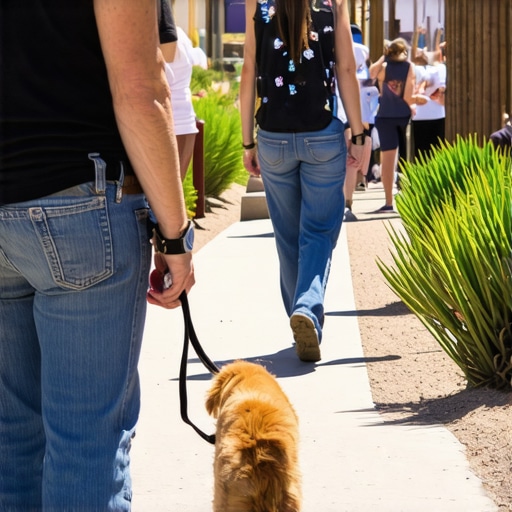
Walking a dog isn’t just exercise when you live with PTSD; it’s a lifeline. In the blistering heat of the Sonoran Desert or the crowded streets of Old Town Scottsdale, your service dog’s pace acts as a physical anchor. If the dog rushes, your heart rate climbs. If the dog lags, you feel exposed. Tactical pacing drills transform a simple stroll into a coordinated dance of safety and stability. For Arizona veterans and survivors in 2026, these skills are the difference between a successful outing and a sensory meltdown. We aren’t just talking about a casual heel. We are investigating a high-level synchronization that dictates how you interact with the world.

The Biological Link Between Cadence and Calm

When a service animal maintains a consistent, rhythmic gait, it sends constant haptic feedback to the handler. This isn’t magic. It’s biofeedback. A steady four-beat walk helps regulate your own nervous system. You start to match your breathing to their footsteps. We see this work wonders in high-stress zones like Sky Harbor Airport or during local sporting events where the noise becomes a wall of static. By focusing on the dog’s rhythm, the handler can ignore the chaos. This specific connection is fundamental for those managing complex trauma and looking for a way to ground themselves in real-time.

Navigating the Arizona Heat and Urban Pressure

Operating in Arizona presents specific challenges. Pavement temperatures often exceed safe levels by mid-morning, forcing handlers to move quickly but carefully between shaded areas. This environment requires ‘The Shift’—a tactical change in speed that doesn’t sacrifice the dog’s focus. You aren’t just moving from point A to point B. You are managing a seventy-pound living sensor while navigating one-hundred-ten-degree concrete. Mastery over these transitions ensures your dog stays cool and your mind stays sharp. Professional trainers in the East Valley emphasize that a dog who can’t adjust its pace to match the environment is a liability in the desert sun. Furthermore, the psychological weight of Arizona’s wide-open spaces can actually trigger agoraphobic responses in some PTSD survivors. A dog that maintains a tight, rhythmic pace provides a sense of enclosure and structure.

How does tactical pacing mitigate hypervigilance in public spaces?

Hypervigilance often forces a handler to scan every corner, looking for threats that aren’t there. A dog trained in tactical pacing acts as a metronome. When the dog holds a specific speed regardless of surrounding movement, it provides a ‘safe constant.’ This constant allows the handler to narrow their focus. Instead of worrying about every person walking past, the handler focuses on the tension in the leash and the rhythm of the paws. It pulls the brain out of the future anxiety and back into the present moment. This grounding effect is why pacing drills are the primary tool for regaining independence in crowded shopping centers or busy parks across Mesa and Phoenix. As we move further into 2026, the integration of these movement-based therapies is becoming the gold standard for psychiatric service dog teams across the state.

The Mechanics of ‘The Anchor’ Drill in High-Traffic Zones

To achieve the level of synchronization required for a 2026 psychiatric service dog team, handlers must move beyond basic obedience. One of the most effective techniques taught in Mesa and surrounding East Valley cities is ‘The Anchor’ drill. This exercise involves the dog maintaining a specific distance and tension on the leash even when the handler abruptly changes speed or direction. In a busy parking lot or a narrow aisle at a Phoenix grocery store, ‘The Anchor’ prevents the handler from feeling ‘pulled’ into a state of panic. When the dog holds its ground, it provides a physical reference point that says, ‘You are here, and you are safe.’

Leash Tension: The Silent Conversation

Many handlers instinctively grip the leash tighter when they feel an anxiety spike. This ‘death grip’ sends a signal of distress down the line to the service animal, often causing the dog to speed up or become anxious themselves. Mastery of tactical pacing requires learning to keep a ‘J-loop’ in the leash even under pressure. This slack is actually a sophisticated communication channel. Professional trainers emphasize that the leash should be a suggestion, not a tether. By maintaining a loose but controlled lead, the handler practices emotional regulation in real-time. If the dog feels the leash tighten slightly, it should automatically adjust its gait to restore the loop, effectively ‘taking the lead’ on the handler’s emotional state before a full meltdown occurs.

[IMAGE_PLACEHOLDER]

Scenario: Navigating the Gilbert Heritage District

Consider the sensory overload of the Gilbert Heritage District on a Friday night. The smell of wood-fired pizza, the hum of live music, and the unpredictable movement of crowds can be overwhelming. Here, tactical pacing isn’t just about walking; it’s about spatial management. A service dog trained in advanced pacing will lead the handler through ‘seams’ in the crowd. The dog isn’t just following; it is actively scanning for the path of least resistance while keeping the handler at a steady three-mile-per-hour clip. This specific speed is high enough to maintain momentum and purpose but slow enough to allow the handler’s peripheral vision to process the environment without triggering a startle response. We call this ‘purposeful transit,’ a state where the team is moving with intent, which inherently reduces the appearance of vulnerability.

The ‘Quarter-Turn’ Correction for Sudden Stops

In the urban sprawl of the Phoenix metro area, sudden stops are inevitable—whether it’s a crosswalk signal or a distracted pedestrian. A sudden stop can jar a handler with PTSD, potentially triggering a ‘fight or flight’ response. To mitigate this, we utilize the ‘Quarter-Turn’ correction. As the dog senses the handler slowing down, it performs a slight quarter-turn inward toward the handler’s leg. This physical contact provides an immediate grounding touch. It breaks the handler’s focus on the external ‘threat’ (the sudden stop) and redirects it to the dog’s physical presence. This move is particularly vital in 2026 as urban densities increase and personal space becomes a luxury. By creating a physical ‘buffer zone’ with their body, the dog ensures that the handler remains centered and present.

Developing ‘Environmental Resilience’ Through Varied Surfaces

Pacing isn’t just about speed; it’s about the surface underfoot. In Arizona, a dog must transition seamlessly from the crunch of desert gravel to the slick tile of a shopping mall. Each surface changes the ‘feel’ of the walk. Training in locations like Papago Park or the Riparian Preserve allows teams to practice maintaining their cadence regardless of the terrain. If the dog’s rhythm falters because of the ground texture, the handler’s internal metronome falters too. Therefore, advanced training involves ‘surface desensitization,’ where the dog is rewarded for maintaining a perfect four-beat gait across pavers, grass, sand, and asphalt. This consistency builds a layer of environmental resilience that makes the team nearly unshakable in any setting.

Advanced Synchronization: The Science of Micro-Adjustments

Moving beyond basic resilience, the 2026 standard for psychiatric service dog teams in the Phoenix valley involves high-level micro-adjustments. A dog must do more than follow; it must anticipate. Advanced synchronization requires the dog to read the handler’s muscle tension before a step is even taken. This anticipatory pacing prevents the sudden leash tension that can trigger a startle response. It requires a deep connection where the dog’s shoulder remains a constant anchor to the handler’s hip, regardless of how quickly the crowds move through Tempe or Scottsdale. This level of coordination transforms the pair from a handler-and-dog unit into a single, fluid entity.

Common Misconceptions: The Trap of the Mechanical Heel

A common error among new handlers in the East Valley is striving for a robotic, rigid heel. While aesthetically pleasing in obedience trials, a mechanical heel is often too stiff for real-world trauma recovery. A rigid dog doesn’t absorb the handler’s anxiety; it mirrors it, potentially creating a feedback loop of tension. Advanced tactical pacing prioritizes fluidity. The dog should move like liquid, filling the gaps in the handler’s spatial awareness. If the handler wavers or stumbles, the dog should broaden its stance to provide a more stable physical platform. This shift from mechanical to fluid movement is what differentiates a medical tool from a mere companion.

Step-by-Step: The Peripheral Shadow Drill

To master high-traffic navigation, teams utilize the Peripheral Shadow drill. This exercise trains the dog to remain in the handler’s peripheral vision without requiring a direct head-turn, which can be disorienting for those with PTSD-related vestibular issues. Follow these steps to implement this in your training routine:

  • Phase 1: The Baseline Set. Establish a steady pace on a flat, quiet surface like a suburban Mesa cul-de-sac to find your natural rhythm.
  • Phase 2: The Silent Cue. Shift your body weight slightly to the left or right without verbal commands. The dog must adjust its lateral position to maintain the buffer zone.
  • Phase 3: The Variable Gate. Increase and decrease speed in five-second intervals. The dog must match these transitions within two strides.
  • Phase 4: Environmental Injection. Introduce a secondary distraction, such as a passing cyclist or a desert breeze, while maintaining the specific pace.

The Psychology of Lead-Lag Dynamics

Understanding the Lead-Lag dynamic is essential for managing hypervigilance in the urban sprawl of the Phoenix metro area. In a Lead state, the dog moves slightly ahead to clear a path, which is vital in crowded transit hubs like Sky Harbor. In a Lag state, the dog stays slightly behind to watch the back of the handler. In 2026, advanced training protocols emphasize the handler’s ability to switch the dog between these states using haptic touch-based signals rather than verbal ones. This silent communication keeps the handler’s cognitive load low, allowing them to focus on navigating their environment safely.

[IMAGE_PLACE_PLACEHOLDER]

Refining the Stop-and-Ground Response

When a handler experiences a freeze response, a dog trained in advanced pacing must recognize the sudden cessation of rhythmic movement. Instead of simply stopping, the dog is trained to immediately circle the handler—a move known as Orbiting. This creates a 360-degree perimeter of safety. In the bustling markets of downtown Phoenix, this orbit provides the handler with the critical seconds needed to ground themselves. The dog’s movement acts as a physical barrier against the flow of pedestrian traffic, ensuring the handler remains undisturbed. This technique is a cornerstone of advanced psychiatric service dog work, providing a literal circle of protection in a chaotic world.

Integrating Biometric Data with Tactical Pacing in 2026

As we move through 2026, the tech-forward culture of the Phoenix-Mesa-Chandler innovation corridor is bleeding into service dog training. We are seeing a surge in haptic-feedback collars and vests linked to biometric sensors. This isn’t just a gadget; it’s a force multiplier for handlers with severe sensory processing issues. Imagine walking through a crowded terminal at Sky Harbor; the dog’s harness provides a silent, pulsing beat against your palm, reinforcing the pacing even when the visual noise is deafening. This synergy allows for a ‘locked-in’ state where the handler’s cortisol levels remain stable despite the external pressure of the Arizona urban landscape. The pacing becomes a shared internal rhythm, invisible to the public but deeply felt by the team.

[IMAGE_PLACEHOLDER]

How do I know if my service dog’s pace is actually reducing my anxiety?

A common sign of successful synchronization is the ‘respiratory lock.’ This occurs when a handler naturally begins to breathe in for four of the dog’s steps and out for four steps without conscious effort. If you find yourself ‘hunting’ for the rhythm or feeling the ‘elastic effect’—where the leash constantly moves between tight and slack—the pacing is not yet therapeutic. In the high-stress environments of the Scottsdale Waterfront or downtown Gilbert, an inconsistent pace indicates that the team is reacting to the environment rather than controlling it. To fix this, East Valley trainers suggest the ‘Reset Halt’: stopping completely to perform deep-pressure therapy until the handler’s heart rate drops, then re-initiating the tactical walk from a state of calm.

The Evolution of ‘Neuro-Navigation’ in the East Valley

The 2026 landscape of the East Valley is denser than ever before, requiring a shift from defensive walking to ‘Neuro-Navigation.’ Service dogs are now being trained to identify the ‘frequency’ of a crowd. If a group of pedestrians is moving at a frantic, erratic pace, the dog is trained to slow down slightly, creating a physical and psychological pocket of calm space. Conversely, in slow, stagnant crowds that might trigger claustrophobia, the dog increases its drive to ‘slice’ through the density. This high-level spatial awareness ensures the handler never feels trapped. This isn’t just about obedience; it’s about the dog acting as a cognitive buffer between the handler and the chaos of the Phoenix metro area.

The Impact of Autonomous Vehicles on Urban Pacing

With the proliferation of silent electric and autonomous vehicles in cities like Tempe and Scottsdale, tactical pacing has had to adapt to new auditory cues. Dogs are now trained to use ‘Vigilant Pausing’ at intersections, where the dog maintains a rhythmic ‘march in place’ rather than a static sit. This keeps the handler’s nervous system engaged and ready for movement while the dog scans for the silent approach of vehicles. This active-waiting state prevents the ‘freeze’ response that many survivors experience when a situation suddenly changes. It’s a sophisticated evolution of the standard ‘stay’ command, tailored for the high-tech streets of modern Arizona.

[IMAGE_PLACE_HOLDER]

Why do some service dogs struggle with tactical pacing in open desert parks?

In wide-open spaces like the San Tan Mountain Regional Park or Papago Park, the lack of physical boundaries like walls or curbs can be disorienting for dogs used to urban ‘corridor’ walking. Without a visual line to follow, the dog’s pacing can drift, leading to a loss of the grounding effect. This is why we implement ‘Horizon Pacing’—training the dog to pick a distant landmark and maintain a straight-line cadence toward it. For a handler with PTSD, this provides a sense of direction and purpose, effectively neutralizing the agoraphobic triggers that can occur in the vast Arizona wilderness. It turns the open desert from a source of vulnerability into a controlled training ground for advanced movement drills, ensuring safety from the city streets to the canyon trails.

Frequently Asked Questions

Can any dog breed be trained for high-level tactical pacing?

While most service-quality dogs can learn the basics, breeds with a natural desire for ‘work-sync’ like Labradors, Golden Retrievers, and German Shepherds excel. The key isn’t just the breed, but the dog’s sensitivity to handler cues and their ability to maintain focus in the high-heat, high-distraction environments of the East Valley.

How long does it take for a team to achieve a ‘respiratory lock’?

Achieving total synchronization typically requires six to twelve months of consistent daily practice. It involves moving through the various drill phases—from quiet Mesa streets to the chaotic atmosphere of a Phoenix transit hub—until the rhythm becomes second nature for both the canine and the handler.

Is tactical pacing different from standard ‘heeling’ in obedience?

Standard heeling is about obedience and position; tactical pacing is about therapeutic biofeedback. While heeling ensures the dog is out of the way, tactical pacing ensures the dog’s gait actively regulates the handler’s nervous system through rhythmic haptic feedback. It is a specialized medical task rather than a basic manners behavior.

What should I do if my dog’s rhythm breaks during a sensory overload?

If the synchronization fails, utilize the ‘Reset Halt.’ Stop immediately, find a safe corner, and allow the dog to perform grounding or deep pressure therapy. Once your heart rate stabilizes, re-establish the four-beat cadence before moving back into the crowd.[IMAGE_PLACEHOLDER]

The Bottom Line: A Rhythm for Recovery

In the evolving landscape of 2026, the bond between a veteran and their service animal is being redefined by the science of movement. Tactical pacing is no longer just a luxury of advanced training; it is a foundational requirement for navigating the modern urban pressures of Arizona. By transforming a simple walk into a rhythmic, grounding dialogue, handlers regain more than just mobility—they regain a sense of agency over their own nervous systems. Whether you are traversing the bustling Scottsdale Waterfront or the quiet trails of the Superstition Mountains, your dog’s steady gait is the beat that keeps the world from spinning out of control. It is a partnership built on every step, every breath, and every shared mile under the desert sun.

Are you ready to elevate your team’s synchronization? Reach out to local East Valley specialists to begin mastering the art of tactical pacing today. Share this guide with fellow handlers to help build a more resilient community of service dog teams across the Phoenix metro area.

5 PTSD Service Dogs Arizona Drills for 2026 Museum Outings

5 PTSD Service Dogs Arizona Drills for 2026 Museum Outings

Mastering the Silence: Arizona Museum Readiness for PTSD Teams

[IMAGE_PLACEHOLDER]

Walking into the Phoenix Art Museum or the Heard Museum isn’t just a casual stroll for a service dog team; it’s a high-stakes test of focus and spatial awareness. For those living with PTSD, these silent, echoing halls can trigger hyper-vigilance, and your service dog must act as a grounded anchor. Preparing for the anticipated 2026 surge in cultural tourism requires a specific set of drills that go beyond sitting and staying. You need a dog that understands the geometry of a gallery and the unique acoustics of marble floors. The transition from the blazing Arizona sun into the sudden chill and quiet of a gallery can also startle a dog’s senses, making environmental conditioning vital.

The Silent Echo Challenge

Museums possess a distinct auditory profile. Every footstep rings out, and every whispered conversation carries across the room. For a service dog, these sounds can be disorienting. Training in Arizona parks or busy malls doesn’t quite replicate the pressurized silence found in a museum. You must teach your dog to ignore the bounce of sound off high ceilings. Start by visiting local libraries or quiet lobbies in Mesa to simulate this environment. The goal is to ensure your dog remains focused on your cues rather than the ghost-like sounds of a cavernous space. Practice long downs where the dog must remain still while strangers walk past on noisy tile floors.

Why Do Service Dogs Need Specific Training for Galleries?

Most service dogs handle crowds well, but museums present static obstacles that demand a high level of proprioception. Think about large sculptures, hanging installations, and narrow pathways between glass cases. A dog that accidentally brushes against a million-dollar exhibit creates a nightmare for the handler and the facility. Specialized drills help your dog understand its physical footprint in tight, sensitive spots. We focus on tucking maneuvers where the dog occupies the smallest possible space under a bench or next to your leg. This isn’t about general obedience; it’s about surgical precision in movement so you can focus on the art, not the tail.

Building Resilience in High-Stakes Quiet Zones

The year 2026 marks a shift in how Arizona manages public spaces, with tighter security and higher density in urban centers during major events. To keep your PTSD service dog sharp, you must expose them to the specific stressors of high-end galleries now. This means practicing watch my back commands in corners where visibility is low. In a museum, the blind spots created by large art pieces or temporary walls can heighten a handler’s anxiety. A well-drilled dog senses this shift and proactively positions itself to provide the necessary physical pressure or alert, regardless of the intimidating atmosphere. This proactive positioning is what separates a basic service animal from an elite partner ready for the 2026 museum circuit.

Navigating the Sensory Spectrum: Lighting and Textures

[IMAGE_PLACEHOLDER]

Beyond the silence, the visual and tactile shift when entering a facility like the Scottsdale Museum of Contemporary Art can be jarring for a canine. One moment you are under the relentless Arizona glare, and the next, you are navigating a dimly lit installation with flickering neon or strobe effects. A PTSD service dog must remain unphased by these sudden changes in illumination. Training for this involves more than just exposure; it requires confidence-building exercises in various lighting conditions. We recommend using local parking garages or themed restaurants in Mesa to simulate these transitions, ensuring the dog doesn’t stall at the threshold of a dark gallery or react to shadows cast by large-scale sculptures.

Floor Mastery: From Asphalt to Polished Marble

Arizona handlers are used to hot pavement, but the indoor surfaces of high-end galleries present a different challenge: slickness. Polished marble and waxed wood can feel like ice to a dog that hasn’t developed the necessary stabilizer muscles. If a dog slips, it may develop a fear of similar surfaces, which is a major setback for a working team. Part of your 2026 prep should include paws-on sessions at local malls or office buildings with high-gloss floors. The goal is to teach the dog to adjust its gait and maintain a steady pace without panicking. A steady dog provides a steady anchor for a handler experiencing a spike in hyper-vigilance.

The Curator Effect: Navigating Staff and Security

In the lead-up to 2026, security protocols in Phoenix-area cultural hubs are expected to tighten. This means more frequent interactions with security personnel and docents. For a PTSD team, these interactions can sometimes feel intrusive. Your dog must be trained to remain in a tucked or heel position while you provide documentation or answer questions. The dog’s role here is to be an invisible support, not a distraction. Practice stay commands while you engage in simulated conversations with strangers to ensure your dog doesn’t break its bond with you to seek attention or react to the authority figure’s proximity.

Crowd Density and the 2026 Surge

The projected increase in tourism means that quiet museum days will become a rarity. Imagine navigating the Heard Museum during a peak exhibition in 2026; the aisles will be tighter, and the ambient noise higher. Your service dog needs to be comfortable with close-quarters navigation. This involves teaching the dog to move behind you or between your legs—a maneuver often called center—to protect both the dog from being stepped on and the handler from feeling crowded. High-density training at the Mesa Market Place or during First Fridays in Phoenix serves as an excellent stress test for these skills. You aren’t just training for the dog’s behavior; you’re training for the dog’s ability to mitigate your physiological response to a shrinking personal bubble.

Emergency Protocols in Echo Chambers

What happens when a fire alarm or a security lockdown occurs in a cavernous space? The sound is deafening and the acoustics of a museum can make the source of the noise hard to pinpoint. This is the ultimate test for a PTSD service dog. While you cannot easily trigger a museum’s alarm for practice, you can expose your dog to high-decibel, high-pitch sounds in controlled environments. Use recorded sounds of sirens and alarms while rewarding calm behavior. In an actual emergency, your dog’s ability to remain focused on your exit strategy—rather than the piercing noise—is what ensures your safety and emotional stability during a high-stress evacuation scenario.

The Transition Zone: Threshold Management

[IMAGE_PLACEHOLDER]

Entering a museum like the Phoenix Art Museum is not just passing through a door; it is a neurological shift that requires a ‘threshold reset.’ For a PTSD team, the sudden drop in temperature and the move from natural to artificial light can trigger an immediate spike in cortisol. Advanced handlers use a five-second pause protocol. Stop exactly ten feet before the entrance. Ensure your dog is in a tight heel with maximum eye contact. Once you cross the threshold, immediately locate a ‘cold’ spot—a low-traffic area away from the main lobby—to allow the dog to acclimate to the specific scent of floor wax and the low-frequency hum of industrial HVAC systems. This reset prevents the dog from carrying outdoor ‘high-drive’ energy into the restricted environment of a gallery.

Counter-Balancing in Open Galleries

Large, open-concept galleries can create a sense of exposure for handlers prone to hyper-vigilance. Advanced teams employ ‘counter-balancing’ techniques that go beyond standard obedience. This involves training the dog to lean its weight slightly against your calf while you stand still to view art. This constant tactile grounding provides a ‘physical anchor’ that keeps the handler connected to the present moment. In 2026, as museum layouts become more immersive and less linear, this physical feedback will be essential for maintaining orientation in spaces that are designed to be intentionally disorienting.

Common Misconceptions: The Myth of General Socialization

A common mistake among handlers is assuming that a dog comfortable in a busy Mesa shopping mall is automatically ‘museum-ready.’ This is a dangerous oversight. Malls provide a constant stream of white noise, which many dogs find easy to tune out. Museums, conversely, are ‘spike-prone’ environments. They are defined by long periods of absolute silence punctuated by the sharp ‘clack’ of a security guard’s heel or the sudden burst of a tour guide’s microphone. Advanced training must focus on ‘startle recovery’ rather than just general habituation. You need a dog that doesn’t just ignore the noise but actively looks to you for a cue the moment a silence is broken.

The 3-Step Startle Recovery Drill

  • Step 1: Practice in a quiet room at home by dropping a hard object like a book or a set of keys unexpectedly.
  • Step 2: Reward the dog only when they offer an immediate ‘check-in’ look toward your face instead of moving toward the sound.
  • Step 3: Transition to a ‘down-stay’ to allow the dog to bleed off any sudden adrenaline before resuming movement.

Preparing for 2026: The Tech-Enhanced Gallery

By 2026, Arizona’s cultural hubs will likely integrate more Augmented Reality (AR) and interactive floor projections. For a service dog, a hologram appearing ‘out of thin air’ or moving lights on the floor can be perceived as a threat or a lure. If your dog attempts to chase a projected light or cowers from a 3D digital installation, your access is compromised. Begin desensitizing your dog now using laser pointers (aimed at the floor, never the dog) and large-screen tablets displaying moving shapes. The goal is to ensure the dog treats digital light as ‘non-existent’ objects, maintaining focus on your physical path regardless of the visual tricks the gallery plays.

Advanced Positioning: The ‘Mobile Center’

In the high-density tourist surge expected in 2026, the ‘center’ position—where the dog stands between your legs—is your primary defensive tool. However, museum navigation requires a ‘mobile center.’ You must be able to shuffle sideways, rotate 360 degrees, or back up slowly to view large-scale works while the dog maintains its position between your knees. This maneuver provides a 360-degree sensory barrier, protecting your personal space and allowing you to remain anchored while navigating tight crowds near popular exhibits like the Heard Museum’s annual showcases.

Future-Proofing the Partnership: Bio-Feedback and Wearable Tech

[IMAGE_PLACEHOLDER]

As we approach 2026, the integration of bio-feedback technology will become a standard tool for elite PTSD service dog teams navigating Arizona’s cultural circuit. Imagine a wearable harness that syncs with your smartwatch, providing real-time data on your dog’s heart rate variability and cortisol indicators while you wander through the Phoenix Art Museum. For a handler dealing with hyper-vigilance, this data is revolutionary. It allows you to see a spike in your dog’s stress levels before they even manifest in physical cues like panting or pacing. Early adoption of these sensors allows you to exit a high-stimulus installation before a sensory overload occurs, ensuring the museum visit remains a therapeutic success rather than a source of secondary trauma.

The Olfactory Desert: Navigating Sterile Scent Profiles

While we often focus on sight and sound, the scent profile of a museum is an overlooked challenge. Unlike a busy Mesa park filled with organic distractions, museums are often ‘olfactory deserts’—sterile environments dominated by the chemical scents of floor wax, high-grade glass cleaners, and industrial-strength climate control filtration. This lack of natural scent can actually make a dog more sensitive to the few smells that are present, such as the perfume of a nearby visitor or the leather of a gallery bench. Training for 2026 involves exposing your dog to these specific ‘sterile’ scents in controlled settings, ensuring they don’t become fixated on unusual chemical odors when they should be focused on your emotional state.

Frequently Asked Questions: Navigating Arizona Art Spaces

Why do museums require service dogs to be under ‘strict control’ more than other public spaces?

In the context of a museum, ‘strict control’ is as much about the safety of the artifacts as it is about public safety. The Americans with Disabilities Act (ADA) is clear about the rights of service dog handlers, but museums represent a unique ‘closed-loop’ environment where a single misplaced tail wag could cause irreparable damage to a million-dollar sculpture. By 2026, as exhibits become more tactile and open-air, the definition of control will likely emphasize proprioception—the dog’s awareness of its own body in space. Handlers must demonstrate that their partner can navigate a ‘forest’ of pedestals without making physical contact, a skill that requires dedicated spatial awareness drills.

How do I handle ‘pet-friendly’ policies versus service dog rights?

With the rise of pet-friendly trends in urban Phoenix and Scottsdale, the lines often blur in the public’s mind. However, a PTSD service dog is a medical necessity, not a pet. In high-density 2026 scenarios, you may encounter ’emotional support’ animals or pets in spaces where they don’t belong. Your training must include ‘ignore and bypass’ drills where your dog remains completely indifferent to the presence of reactive or poorly trained animals. Maintaining a professional, working-dog vest and clear identifiers helps signal to museum security that you are a disciplined team, often granting you smoother passage through checkpoints during high-traffic events like the Scottsdale Arts Festival.

The 2026 Cultural Surge: Handling Public Intrusion

[IMAGE_PLACEHOLDER]

The projected 2026 surge in Arizona tourism means you will likely face more ‘unauthorized’ interactions—people trying to pet or distract your dog while you are focused on an exhibit. For a PTSD handler, this intrusion can be a significant trigger. Part of your advanced readiness involves ‘social shielding.’ You must train your dog to ignore high-pitched ‘puppy talk’ and direct eye contact from strangers. We recommend practicing in high-foot-traffic areas like downtown Gilbert or the Mill Avenue district. The goal is to create a ‘bubble’ where the dog’s focus on you is so intense that it serves as a visual deterrent to passersby, signaling that the team is currently ‘on duty’ and should not be disturbed.

Sustained Focus in Minimalist Spaces

Modern museum architecture is leaning toward minimalism—large, empty rooms with white walls and singular focal points. For a dog, these spaces can feel exposed and unnerving. There is no ‘cover’ to tuck into. Advanced training should include ‘open floor stays,’ where the dog must remain in a down-stay in the center of a wide-open room without the comfort of a wall or furniture nearby. This builds the dog’s internal confidence, ensuring that even in the most minimalist galleries of the Scottsdale Museum of Contemporary Art, they remain a steady, unflinching anchor for their handler.

Frequently Asked Questions

What should I do if my service dog gets overwhelmed by a sudden tour group?

If your dog shows signs of stress due to a sudden influx of visitors, utilize a threshold reset or a decompression pause. Move to a ‘cold spot’—a low-traffic area or a side gallery—to allow the dog to settle. Since the 2026 surge will increase these encounters, practicing controlled exits in busy Mesa public spaces is vital training before visiting high-traffic venues like the Phoenix Art Museum.

Are there specific ‘safe zones’ in Arizona museums for service dog teams?

While most museums lack official ‘service dog zones,’ facilities like the Scottsdale Museum of Contemporary Art feature minimalist wings that serve as excellent sensory-low environments. Elite handlers should scout these locations upon entry. Identifying these quiet pockets is a core skill for managing hyper-vigilance during peak tourist seasons.

How does the 2026 tourism surge specifically impact PTSD service dog access?

The anticipated millions of visitors to Arizona’s cultural sites in 2026 will lead to tighter security and higher crowd density. A dog that is not perfectly tucked or one that reacts to the ‘echo spikes’ of a crowded room may face increased scrutiny from staff. Readiness training ensures your dog remains an invisible medical support, reducing friction with security and the public during high-stress events.

What is the most effective way to handle lighting transitions from the Arizona sun into a dark gallery?

The ‘Five-Second Pause’ protocol is your best tool. By stopping before you enter, you allow both your and your dog’s eyes to adjust to the artificial light. This prevents the ‘startle response’ that occurs when entering a dark, echoing space, keeping your cortisol levels and your dog’s focus stable.

The Bottom Line: Precision as a Path to Peace

Navigating the complex sensory landscape of Arizona’s premier museums is a journey that transcends basic obedience. It is about forging a partnership capable of maintaining calm within the pressurized silence of a gallery and the impending chaos of the 2026 tourism boom. By focusing on spatial awareness, proprioception, and digital desensitization, you transform your service dog from a companion into a sophisticated anchor. This level of preparation ensures that the art and culture of the Phoenix valley remain a source of healing and therapy for those managing PTSD. The work you put in today at local Mesa libraries and malls is the foundation for a seamless, high-performance experience in the world-class galleries of tomorrow.

Elevate Your Partnership

The transition to elite museum readiness requires consistency, patience, and specialized exposure. Have you successfully navigated a high-stimulus Arizona exhibit with your service dog? Share your thoughts with the community or contact a professional handler to refine your team’s spatial drills. Let’s ensure the 2026 cultural surge is a milestone of success for every PTSD service team in the valley.

5 PTSD Service Dogs Arizona Tasks for Night Terrors [2026]

5 PTSD Service Dogs Arizona Tasks for Night Terrors [2026]

The Truth About Service Dogs and Night Terrors in Arizona

Night terrors can devastate the sleep and well-being of veterans and civilians alike. For those living with post-traumatic stress disorder (PTSD), these episodes are often unpredictable, intense, and exhausting. Arizona, with its growing community of service dog trainers, offers a beacon of hope for managing these nocturnal nightmares effectively.

Understanding PTSD and Night Terrors

PTSD is a mental health condition triggered by experiencing or witnessing traumatic events. Night terrors, a common symptom, manifest as sudden awakenings with intense fear, sweating, and rapid heartbeat. Unlike nightmares, night terrors occur during deep sleep stages and can be disruptive and frightening for both sufferers and their families.

What Role Do Service Dogs Play in Managing Night Terrors?

Service dogs trained specifically for PTSD are more than companions; they are active participants in life-changing routines. These dogs are equipped to recognize signs of an impending night terror and take action to interrupt or mitigate the episode. Their training goes beyond basic obedience, focusing on emotional support, alerting, and physical interventions that create a sense of safety for their handlers.

Why Arizona Is a Prime Location for PTSD Service Dogs

Arizona’s warm climate and abundant training centers make it an ideal state for developing reliable service dog programs. Facilities like Robinson Dog Training specialize in training dogs to perform specific tasks for PTSD sufferers, including managing night terrors. The local community’s emphasis on veteran support and mental health resources fuels the growth of these specialized services.

How Do Service Dogs Detect and Interrupt Night Terrors?

Through extensive training, these animals learn to recognize physiological changes like rapid breathing or trembling that often precede a night terror. Once detected, they may nudge their handler, lick, or even bark to alert and disrupt the episode. This proactive approach helps keep victims safe and reduces the severity of the episodes.

As awareness grows, more veterans and civilians are seeking out these trained companions. The collaborative efforts between trainers and mental health professionals continue to refine these essential skills, ensuring service dogs provide effective support for night terror management in Arizona homes.

The Truth About Service Dogs and Night Terrors in Arizona

Night terrors can devastate the sleep and well-being of veterans and civilians alike. For those living with post-traumatic stress disorder (PTSD), these episodes are often unpredictable, intense, and exhausting. Arizona, with its growing community of service dog trainers, offers a beacon of hope for managing these nocturnal nightmares effectively.

Understanding PTSD and Night Terrors

PTSD is a mental health condition triggered by experiencing or witnessing traumatic events. Night terrors, a common symptom, manifest as sudden awakenings with intense fear, sweating, and rapid heartbeat. Unlike nightmares, night terrors occur during deep sleep stages and can be disruptive and frightening for both sufferers and their families.

What Role Do Service Dogs Play in Managing Night Terrors?

Service dogs trained specifically for PTSD are more than companions; they are active participants in life-changing routines. These dogs are equipped to recognize signs of an impending night terror and take action to interrupt or mitigate the episode. Their training goes beyond basic obedience, focusing on emotional support, alerting, and physical interventions that create a sense of safety for their handlers.

Why Arizona Is a Prime Location for PTSD Service Dogs

Arizona’s warm climate and abundant training centers make it an ideal state for developing reliable service dog programs. Facilities like Robinson Dog Training specialize in training dogs to perform specific tasks for PTSD sufferers, including managing night terrors. The local community’s emphasis on veteran support and mental health resources fuels the growth of these specialized services.

How Do Service Dogs Detect and Interrupt Night Terrors?

Through extensive training, these animals learn to recognize physiological changes like rapid breathing or trembling that often precede a night terror. Once detected, they may nudge their handler, lick, or even bark to alert and disrupt the episode. This proactive approach helps keep victims safe and reduces the severity of the episodes.

Numerous case studies highlight the profound impact of service dogs. For example, veterans who once suffered frequent, uncontrolled night terrors now report significant improvements thanks to trained support animals. These partnerships not only save lives but also restore a sense of security and independence.

Pro tips for prospective handler training emphasize patience and consistency. Training programs that incorporate trauma-informed techniques have proven most effective, allowing dogs to better understand behavioral cues linked to night terrors and respond appropriately. Collaborations between dog trainers, mental health professionals, and veterans foster tailored approaches that enhance success rates.

Advanced Training Techniques for Service Dogs in Night Terror Management

Mastering basic obedience isn’t enough; specialized training hones a service dog’s ability to anticipate and intervene during night terrors. To maximize effectiveness, trainers incorporate nuanced techniques rooted in understanding physiological cues and behavioral psychology.

Understanding Physiological Cues

  • Focus on signs like rapid breathing, trembling, or restlessness that precede episodes.
  • Use desensitization methods to help dogs recognize these cues in various environments.
  • Implement scent detection exercises to identify physiological changes based on scent markers.

Behavioral Conditioning for Interrupting Night Terrors

  • Use positive reinforcement to reward calm and alert behaviors during simulated episodes.
  • Train the dog to execute specific interventions—nudging, licking, or barking—on command or autonomously upon cue detection.
  • Gradually increase the complexity of scenarios, incorporating distractions common in the home environment.

Incorporating Trauma-Informed Approaches

Understanding trauma sensitivities ensures training does not retraumatize handlers. Techniques include.

  • Empathetic communication, ensuring handlers feel safe to communicate their needs.
  • Building trust through consistent routines and positive reinforcement.
  • Collaborating with mental health professionals to tailor training modules for individual needs.

Common Misconceptions About Service Dogs and Night Terrors

Despite growing awareness, misconceptions persist:

  • Myth: Service dogs can cure PTSD — They assist in managing symptoms but do not eliminate the disorder.
  • Myth: Only large, intimidating dogs can be effective — Traits like calmness and sensitivity are often more critical than size.
  • Myth: Training a service dog is quick — It requires extensive, consistent, and trauma-informed training over months.

How-To: Establishing a Functional Support Dog Program

  1. Partner with experienced trainers familiar with trauma-informed methods.
  2. Conduct comprehensive assessments of both handler needs and dog temperament.
  3. Implement phased training that incorporates physiological cues recognition, behavioral interventions, and handler communication.
  4. Engage mental health professionals for ongoing support and training refinement.
  5. Evaluate and adjust training protocols based on handler feedback and behavioral observations.

Emerging Trends in Service Dog Training for Night Terrors

The landscape of service dog training is rapidly evolving, especially in managing complex symptoms like night terrors associated with PTSD. Cutting-edge techniques now incorporate advanced sensory training, trauma-informed methods, and technology-assisted behaviors, all aimed at increasing the efficacy of these life-changing animals.

Sensor Technology Integration in Training

Recently, trainers have begun integrating wearable sensors to monitor physiological signals such as heart rate variability and respiration patterns. These data help train dogs to recognize early warning signs of an impending night terror more accurately. The use of scent detection exercises, enabled by specialized scent kits, furthers this precision, allowing dogs to alert handlers before episodes escalate.

Trauma-Informed and Empathetic Training Approaches

Understanding the importance of mental health sensitivity, trainers in Arizona are adopting trauma-informed training frameworks. This approach emphasizes building trust, ensuring handlers’ comfort, and avoiding retraumatization. It also fosters a deeper rapport, enabling dogs to respond more intuitively to emotional cues and behavioral changes related to night terrors.

Behavioral Interventions Using Positive Reinforcement

Innovative training now employs sophisticated positive reinforcement schedules customized for individual dogs and handlers. These include using technology, such as clicker training apps, which reinforce desired alert behaviors during simulated episodes, leading to more consistent and reliable responses in real-world scenarios.

The Future of Service Dogs and Night Terrors

Looking ahead, the integration of AI and machine learning may revolutionize training protocols. Predictive models could analyze physiological data patterns to enhance early detection and intervention strategies further. Arizona’s proactive community of trainers and mental health professionals is poised to lead these advancements, ensuring more veterans and civilians gain tailored support for managing night terrors effectively.

People Also Ask

Can technology help improve service dog training for night terrors?

Yes, integrating sensors and AI algorithms can enhance early detection of physiological signs, making training more precise and effective, ultimately providing better support for individuals experiencing night terrors.

Frequently Asked Questions

How quickly can a service dog be trained to recognize night terrors?

Training duration varies depending on the individual dog’s temperament and the handler’s needs, but it typically takes several months of dedicated, trauma-informed training to achieve reliable recognition and intervention.

Are all dogs suitable for service dog training for night terror management?

No, the best candidates are those with calm temperaments, high sensitivity to cues, and a strong bond with their future handler. Proper temperament assessment is crucial before training begins.

What costs are associated with training a PTSD service dog in Arizona?

The expenses can range from a few thousand to over ten thousand dollars, depending on the training program, specialized techniques used, and the dog’s needs. Many organizations offer assistance or funding options for eligible individuals.

Can I train my own service dog for night terrors?

While basic training can be undertaken by responsible owners, specialized skills required for night terror management are best learned through professional, trauma-informed programs to ensure safety and effectiveness.

How can I find a reputable service dog trainer in Arizona?

Look for trainers with certifications, experience in trauma-informed training methods, and positive reviews from other handlers. Local veteran support organizations can also provide recommendations and resources.

Empowering Night Terrors Management Through Trained Support

Arizona’s dedicated community of service dog trainers and mental health professionals is at the forefront of developing innovative, compassionate solutions for those affected by night terrors. These highly trained animals are not just companions—they are vital partners in restoring safety, sleep, and peace of mind. As awareness and technology continue to advance, so does the promise of tailored support systems that adapt to individual needs, ultimately saving lives and rebuilding independence.

Take Action and Make a Difference

If you or a loved one are battling night terrors and PTSD, explore the possibilities that trained service dogs can offer. Reach out to local trainers, mental health professionals, and veteran support organizations in Arizona to discover how these remarkable animals can transform lives. Your journey to a safer, more restful night begins with informed choices and compassionate support.

5 PTSD Service Dogs Arizona Tasks for Crowded 2026 Events

5 PTSD Service Dogs Arizona Tasks for Crowded 2026 Events

Understanding the Vital Role of PTSD Service Dogs at Large Events

As crowds grow denser and events become more complex, the need for specialized support for veterans and individuals with post-traumatic stress disorder (PTSD) increases substantially. Service dogs trained to assist in these situations offer more than companionship—they’re equipped to handle the chaotic environment of a crowded gathering with precision and confidence.

What Are PTSD Service Dogs and How Do They Help?

PTSD service dogs are specially trained animals that assist individuals coping with symptoms such as flashbacks, anxiety, and hypervigilance. Unlike emotional support animals, these dogs have legal protections and are trained to perform specific tasks that mitigate the effects of PTSD. Tasks include grounding tactics, warning about incoming anxiety attacks, and providing a physical anchor during stressful situations.

Why Do Crowded Events Require Specialized Tasks?

Events with large crowds present unique challenges: loud noises, unpredictable movements, and sensory overload can trigger PTSD symptoms. Service dogs must be prepared to adapt swiftly, helping their handlers navigate through chaos safely. This preparation includes training them to recognize approaching panic episodes and respond appropriately.

How Might These Tasks Evolve by 2026?

Looking ahead, service dogs will likely be trained in innovative ways to counter new crowd-related challenges. Technology integration, such as wearable devices for communication, could enhance their responsiveness. Ensuring these dogs can operate effectively in densely packed venues is essential as event capacities expand and environments become more dynamic.

Understanding the Vital Role of PTSD Service Dogs at Large Events

As crowds grow denser and events become more complex, the need for specialized support for veterans and individuals with post-traumatic stress disorder (PTSD) increases substantially. Service dogs trained to assist in these situations offer more than companionship—they’re equipped to handle the chaotic environment of a crowded gathering with precision and confidence.

What Are PTSD Service Dogs and How Do They Help?

PTSD service dogs are specially trained animals that assist individuals coping with symptoms such as flashbacks, anxiety, and hypervigilance. Unlike emotional support animals, these dogs have legal protections and are trained to perform specific tasks that mitigate the effects of PTSD. Tasks include grounding tactics, warning about incoming anxiety attacks, and providing a physical anchor during stressful situations.

Why Do Crowded Events Require Specialized Tasks?

Events with large crowds present unique challenges: loud noises, unpredictable movements, and sensory overload can trigger PTSD symptoms. Service dogs must be prepared to adapt swiftly, helping their handlers navigate through chaos safely. This preparation includes training them to recognize approaching panic episodes and respond appropriately.

For instance, some dogs are trained to sense shifts in their handler’s body language or scent, alerting them before a panic attack fully manifests. This proactive approach can prevent escalation and enable the individual to regain control swiftly. Additionally, dogs are taught to provide tactile grounding, such as nudging or pawing, to bring focus back to the present moment amidst overwhelming stimuli.

How Might These Tasks Evolve by 2026?

Looking ahead, service dogs will likely be trained in innovative ways to counter new crowd-related challenges. Technology integration, such as wearable devices for communication, could enhance their responsiveness. Ensuring these dogs can operate effectively in densely packed venues is essential as event capacities expand and environments become more dynamic.

Advanced training programs may incorporate virtual reality scenarios, exposing dogs to simulated crowded environments to boost their adaptability. Moreover, ongoing research into behavioral science might lead to customized training regimens tailored to individual handler needs — optimizing the effectiveness of each pair’s cooperation in diverse settings.

Enhancing Service Dog Training with Innovative Techniques

To prepare PTSD service dogs for the unpredictable environment of large gatherings, advanced training methodologies are essential. Incorporating technology, behavioral science, and simulated environments can significantly augment their readiness.

Utilizing Virtual Reality for Behavioral Conditioning

  • Simulate crowded scenarios in controlled settings.
  • Expose dogs to stimuli like loud noises, moving crowds, and flashing lights.
  • Gradually increase complexity to enhance adaptability.

Integrating Wearable Technology

  • Equip dogs with sensors to monitor physiological responses.
  • Use data to identify stress levels and refine training protocols.
  • Enable real-time communication with handlers through connected devices.

Personalized Training Regimens

  • Assess individual handler needs and triggers.
  • Create customized task lists and training modules.
  • Ensure optimal pairing of dog temperament and handler requirements.

Common Misconceptions About PTSD Service Dogs

Many believe that service dogs are just emotional support animals or that any dog can be trained for such tasks. In reality, only dogs with the right temperament, training, and legal recognition qualify.

Myth: All Dogs Can Become Service Dogs

Fact: Only select breeds with specific behavioral traits and proper training can serve effectively in high-stakes environments.

Myth: Service Dogs Are Only for Physical Disabilities

Fact: They assist a wide range of conditions, including PTSD, where their training focuses on managing psychological symptoms.

How to Advance Your Training Protocols

  1. Start early with socialization in diverse environments.
  2. Implement virtual reality and sensory integration exercises.
  3. Use data analytics to monitor progress and adjust training plans.
  4. Foster ongoing education for handlers and trainers to stay updated on technological advancements.

Harnessing Emerging Technologies to Elevate Service Dog Performance

Integrating cutting-edge technology is revolutionizing how service dogs are prepared for and assist during large gatherings. Wearable sensors provide real-time data on a dog’s physiological state, enabling trainers to monitor stress indicators such as heart rate and cortisol levels. This insight allows for dynamic adjustments in training protocols, ensuring each dog is optimally conditioned for unpredictable environments. Additionally, connected devices facilitate seamless communication between handlers and trainers, enhancing responsiveness and coordination during events.

Virtual Reality Training for Enhanced Adaptability

Virtual reality (VR) offers an immersive platform to simulate crowded scenarios, exposing service dogs to stimuli like loud noises, flashing lights, and sudden movements in a controlled setting. Gradually increasing the complexity of these simulations builds resilience and adaptability, ensuring dogs can maintain focus amidst chaos. This innovative training method accelerates learning curves and enhances confidence, making dogs more prepared for real-world situations.

Personalized and Scenario-Specific Training Programs

Recognizing that each handler’s needs and triggers vary, trainers are developing tailored training plans. These programs incorporate detailed behavioral assessments to customize task lists and response protocols. For example, if a handler has a specific sensory trigger, the training emphasizes desensitization techniques related to that stimulus. Personalization ensures a more harmonious partnership, maximizing the dog’s effectiveness in diverse event settings.

Addressing Common Misunderstandings and Raising Awareness

Public misconceptions often undervalue the specialized skills of PTSD service dogs. Clarifying that only select breeds with rigorous training qualify counters the myth that any dog can serve effectively. Moreover, educating the community about the broad range of conditions these dogs support—beyond physical disabilities—fosters greater acceptance and understanding. Highlighting success stories and ongoing research initiatives can further enhance awareness and advocacy efforts.

People Also Ask: How Do Service Dogs Differ from Emotional Support Animals?

Service dogs are specially trained to perform tasks that assist individuals with disabilities and are granted legal protections to access public spaces. In contrast, emotional support animals provide comfort but lack specific training or legal access rights, and are not restricted to particular breeds or tasks.

Future Outlook: Preparing for an Evolving Landscape of Large-Scale Events

As event venues grow larger and more complex, the role of PTSD service dogs will expand further. Innovations in training, technological support, and community integration will be essential for ensuring these animals can operate effectively in high-pressure environments. Continuous research and collaboration between trainers, veterinarians, and psychologists will drive new standards and best practices, optimizing outcomes for handlers and their canine partners.

Frequently Asked Questions

1. How are service dogs trained to handle crowded environments?

Service dogs undergo specialized training that includes simulated crowded scenarios using virtual reality, exposure to loud noises and movement, and behavioral conditioning. This training enhances their ability to maintain focus and perform their tasks amidst chaos.

2. Can technology improve the effectiveness of PTSD service dogs at events?

Absolutely. Wearable sensors monitor stress indicators like heart rate, enabling trainers to customize training and respond proactively. Additionally, connected devices facilitate seamless communication between handlers and dogs, increasing responsiveness.

3. Are all breeds suitable for becoming PTSD service dogs?

No. Only specific breeds with appropriate temperaments and traits, combined with rigorous training, qualify for service roles. Not all dogs are suitable for the high demands of assisting in large, noisy environments.

4. What misconceptions exist about PTSD service dogs?

Many believe any dog can become a service dog or that they are merely emotional support animals. In reality, service dogs require specialized training, specific behavioral traits, and legal recognition to perform their crucial tasks effectively.

5. How can training evolve to meet future challenges?

Incorporating virtual reality simulations, advanced wearable technology, and personalized training regimens will prepare service dogs to better handle the complexities of evolving large-scale event environments by 2026 and beyond.

As the landscape of large events continues to grow in scale and complexity, the role of PTSD service dogs becomes increasingly vital. Through innovative training techniques, technological integration, and a deep understanding of handler needs, these loyal companions are now more equipped than ever to provide safety, support, and confidence amid the chaos. The future promises even greater advancements, ensuring that individuals with PTSD can participate in public gatherings with dignity and security. Embracing these developments not only enhances the capabilities of service dogs but also solidifies our commitment to supporting our veterans and civilians alike in the face of modern challenges.

Explore more about innovative training methods and how these animals are transforming lives by visiting [Robinson Dog Training](https://www.google.com/maps/embed?pb=!1m18!1m12!1m3!1d3333.4677930532835!2d-111.6112426!3d33.3327266!2m3!1f0!2f0!3f0!3m2!1i1024!2i768!4f13.1!3m3!1m2!1s0x872bab4a752ef4c3%3A0x54aa4d0f27ba8c4e!2sRobinson%20Dog%20Training%20%7C%20Veteran%20K9%20Handler%20%7C%20Mesa%20%7C%20Phoenix%20%7C%20Gilbert%20%7C%20Queen%20Creek%20%7C%20Apache%20Junction) and join us in supporting these remarkable partners in resilience and recovery.

4 Subtle PTSD Service Dogs Arizona Alerts Handlers Need in 2026

4 Subtle PTSD Service Dogs Arizona Alerts Handlers Need in 2026

The Hidden Signals: What Arizona Service Dogs Will Indicate in 2026

As awareness about post-traumatic stress disorder (PTSD) continues to grow, service dogs are increasingly stepping into their roles as vital, life-saving partners. In Arizona, a state with diverse landscapes and a vibrant military community, these canine companions are becoming more than just emotional support—they serve as silent sentinels, alerting handlers to subtle changes that could indicate escalating stress or danger.

The Basics of PTSD Service Dogs

Service dogs trained for PTSD are specifically conditioned to recognize and respond to signs of distress in their handlers. Unlike therapy dogs, these animals perform tasks that mitigate their owner’s symptoms, such as interrupting anxiety episodes or providing physical stability. Over time, their training allows them to detect nuanced behavioral cues, like shifts in posture or breathing patterns, often before the individual even recognizes the warning signs themselves.

Understanding Subtle Alerts in a Changing 2026 Landscape

By 2026, advancements in training and technology are expected to push the capabilities of PTSD service dogs even further. It’s anticipated that handlers will need to be attuned to four specific, often unnoticed, alerts. These include minute changes in facial expressions, slight alterations in scent that signal emotional shifts, and behavioral indicators like micro-movements of the hands or legs. These cues can serve as early warnings, allowing handlers to react before a full-blown episode occurs.

Deciphering the Future: How Arizona Service Dogs Will Signal in 2026

As the understanding of post-traumatic stress disorder (PTSD) deepens, the role of service dogs in mental health management is evolving rapidly. Arizona, with its unique blend of desert landscapes and tight-knit military communities, is at the forefront of this transformation. These loyal companions are expected to become even more perceptive, detecting subtle signals that precede PTSD episodes, and thereby offering invaluable early warnings. In 2026, training advancements coupled with emerging technologies will empower service dogs to recognize these nuanced cues with unprecedented accuracy.

Refining Behavioral Cues for Early Detection

One significant development involves training dogs to identify micro-movements—tiny, almost imperceptible adjustments in a handler’s posture or limb position that may indicate mounting anxiety. For example, during a high-stress situation, a handler might unconsciously tap their foot or shift their gaze repeatedly. Service dogs trained for this purpose can be attuned to these signals, prompting calming interventions or alerting caregivers before the situation escalates. Case studies have shown that handlers equipped with this level of sensitivity report fewer episodes and improved quality of life.

The Role of Olfactory Cues in Emotional Shifts

In 2026, technological strides are also enhancing a service dog’s ability to detect scent alterations linked to emotional states. Changes in a person’s scent profile—caused by stress hormones or adrenaline—can serve as silent indicators of distress. Dogs trained to interpret these subtle olfactory cues act as living bio-sensors, alerting their owners to intervene early. This capability is especially beneficial for individuals who may not readily recognize their own warning signs, such as military personnel accustomed to suppressing emotional responses.

Integration of Technology and Training

Additionally, wearable devices like smart vests or wristbands are being integrated into training protocols. These devices monitor physiological signals, such as heart rate or skin conductance, and communicate changes to the service dog via signals or vibration cues. In some instances, handlers receive notifications on their smartphones, allowing for a quick response. An example is the recent deployment of Bluetooth-connected sensors in veterans’ routines, which has demonstrated a reduction in the severity and frequency of PTSD episodes.

Implementing Multimodal Alert Systems

The synergy between behavioral training and technological augmentation results in multimodal alert systems. Dogs may be trained to respond physically—such as nudging a handler—upon detecting specific cues, while accompanying devices alert the handler audibly or visually. This layered approach ensures that even subtle signs are not missed, offering a comprehensive early warning network. This paradigm shift underscores the importance of continuous training updates and interdisciplinary collaboration between trainers, healthcare professionals, and technologists to optimize outcomes.

Unveiling Advanced Detection Techniques for Service Dogs

As we push the boundaries of service dog training, understanding the neurobehavioral techniques that enhance their perceptiveness becomes crucial. One such approach involves neuro-linguistic programming (NLP) methods integrated into behavioral training, enabling dogs to recognize patterns in human communication and physiological cues more effectively.

Nuanced Behavioral Conditioning

Training programs now focus on conditioning dogs to detect micro-expressions—fleeting facial movements that reveal emotional states. This requires specialized reinforcement protocols, such as:

  • Consistent exposure to subtle facial cues in controlled environments
  • Using video simulations to record and analyze handler expressions

This level of conditioning enhances their ability to
interpret signals that even humans might overlook.

Harnessing Cutting-Edge Tech for Signal Amplification

Emerging technologies—such as biofeedback sensing devices—are being integrated into training. For example:

  • Wearable sensors monitor handler physiological data
  • Data is processed through machine learning algorithms to identify patterns correlating with stress or anxiety

Dogs trained with awareness of these signals can respond proactively, like offering calming gestures or alerting caregivers, before symptoms manifest visibly.

Common Misconceptions About Service Dog Capabilities

Despite advancements, misconceptions persist:

  • Myth: Service dogs can diagnose mental health conditions.
  • Reality: They detect and respond to behavioral and physiological cues but are not diagnosticians.
  • Myth: All trained dogs are equally perceptive.
  • Reality: The depth of training and handler collaboration significantly impacts a dog’s abilities.

How to Optimize Service Dog Training for Future Signals

Here are targeted steps to elevate training effectiveness:

  1. Implement multi-sensory stimuli in training scenarios, combining visual, olfactory, and tactile cues.
  2. Use simulated environments that mimic real-life stressors to enhance signal recognition under diverse conditions.
  3. Leverage technology-assisted feedback, such as wearable sensors and AI analysis, to fine-tune dog responses.

Emerging Technologies Shaping Service Dog Capabilities in 2026

As the field of service dog training advances, innovative technologies are playing a pivotal role in enhancing their sensitivity and responsiveness. Wearable devices equipped with artificial intelligence are being integrated into training protocols, allowing dogs to interpret complex physiological data such as heart rate variability and skin conductance. These tools help dogs recognize early signs of emotional distress, providing a proactive approach to mental health management.

The Rise of Smart Sensory Integration

In 2026, multisensory integration will be at the forefront. Service dogs will be trained to respond to a combination of visual cues, scent alterations, and physiological signals. For example, a dog might detect a scent change indicating adrenaline release while simultaneously observing micro facial expressions, prompting a preemptive calming response. This multimodal alert system will significantly improve early warning accuracy, enabling handlers to intervene before escalation.

Deep Learning and Predictive Analytics

Deep learning algorithms analyzing data collected from wearable sensors will predict potential episodes with high precision. When integrated with the dog’s training, these systems can trigger specific behaviors—such as nudging, vocal cues, or guided positioning—helping handlers manage symptoms more effectively. This synergy between technology and training will set new standards for PTSD management support.

Remote Monitoring and Support Networks

Emerging remote monitoring platforms will allow trainers and healthcare providers to track a service dog’s performance and a handler’s physiological data in real-time. This data-sharing capability will facilitate continuous training updates and personalized adjustments, ensuring dogs remain attuned to the evolving needs of their handlers.

Future-Ready Training: Preparing Service Dogs for 2026 and Beyond

To capitalize on these innovations, training programs will incorporate simulation of future scenarios, including virtual reality environments that mimic high-stress situations, allowing dogs to practice recognizing early signals in varied contexts. Additionally, handlers will be encouraged to participate in ongoing education about technological tools, ensuring effective communication and response strategies are maintained.

Why is Multimodal Alerting Essential?

Because PTSD symptoms can manifest differently across individuals, equipping service dogs with the ability to respond to a spectrum of cues becomes crucial. Multimodal alerting—combining physical nudges, vocal prompts, and interaction with technological alerts—offers a comprehensive safety net. This layered approach not only catches subtle signs but also ensures that even in noisy or distracting environments, the handler receives timely support.

Frequently Asked Questions

How will service dogs detect subtle emotional changes by 2026?

By 2026, training and technology advancements will enable service dogs to recognize micro-expressions, scent alterations, and behavioral micro-movements, allowing them to alert handlers to emerging stress or danger before symptoms manifest visibly.

What role will technology play in enhancing service dog capabilities?

Emerging technologies like wearable biofeedback sensors and AI analysis will work alongside behavioral training, helping dogs interpret complex physiological data such as heart rate variability and scent shifts, leading to more accurate early warnings.

Can service dogs currently diagnose mental health conditions?

No, service dogs do not diagnose mental health conditions; they detect behavioral and physiological cues associated with distress, enabling timely interventions.

What steps can handlers take to prepare for these technological integrations?

Handlers should participate in ongoing training programs that incorporate new technologies, familiarize themselves with wearable devices, and stay informed about advancements to maximize the benefits of these innovations.

Will multimodal alert systems become standard practice?

Yes, combining physical nudges, vocal prompts, and technological alerts will become essential layers of support, ensuring even subtle signals are detected and addressed promptly in diverse environments.

Unveiling the Next Generation of Service Dog Training

The convergence of neuroscience, artificial intelligence, and innovative training methodologies is revolutionizing how service dogs support individuals with PTSD. These advancements are not only enhancing detection accuracy but also empowering handlers with proactive tools to manage mental health challenges more effectively. As we move toward 2026 and beyond, the collaboration between trainers, technologists, and healthcare providers will continue to elevate the standards of service dog programs, ultimately leading to safer, more responsive partnerships that significantly improve quality of life.

Embrace these exciting developments, stay informed about the latest training techniques, and consider consulting with specialized trainers like Robinson Dog Training—located in Mesa, Arizona—to prepare for the future of mental health support with service dogs.

Share your thoughts or experiences with service dogs in the comments below, and let’s foster a community dedicated to advancing this vital field.

How to Stop PTSD Service Dogs Arizona Crowd Tucking in 2026

How to Stop PTSD Service Dogs Arizona Crowd Tucking in 2026

The Reality Behind Service Dogs and Crowd Tucking in Arizona

Understanding Crowd Tucking and Its Impact on PTSD Service Dogs

In recent years, a disturbing trend known as crowd tucking has emerged in Arizona, directly affecting the safety and well-being of PTSD service dogs. This behavior involves individuals intentionally or unintentionally crowding around these specially trained animals, which can trigger stress or even cause the dogs to react defensively. Recognizing the roots of this issue is essential for handlers and advocates aiming to protect these vital companions.

The Core Concepts: Why Is Crowd Tucking a Growing Concern?

Crowd tucking undermines the trust and stability that service dogs depend on. Many of these animals are trained to assist individuals with trauma-related conditions, such as PTSD, and disturbances in their environment can severely impair their ability to perform. The behavior often worsens due to a lack of awareness about how crowding affects a dog’s mental state and response to stressors.

Effective strategies require a clear grasp of the nuances involved, including understanding the legal rights of handlers and behavioral cues exhibited by service dogs under stress. The key is to establish instructional boundaries and educate the public about respecting service animals in diverse settings.

How Can Service Dog Handlers in Arizona Prepare for 2026?

Proactive planning is critical. Handlers should focus on training their dogs to remain calm amidst distractions, which includes desensitization practices and controlled exposure to crowds. Equally important is mastering communication skills to assert boundaries politely yet firmly. As the legal landscape evolves, staying informed about recent legislation and potential policy changes is vital for ensuring protection and compliance.

Strategies for Protecting PTSD Service Dogs from Crowd Tucking in Arizona

Legal Rights and Public Awareness

Understanding the legal protections afforded to service dog handlers is fundamental. Under the Americans with Disabilities Act (ADA), handlers have the right to access public spaces with their service animals, and businesses are required to accommodate them. However, awareness about these rights remains inconsistent among the general public. Educational campaigns can bridge this gap, emphasizing the importance of respecting service dogs and their handlers. Organizing workshops and distributing informational materials in community centers and clinics can significantly increase awareness about appropriate interactions, reducing instances of crowd tucking.

Training Techniques to Mitigate Stress Responses

For handlers, specialized training can make a difference. Desensitization exercises involve exposing the dog gradually to mild forms of crowding, helping them build tolerance. These exercises should be paired with positive reinforcement, rewarding calm behavior. Additionally, teaching the dog to signal discomfort—such as applying a specific paw cue—enables handlers to recognize early signs of stress and intervene promptly. Integrating such techniques enhances the dog’s resilience and reduces the likelihood of reactive behavior in crowded environments.

Developing Effective Communication and Boundary Setting

Clear communication is vital in managing public interactions. Handlers are encouraged to develop confident yet polite ways to address unwanted crowding, such as informing bystanders that their pet or child should not approach the dog. Carrying discreet signaling tools, like a small whistle or verbal cues, can help in asserting boundaries without escalating tensions. Training the dog to focus on commands like “focus” or “stay” during moments of crowding helps maintain composure. Cultivating a confident demeanor reinforces the message that the dog is working and should not be disturbed.

Leveraging Community Resources and Support Networks

Connecting with local organizations specializing in service animal training can provide valuable resources. Many groups offer workshops tailored to handling crowd-related stress and public interactions. Additionally, support networks—either online or through local chapters—allow handlers to share experiences, tactics, and updates on legal changes. Engaging with fellow handlers fosters a sense of community and promotes advocacy efforts aimed at stricter enforcement of respect for service animals. These networks can also serve as platforms to report incidents of crowd tucking, helping authorities to address specific challenges locally.

Utilizing Technology and Signage

Incorporating technology can aid in boundary management. For instance, wearable devices that alert handlers when the dog is exhibiting stress cues can prompt immediate action. Also, visual aids like small signs or badges indicating that the dog is a working service animal can deter casual interactions. Digital apps that map areas with higher incidents of crowd tucking or unsafe environments enable handlers to plan routes that prioritize safety and comfort for their dogs.

Counteracting Misconceptions About Service Dogs and Audience Awareness

Debunking the Myth: Crowd Tucking Is Not Harmless

Many people underestimate how damaging crowd tucking can be to a service dog’s mental health and performance. This behavior isn’t just minor annoyance; it can induce severe stress, leading to reactive behaviors that compromise the safety of both the dog and its handler. Recognizing the importance of accurate education is crucial to dispelling these misconceptions and fostering a respectful environment.

How to Effectively Train Your Service Dog Against Stress and Distraction

Training advanced response techniques enhances a dog’s resilience. Here are the key steps:

  • Controlled Exposure: Gradually introduce your dog to crowded settings in a controlled manner, increasing intensity over time.
  • Positive Reinforcement: Reward calm behavior with treats and praise to reinforce desired reactions.
  • Signal Recognition: Teach your dog to communicate discomfort through cues like paw presses, enabling early intervention.
  • Distraction Management: Incorporate noise-canceling equipment or calming accessories to keep your dog centered amidst chaos.

Legal and Safety Precautions for Service Dog Handlers in Arizona

Understanding legal safeguards enhances your confidence and preparedness:

  1. Know Your Rights: Familiarize yourself with the ADA provisions allowing access to public spaces with your service dog.
  2. Documentation: Carry certifications and identification indicating your dog’s service status.
  3. Community Engagement: Join local advocacy groups and attend training workshops to stay informed and connected.
  4. Use Signage: Employ clear signage indicating your dog is working, which can deter unwelcome interactions.

Additionally, leveraging technology such as stress-monitoring wearables or mapping apps can help identify high-risk areas for crowd tucking and plan safer routes. Combining awareness, training, and legal knowledge creates a comprehensive defense against crowd-related stressors, ensuring your service dog remains a reliable support for your PTSD management.

Emerging Technologies and Innovations for Service Dog Protection

Wearable Stress Monitoring Devices

One of the most promising future trends is the development of wearable gadgets designed to monitor a service dog’s physiological indicators of stress in real-time. Devices equipped with sensors can detect increased heart rate, cortisol levels, or muscle tension, alerting handlers immediately when their dog is experiencing heightened anxiety due to crowd tucking or environmental triggers. This proactive approach allows for swift intervention, helping maintain the dog’s mental health and operational effectiveness.

Smart Signage and AI-Powered Public Education

Advancements in signage technology include dynamic visual cues and AI-driven awareness campaigns. Interactive signs equipped with motion sensors can activate when passersby approach, providing instant information about respectful interactions with service animals. Additionally, AI platforms can analyze patterns of crowd tucking incidents in specific areas, enabling community organizations and law enforcement to address hotspots with targeted educational initiatives and stricter enforcement measures.

Augmented Reality (AR) Training Modules for Handlers and the Public

AR-powered training modules are revolutionizing how handlers educate themselves and the public about service dog etiquette. Through immersive experiences, users can simulate interactions with crowds, learning effective boundary-setting and stress mitigation techniques in a controlled, virtual environment. Such training enhances confidence, reduces accidental crowd tucking, and fosters a culture of respect towards service animals.

Legislative and Policy Developments Shaping the Future

Stricter Enforcement and Penalties

Future policy shifts aim to implement stricter penalties for individuals who intentionally disrupt or harass service dogs. Legislation may include fines, community service, or even criminal charges for persistent offenders. These measures serve as deterrents and reinforce the importance of respecting service animals, especially in areas prone to crowd tucking incidents.

Improved Accessibility and Handler Support Programs

Governments and organizations are working towards comprehensive support programs that provide handlers with legal assistance, mental health resources, and specialized training grants. These initiatives aim to empower handlers, ensuring they are well-equipped to navigate complex public situations and advocate for their rights and their dogs’ safety effectively.

Community Engagement and Public Awareness Campaigns

Storytelling and Personal Narratives

Sharing real stories of service dog handlers and the challenges posed by crowd tucking can shift public perceptions. Documentaries, social media campaigns, and community events focused on these personal experiences highlight the importance of respect and understanding, fostering empathy and proactive behavior among the general populace.

Partnerships with Local Businesses and Organizations

Collaborations between service animal groups and local businesses create ripple effects, promoting a culture of respect and awareness. Establishing ‘service dog friendly’ certifications and signage can encourage compliance, while training programs for staff ensure they know how to support handlers properly. Such partnerships help curb crowd tucking and improve safety environments for all involved.

Final Thinks and Moving Forward

Protecting those who provide essential support to individuals with PTSD requires a combination of informed advocacy, proactive training, and community collaboration. Recognizing the significance of respectful interactions and understanding the evolving legal and technological landscape empowers handlers and allies to create safer environments. As awareness continues to grow, so does the collective capacity to uphold the dignity and safety of service dogs in Arizona and beyond.

Frequently Asked Questions

1. What are the most effective ways to prevent crowd tucking around my service dog?

Implement desensitization training, use clear signage indicating your dog is working, and develop confident communication strategies to politely educate others about respecting service animals.

2. How does crowd tucking impact a service dog’s mental health?

Crowd tucking can induce significant stress, leading to reactive behaviors that compromise the dog’s performance and well-being. Proper training and awareness can mitigate these effects.

3. Are there technological tools available to help monitor my dog’s stress levels in crowded areas?

Yes, wearable stress-monitoring devices can detect physiological signs of stress in real-time, prompting timely intervention to maintain your dog’s calm and focus.

4. What legal protections do I have as a service dog handler in Arizona?

Under the ADA, you have the right to access public spaces with your service dog. Carry proper documentation and be aware of signage that indicates your dog is working.

5. How can community organizations help reduce crowd tucking incidents?

Through public education campaigns, workshops, and partnerships with local businesses, communities can foster understanding and respect for service animals, decreasing instances of crowding.

The Bottom Line

Ensuring the safety and well-being of your PTSD service dog in crowded environments hinges on education, strategic training, and community support. Embracing emerging technologies and understanding your legal rights fortify your ability to navigate public spaces confidently. Collective efforts toward awareness and respect will continue to shape a safer, more inclusive future for service dog teams.

Join the Movement

Share your experiences, advocate for respectful interactions, and stay informed about new resources and policies. Together, we can foster understanding and ensure that service dogs remain trusted partners in healing and daily life.

How to Stop PTSD Service Dogs Arizona Task Ghosting in 2026

How to Stop PTSD Service Dogs Arizona Task Ghosting in 2026

The Truth About PTSD Service Dogs and the Ghosting Dilemma in Arizona

For veterans and civilians alike, PTSD service dogs represent a beacon of hope and renewed independence. These dogs are specially trained to assist with traumatic stress, anxiety, and other combat-related or accident-induced symptoms. However, even with comprehensive training, some service dogs in Arizona start exhibiting unpredictable behaviors, such as task ghosting — where they seemingly ignore commands or fail to perform when needed.

Understanding the Core Issue: Why Do Service Dogs Ghost Tasks?

Task ghosting can stem from a variety of factors. Stress, environmental triggers, or health issues in the dog itself may cause confusion or reluctance. Sometimes, the training process itself might not address the dog’s individual needs, leading to inconsistency. Recognizing these root causes is essential to developing strategies that restore trust and functionality between the handler and their service dog.

How Does Arizona’s Environment Play a Role?

Arizona’s unique climate and social landscape influence service dog behavior. High heat, urban noise, and unfamiliar environments can overwhelm even well-trained dogs. These external stressors sometimes contribute to task ghosting, especially if handlers aren’t proactive in managing environmental challenges. Adapting training and support structures specific to Arizona’s setting can help mitigate these issues.

People Also Ask: Can Ghosting Be Corrected Without Replacing the Dog?

Yes, in many cases, what appears as ghosting can be addressed through targeted re-training, environmental acclimation, and behavioral adjustments. This process requires patience, expertise, and a deep understanding of both the dog’s and handler’s needs. Consulting professionals experienced in service dog training within Arizona can make a significant difference.

Additionally, utilizing local resources such as veteran organizations or specialized training centers can provide ongoing support. For instance, facilities like Robinson Dog Training in Mesa offer tailored programs to tackle task ghosting effectively.

Below is an embedded map showing top-rated service dog trainers in Arizona, which can be invaluable when seeking expert assistance.

Addressing the Challenges of Task Ghosting in Arizona

For many handlers, persistent ghosting behaviors can undermine the essential role their PTSD service dogs play. When a dog begins to ignore commands or seem disengaged, it often signals underlying issues—ranging from environmental stressors to health concerns—that need nuanced intervention.

Implementing Tailored Re-Training Strategies

Customized re-training forms the backbone of resolving task ghosting. Trainers who understand the specific environmental challenges of Arizona—such as extreme temperatures or urban noise—can modify training protocols. For example, gradually acclimating dogs to hotter climates during training sessions helps them better manage heat-related stress, reducing the likelihood of task avoidance.

Behavioral Adjustment Techniques for Improved Performance

Behavioral adjustments may include increased positive reinforcement when performing tasks under challenging conditions or implementing desensitization exercises for environmental triggers. These methods help rebuild trust and consistency, especially when external factors like noise or crowding cause disruptions.

Leveraging Local Support and Expert Assistance

Arizona hosts several dedicated organizations that specialize in service dog training and behavioral correction. Professional guidance from experienced trainers—such as those at Arizona Service Dogs—can offer specialized programs tailored to handle and resolve ghosting behaviors effectively. Their expertise ensures handlers receive ongoing support and education to maintain the health and reliability of their service dogs.

In tandem, handler training workshops help owners understand their dogs’ signals and environmental responses, fostering a collaborative approach to behavior management.

Technological Aids and Support Tools

Utilizing technology, like portable fans or cooling vests during outdoor activities, can help dogs stay comfortable and focused. Additionally, apps designed to monitor a dog’s health or alert handlers to stress indicators provide proactive measures to prevent ghosting episodes before they escalate.

Effective intervention hinges on recognizing early signs of distress and proactively adjusting training and environmental management accordingly.

Deep Dive: Refining Training Techniques for Persistent Ghosting

Achieving consistency in service dog performance, especially amidst environmental challenges, demands sophisticated training methods. Incorporating *positive reinforcement* extensively when dogs successfully perform tasks despite stressors enhances recall and reliability. An effective technique involves *distraction training*, where handlers expose dogs to simulated triggers, gradually increasing difficulty to desensitize the animal.

Implementing Systematic Desensitization

  • Identify specific triggers such as urban noise or heat.
  • Introduce these triggers in controlled settings.
  • Gradually escalate their intensity while rewarding calm behavior.

This process helps dogs build resilience and reduces their likelihood of task avoidance during real-world situations.

Common Misconception: Ghosting Means the Dog Is Untrainable

Many believe task ghosting indicates a failure in training. In reality, it often reflects underlying issues like stress, health, or environmental mismatch. Addressing these root causes through tailored interventions is more effective than re-training alone. Recognizing the signs early—such as hesitations or distraction—is crucial for timely correction.

How to Differentiate Between Willful Disobedience and Environmental Stress

  1. Observe the dog’s body language.
  2. Assess environmental conditions at the time of ghosting episodes.
  3. Consult professionals for behavioral analysis.

This nuanced understanding guides appropriate responses, whether it’s environmental modifications or behavioral therapy.

Advanced

Emerging Trends in Service Dog Training and Support in Arizona

The landscape of service dog training in Arizona is rapidly evolving, with innovative approaches aiming to reduce task ghosting and enhance handler-dog rapport. Recent developments include the integration of technology-driven training tools, such as wearable stress monitors that alert handlers to early signs of canine discomfort. Additionally, virtual reality exposure training is gaining traction, allowing dogs to acclimate to urban environments, noise, and crowds in controlled settings, thereby reducing environmental triggers that lead to ghosting.

The Role of Canine Mental Health and Well-being

Future trends emphasize the importance of dog mental health management. Incorporating mental wellness protocols, including regular mental health assessments for service dogs, integrates seamlessly with physical training regimes. This holistic approach not only addresses physical stressors like heat or noise but also tackles emotional resilience, helping prevent task avoidance behaviors.

Personalized and Adaptive Training Programs

Advancements in AI and machine learning facilitate the creation of personalized training pathways tailored to each service dog’s temperament, health status, and environmental exposure. These adaptive programs dynamically adjust training intensity and focus areas, resulting in higher success rates in overcoming ghosting episodes.

Future Opportunities for Handler Support and Community Involvement

Community-based initiatives are expanding support networks, offering peer-led workshops, and fostering shared experiences that empower handlers. Digital platforms and mobile apps enable real-time communication with trainers and psychologists, providing immediate assistance and advice when issues like task ghosting surface.

The Potential of Telehealth and Remote Support

Telehealth services for veterinary behavior specialists and professional trainers are making expert guidance more accessible, especially in remote or underserved areas of Arizona. Regular virtual consultations can facilitate early intervention, optimize training adjustments, and promote consistency in service dog performance.

Integrating Environmental Modifications and Smart Technologies

Smart environmental modifications, such as climate-controlled areas and soundproof zones in public spaces, are becoming more prevalent. These enhancements create calmer environments, minimizing triggers that lead to ghosting. Combined with smart collar devices monitoring physiological signs, handlers can proactively manage their dogs’ stress levels, ensuring sustained task performance.

Research and Policy Perspectives

Ongoing research focuses on understanding the neurobehavioral aspects of ghosting, aiming to develop predictive models that identify at-risk dogs before episodes occur. Policy initiatives are advocating for standardized certifications for service dog trainers, emphasizing environmental adaptation and mental health considerations. These efforts aim to elevate training quality, thus reducing ghosting tendencies.

Implications for Veterans and Disabled Individuals

As these future-oriented strategies become mainstream, they promise increased reliability of service dogs, leading to greater independence and safety for handlers. Emphasizing resilience-building and environmental compatibility aligns with the evolving needs of veterans and individuals with disabilities, ensuring that service dogs remain dependable partners in daily life.

Frequently Asked Questions

What are the primary causes of task ghosting in service dogs?

Task ghosting often results from environmental stressors, health issues, or inadequate training tailored to the dog’s individual needs, especially in varied settings like Arizona’s climate.

Can task ghosting be rectified without replacing the service dog?

Yes, through targeted re-training, environmental acclimation, and behavioral adjustments, many dogs can regain performance reliability without the need for replacement.

What role does Arizona’s environment play in service dog task performance?

Arizona’s high temperatures, urban noise, and unfamiliar surroundings can overwhelm dogs, leading to stress-induced ghosting. Proper acclimation and tailored training mitigate these effects.

Are there local resources available to help address ghosting behaviors?

Absolutely. Organizations like Arizona Service Dogs offer specialized training and support, and local trainer directories along with embedded maps assist handlers in finding expert help.

What emerging strategies are being developed to improve service dog performance?

Innovations include technology-driven stress monitors, virtual reality exposure training, and AI-based personalized training plans, all aimed at reducing task ghosting and enhancing reliability.

4 PTSD Service Dogs Arizona Reset Drills for Crowded Venues

4 PTSD Service Dogs Arizona Reset Drills for Crowded Venues

Understanding PTSD Service Dogs and Their Role in Managing Anxiety

Post-Traumatic Stress Disorder (PTSD) can significantly impact an individual’s ability to navigate crowded or overwhelming environments. For those relying on service dogs trained specifically for PTSD, these animals serve as vital companions, offering reassurance, guidance, and a calming presence. In Arizona, where outdoor festivals and bustling public events are common, understanding how these service dogs operate and how their owners can optimize their responses is essential.

The Basics of PTSD Service Dogs

PTSD service dogs are trained to recognize signs of anxiety or distress in their owners and intervene in various ways. These dogs can perform tasks like deep pressure therapy, interrupting panic attacks, and providing a physical barrier in crowded settings. Unlike emotional support animals, service dogs are legally protected and must undergo rigorous training to perform specific duties that assist their handler’s disability.

Why Reset Drills Matter in Crowded Venues

For individuals with PTSD, crowded venues can trigger intense reactions. Reset drills are intentional practices that help them regain control and focus during these episodes. These drills often involve specific grounding techniques and trained responses from the service dog. Regularly practicing these drills ensures the handler and their dog respond seamlessly when real-world scenarios arise, promoting safety and confidence.

How Can Arizona Residents Benefit from Effective Reset Techniques?

Arizona hosts numerous events—concerts, sports games, festivals—where maintaining composure is vital. By applying targeted reset drills, handlers can help their service dogs anchor them during moments of chaos. For example, simple grounding exercises combined with the dog’s trained behaviors can redirect the handler’s attention away from their anxiety triggers. Learning to integrate these strategies into daily routines enhances the overall effectiveness of the service dog in public settings.

Understanding PTSD Service Dogs and Their Role in Managing Anxiety

Post-Traumatic Stress Disorder (PTSD) can significantly impact an individual’s ability to navigate crowded or overwhelming environments. For those relying on service dogs trained specifically for PTSD, these animals serve as vital companions, offering reassurance, guidance, and a calming presence. In Arizona, where outdoor festivals and bustling public events are common, understanding how these service dogs operate and how their owners can optimize their responses is essential.

The Basics of PTSD Service Dogs

PTSD service dogs are trained to recognize signs of anxiety or distress in their owners and intervene in various ways. These dogs can perform tasks like deep pressure therapy, interrupting panic attacks, and providing a physical barrier in crowded settings. Unlike emotional support animals, service dogs are legally protected and must undergo rigorous training to perform specific duties that assist their handler’s disability.

Why Reset Drills Matter in Crowded Venues

For individuals with PTSD, crowded venues can trigger intense reactions. Reset drills are intentional practices that help them regain control and focus during these episodes. These drills often involve specific grounding techniques and trained responses from the service dog. Regularly practicing these drills ensures the handler and their dog respond seamlessly when real-world scenarios arise, promoting safety and confidence.

One effective strategy involves using tactile grounding, such as encouraging the handler to focus on a textured item or a specific touch routine. For example, handlers can instruct their dogs to offer a deep pressure hold or stay close during heightened moments, which both provides physical comfort and re-establishes emotional stability. Consistent practice of these behaviors solidifies their responses, making them second nature during actual episodes.

How Can Arizona Residents Benefit from Effective Reset Techniques?

Arizona hosts numerous events—concerts, sports games, festivals—where maintaining composure is vital. By applying targeted reset drills, handlers can help their service dogs anchor them during moments of chaos. For instance, training the dog to perform a specific task like ‘block’ or ‘ground’ on command can redirect attention away from stressors. Incorporating these techniques into daily routines ensures a quick, calm response in real scenarios, improving both safety and confidence.

Refining Reset Techniques for Optimal Performance

Building upon basic grounding exercises, advanced handlers employ a variety of sophisticated reset strategies. Recognizing subtle signs of escalating anxiety allows for early intervention, preventing episodes from intensifying. Techniques such as differential reinforcement and cue discrimination enable the dog to respond appropriately to nuanced situations, ensuring a seamless transition from reactive to calm behavior.

Implementing Distraction and Focus Drills

In highly stimulating environments, training dogs to disregard distractions and maintain focus on commands is crucial. Incorporate exercises where the dog is rewarded for ignoring environmental noise, movement, and other stimuli, reinforcing their ability to serve effectively amidst chaos. Use targets like scent recognition or specific touch cues to reorient their attention swiftly.

Common Misconceptions About Service Dog Training

  • Myth: Service dogs can be trained with only basic obedience skills.
  • Fact: Specialized training addressing PTSD triggers and environmental sensitivities is vital for effective service provision.
  • Myth: Any well-trained dog can perform reset tasks without specific training.
  • Fact: Tasks must be taught with precision and consistency to be reliable under stress.
  • Myth: Service dogs should always be the same in behavior, regardless of individual handler needs.
  • Fact: Training is tailored to each handler’s unique triggers, routines, and environment requirements.

Integrating Advanced Techniques into Daily Routine

Consistency is key. Incorporate complex reset exercises into daily walks, visits to public places, and routine social interactions. This solidifies the dog’s behavioral responses, making them second nature during real-world challenges. Remember, collaboration with professional trainers experienced in PTSD dog training accelerates progress and enhances confidence.

Additional Resources and Support

For handlers seeking further mastery, consider engaging with organizations specializing in PTSD service dog training. Continuous education, participation in workshops, and peer support groups empower handlers to refine their skills, ensuring their canine companions perform optimally in any crowded setting.

Emerging Technologies Shaping PTSD Service Dog Training

The landscape of training service dogs for PTSD management is rapidly evolving, driven by technological advancements. Artificial intelligence (AI) and machine learning are being integrated into training protocols to identify subtle behavioral cues and adapt training methods in real-time. For instance, AI-powered wearables can monitor a handler’s physiological signs, alerting both the handler and the dog trainer to pre-attack signs, allowing preemptive action.

Smart Wearable Devices for Grounding and Monitoring

Innovative gadgets such as biometric bracelets can detect elevated heart rates or stress indicators, triggering alert sounds or tactile cues for the dog. This proactive approach enhances the bond between handler and service dog, enabling anticipatory responses to anxiety episodes, especially in crowded environments like Arizona festivals.

Virtual Reality (VR) for Controlled Exposure Training

VR technology provides immersive simulations of crowded or triggering situations, allowing trainers to expose service dogs and handlers to virtual crowds and noises. This safe, controllable setting accelerates desensitization and equips both parties with coping strategies tailored to the handler’s specific triggers, preparing them for real-world scenarios with greater confidence.

Future Trends in Service Dog Task Development

As understanding of PTSD and environmental triggers deepens, new task training techniques are emerging. Tasks such as advanced scent work or real-time environmental assessment are being developed to help handlers navigate complex urban spaces and large events seamlessly.

Customized Task Training Using Genetic and Behavioral Profiling

Advances in genetic testing and behavioral analytics enable trainers to select and nurture dogs with innate predispositions suited for specific tasks. Customized training programs can then focus on developing unique skills, such as scent discrimination for locating exits or crowd movement prediction, enhancing independent mobility for handlers.

Integration of Drones and Remote Monitoring

While still in experimental phases, drone-assisted monitoring could provide aerial oversight during large gatherings, alerting handlers to upcoming mass movements or potential hazards. Coupled with service dogs trained in environmental assessment, this combination offers comprehensive situational awareness for individuals with PTSD.

Legal and Policy Developments to Watch

Legislation around service animals continues to evolve, particularly concerning rights and access in diverse environments. Future policies may recognize specialized certifications for PTSD service dogs trained with advanced techniques, facilitating broader acceptance and deployment across public venues. Staying informed about these developments ensures handlers can advocate effectively and access the resources they need.

Implications for Handler Training Programs

Training programs are adapting to incorporate new technologies and techniques. By offering modules on emerging tools like biometric devices or VR exposure therapy, trainers prepare handlers and dogs for complex, real-world challenges. Continuous education ensures both stay at the forefront of effective PTSD management strategies.

Engaging with the Future of PTSD Service Dog Training

Handlers and trainers should actively participate in workshops, pilot programs, and research studies to influence and adopt the latest practices. Collaboration with technology developers and policymakers will be vital in shaping accessible, effective, and compassionate service dog support systems for individuals with PTSD.

Final Thoughts

Empowering your relationship with a PTSD service dog involves continuous learning, adaptation, and practice. By understanding the importance of reset drills and embracing emerging technological tools, handlers can foster a resilient partnership capable of navigating crowded environments with confidence and ease. Remember, success is rooted in consistent training, professional support, and staying informed about policy developments that protect your rights and resources.

Frequently Asked Questions

How often should I practice reset drills with my service dog?

Regular practice—ideally daily—helps solidify responses and ensures seamless performance during real-life situations. Incorporate these exercises into routine outings and social settings for optimal results.

Can technology like wearables replace hands-on training?

While innovative devices provide valuable support by alerting handlers to stress indicators, they complement rather than replace structured training and human guidance. Combining both approaches yields the best outcomes.

Are there legal protections for service dogs trained with advanced techniques?

Yes, regulations continue to evolve to recognize the specific training and certifications of service dogs, ensuring handlers’ access rights and protections in public spaces.

Where can I find professional trainers experienced with PTSD service dogs?

Seek organizations specializing in PTSD dog training, attend workshops, or consult with local veterinary behaviorists and certified service dog trainers in your region.

What emerging trends should I watch for in service dog training?

Stay attentive to advancements such as AI-driven behavioral analytics, VR exposure therapy, and innovative task development, which are shaping the future of effective PTSD management.

Take the Next Step

Continuing your education and connecting with supportive communities empower you to maximize your service dog’s potential. Share your experiences, ask questions, and stay engaged as you navigate this empowering journey together.

PTSD Service Dogs Arizona: 5 Hidden Public Access Drills [2026]

PTSD Service Dogs Arizona: 5 Hidden Public Access Drills [2026]

The Reality of Service Dogs for PTSD in Arizona

For veterans and civilians managing post-traumatic stress disorder (PTSD), a trained service dog can be a lifeline. These dogs do much more than provide companionship; they actively assist with daily challenges and help navigate public spaces. But owning a service dog in Arizona comes with unique responsibilities, especially when it involves understanding public access rights and compliance.

Understanding Public Access Rights for Service Dogs

In Arizona, service dogs are legally protected under the Americans with Disabilities Act (ADA). This law grants them access to most public places, including restaurants, stores, and transportation. However, the law also expects handlers to ensure their dogs behave properly and do not pose a threat or cause disruption. Proper training ensures that a service dog can perform its duties effectively and maintain good conduct in various environments.

The Need for Public Access Drills

While many handlers focus on in-home training, the transition to public spaces is often overlooked. Public access drills are essential exercises that prepare the dog to handle the noise, crowds, and unpredictability of everyday life. Regularly practicing these scenarios helps the dog stay calm and responsive, ensuring they can assist their handler immediately when needed.

Why Are Practice Drills So Critical?

Public spaces are full of potential distractions. Loud noises, other animals, unexpected movements—these can overwhelm an unprepared dog. Without consistent practice, even a well-trained service dog may struggle to perform its role effectively. Drills simulate real-world situations, teaching the dog how to respond calmly and appropriately under stress. For handlers, these exercises build confidence and ensure compliance with legal requirements.

To maximize the benefits of a service dog, handlers in Arizona must invest in comprehensive public access training. This training ensures that the dog can navigate real-world environments confidently, reducing the risk of misunderstandings or legal issues. For example, handling a dog through busy shopping centers or crowded parks requires a combination of desensitization and obedience exercises. It is advisable for handlers to start with controlled environments and gradually introduce more distractions to the dog, always monitoring its comfort and responsiveness.

Implementing Realistic Scenarios in Training

One effective method involves simulating common situations, such as crossing streets, entering restaurants, or riding public transport. These exercises help the dog become accustomed to the sensory inputs they will experience in daily life. Consistent practice not only reinforces the dog’s training but also builds the handler’s confidence in their ability to control the environment and advocate for their rights.

Many handlers also find value in participating in local workshops or training classes led by experienced professionals. Such sessions provide opportunities for socialization, feedback, and reinforcement of best practices. Moreover, trainers can identify and correct any behavioral issues early, ensuring that the service dog remains a reliable ally in public spaces.

Legal and Ethical Considerations

Understanding the legal distinctions regarding service animals is crucial. While the ADA covers most public access rights, handlers must also be aware of state-specific laws and regulations. Ethical training emphasizes respect for public spaces and other individuals, teaching the dog to avoid unnecessary disruptions. This often includes exercises on ignoring food debris, other animals, or distractions caused by crowds.

Maintaining a clean and controlled environment during training sessions can be achieved by choosing suitable locations—such as empty parking lots or quiet parks—and gradually introducing more complex scenarios. This staged approach minimizes stress for both dog and handler, leading to better long-term compliance and confidence.

Utilizing Technology and Resources

Modern tools can aid in public access training. For instance, smartphone applications and online courses offer guidance, tracking progress, and providing structured lesson plans. Additionally, some trainers utilize GPS collars or noise-canceling headphones to simulate certain real-world conditions, helping dogs practice responses to unexpected stimuli.

Most importantly, regular outings and reinforcements are key. Even after initial training, handlers should seek opportunities to practice in diverse and challenging settings. This ongoing commitment helps ensure that the service dog remains a dependable partner across all environments, fulfilling the vital role they play in the handler’s independence and safety.

Advanced Techniques for Public Access Training

To refine your service dog’s ability to handle complex environments, focus on desensitization and counter-conditioning methods. These advanced strategies help your dog maintain focus and calmness amid chaos. For example, gradually introduce loud noises or crowded settings during training sessions, pairing these stimuli with positive reinforcement to foster a resilient response.

Nuanced Socialization

Beyond basic obedience, nuanced socialization involves exposing your dog to diverse scenarios such as busy marketplaces or events like outdoor festivals. This exposure should be systematic, increasing in intensity and complexity over time. Watch for signs of stress and adjust the training pace accordingly—never pushing beyond your dog’s comfort zone.

Misconceptions About Service Dog Training

  • Misconception 1: Only initial training matters.
    Reality: Ongoing training and reinforcement are vital for maintaining skills, especially in variable environments.
  • Misconception 2: Public access training is unnecessary if the dog is well-behaved at home.
    Reality: Public settings introduce unique distractions; regular training in these environments is essential.

Step-by-Step: Conducting Public Access Simulations

  1. Choose a controlled environment: Start in quiet, familiar locations like your backyard or quiet park.
  2. Add distractions gradually: Introduce new stimuli such as another person, a moving stroller, or playing children.
  3. Simulate real-world scenarios: Practice crossing streets, entering stores, and riding in vehicles.
  4. Use positive reinforcement: Reward calm behavior with treats, praise, or play.
  5. Observe and adjust: Note moments of stress or distraction and revisit training steps accordingly.

Tech Resources for Advanced Training

Leverage mobile apps that simulate environmental distractions or record training sessions for review. Some platforms provide virtual scenarios, which can be useful for remotely training or reinforcing skills.

Incorporate wearable devices such as noise-canceling headphones for the dog during training to help them learn to ignore environmental noise. Progressively introduce these tools during practice to ensure comfort and adaptability.

Legal Considerations for Advanced Public Access

Stay informed about the latest state regulations that might supplement federal protections. Arizona law emphasizes handler rights and responsibilities. Always keep documentation of your training progress and any certifications to support your rights if questioned.

Enhancing Public Access Skills: Advanced Techniques for Service Dogs in Arizona

To elevate your service dog’s ability to navigate the most complex environments confidently, adopting desensitization and counter-conditioning strategies is essential. These methods are designed to maintain focus and calmness amid chaos, ensuring your dog can handle high-pressure situations with resilience. For example, systematically introduce loud noises or crowded settings during training sessions, pairing these stimuli with positive reinforcement techniques to foster a resilient response that becomes second nature.

Nuanced Socialization: Preparing for Real-World Diversity

Beyond foundational obedience, nuanced socialization involves exposing your dog to diverse scenarios such as bustling markets, outdoor festivals, or public gatherings. This exposure must be approached systematically, gradually increasing in both intensity and complexity over time. It’s crucial to observe your dog for signs of stress and adjust the training pace accordingly, ensuring you never push beyond their comfort zone. Consistent, positive experiences in varied settings help your service dog adapt seamlessly to the unpredictable nature of public environments.

Addressing Common Misconceptions in Service Dog Training

  • Misconception 1: Single-instance training suffices for long-term success.
    Reality: Ongoing training and reinforcement are vital for maintaining skills, especially as environments evolve and new distractions emerge.
  • Misconception 2: Public access training isn’t necessary if the dog is well-behaved at home.
    Reality: The unique distractions of public spaces require dedicated, regular training sessions beyond the initial household exercises.

Implementing Public Access Simulations Step-by-Step

  1. Start in controlled environments: Use familiar, quiet locations like your backyard or a quiet park to introduce new scenarios.
  2. Gradually increase distractions: Incorporate stimuli such as other people, strollers, or loud noises, always rewarding calm behavior.
  3. Practice real-world scenarios: Cross streets, enter stores, and ride in vehicles, simulating everyday activities your dog will encounter.
  4. Reinforce with positive incentives: Use treats, praise, or play to reward appropriate responses.
  5. Adjust based on observations: Take notes on stress signals or distractions, then revisit and refine training exercises as needed.

Leveraging Technology for Advanced Training

Utilize mobile applications that simulate environmental distractions or record training sessions for detailed review. Some platforms offer virtual scenarios, providing remote training opportunities or reinforcement exercises anytime. Incorporating wearable devices like noise-canceling headphones can help your dog learn to ignore environmental noise during practice sessions, gradually building their ability to remain calm amid chaos.

Staying Informed on Legal Considerations

Keep abreast of the latest amendments to state regulations that support public access rights in Arizona. The state’s laws emphasize handler responsibilities and rights, making it vital to maintain comprehensive documentation of your training progress and certifications. Being well-informed ensures you’re prepared to advocate effectively and confidently in any public setting, safeguarding your rights and your service dog’s well-being.

Frequently Asked Questions

How often should I conduct public access drills with my service dog?

It is recommended to practice public access scenarios regularly, ideally weekly or bi-weekly, to reinforce training and build your dog’s confidence in diverse environments.

Are there professional trainers in Arizona who specialize in service dog public access training?

Yes, many experienced trainers and organizations across Arizona offer specialized training sessions focused on public access skills and obedience for service dogs.

What legal rights do I have if my service dog is denied access in a public place?

Under the ADA, you have the right to access most public places with your service dog. If denied access, you may file a complaint with the U.S. Department of Justice or seek legal counsel for assistance.

What are some signs that my service dog is overwhelmed during public training?

Signs include lip licking, yawning, pacing, drooping ears, or trying to avoid distractions. If these appear, allow your dog to take a break and return to training when it is calmer.

The Bottom Line

Mastering public access skills is essential for your service dog’s effectiveness and your legal rights. Systematic training, exposure to diverse scenarios, and leveraging modern techniques ensure your dog remains a reliable partner in any environment. Continuous practice and staying informed about relevant laws empower you to navigate the public space confidently and uphold your independence with your trained companion.

Take Action Today

Invest in comprehensive training and resources to optimize your service dog’s public readiness. Reach out to local professionals or participate in workshops to enhance your skills. Your commitment ensures a stronger partnership and a better quality of life for both you and your service dog.

5 Secrets for PTSD Service Dogs Arizona Public Access in 2026

5 Secrets for PTSD Service Dogs Arizona Public Access in 2026

The Truth About PTSD Service Dogs and Public Access in Arizona

For veterans and civilians alike dealing with post-traumatic stress disorder (PTSD), service dogs can be a lifeline. These specially trained animals provide emotional support, assist with daily tasks, and help restore independence. However, as laws evolve, understanding how service dogs access public spaces—especially in states like Arizona—is essential. As we look toward 2026, certain key insights can make all the difference for handlers and trainers alike.

What Are PTSD Service Dogs, and Why Do They Matter?

PTSD service dogs are trained to recognize triggers, provide calming presence, and even perform specific tasks like grounding or retrieving medication. Their role extends beyond companionship; they become vital partners for people navigating the persistent hurdles of trauma. This importance elevates the need for clear access rights to public areas, ensuring handlers can rely on their dogs without fear of discrimination or legal obstacles.

Arizona’s Public Access Laws: The Basics

Arizona recognizes service animals under the Americans with Disabilities Act (ADA). This means service dogs must be allowed in public places, including restaurants, stores, and transportation. State-specific regulations align closely with federal standards, but local nuances can trip up even seasoned handlers. As new legislation or rulings approach in 2026, staying informed will be crucial for compliance and advocacy.

How Will the Landscape Shift by 2026?

In the coming years, expect tightening regulations and heightened awareness. Increased advocacy efforts are pushing for better enforcement and education on service animal rights. New policies might clarify ambiguous areas—like what qualifies as a service dog and how businesses should respond to handlers. This creates a landscape where knowledge directly correlates with ease of access and legal protection.

Understanding these legal frameworks is just the starting point. For example, knowing how to properly train your service dog for public access situations can prevent conflicts or disputes. Resources like the International Association of Assistance Dog Partners provide guidance for handlers. Additionally, being aware of common myths—such as the misconception that service dogs must be licensed—can help handlers assert their rights confidently.

Why Does Knowing These Secrets Matter?

Because awareness equates to empowerment. When you understand your legal rights and responsibilities, you can navigate Arizona’s public spaces smoothly. The evolving policies in 2026 may introduce new opportunities and challenges. Preparing now means being ready to advocate for yourself and your service dog effectively, ensuring that access remains a given, not a gamble.

Advancing Laws and Practical Tips for Service Dog Handlers

As the legal landscape in Arizona continues to evolve, handlers must stay vigilant about new regulations and best practices to ensure seamless access. One key aspect involves understanding how public spaces interpret service dog qualifications, especially as more businesses and entities become aware of their responsibilities. For example, recent case studies reveal that some establishments have improved their staff training to better recognize legitimate service animals, reducing unnecessary refusals and disputes.

Training Your Service Dog for Varied Public Environments

Proper training is crucial. Dogs trained to perform specific tasks in controlled settings might falter in busy urban environments. Practical tips include desensitization to loud noises, crowded spaces, and unfamiliar scents. Trainers like Therapy Dogs International offer modules designed to prepare dogs for public access challenges. Remember, consistent reinforcement of good behavior helps your service dog function confidently across diverse scenarios.

Legal Considerations and Your Rights

In 2026, new regulations may introduce clearer checkpoints for verifying service dog legitimacy. While there is no federal requirement for certification or special licensing, some handlers opt for identification vests or cards, which can expedite responses from staff. However, beware of superficial certifications that lack official recognition, as these might not hold up during disputes.

Understanding your rights under the ADA and state laws is paramount. The U.S. Department of Justice provides resources detailing what questions staff can ask: primarily, they may inquire if the animal is a service animal required because of a disability, and what tasks it performs. Educating staff proactively can prevent misunderstandings—consider carrying a concise explanation card or script derived from official guidelines.

Embedding maps such as this one can help handlers find nearby training facilities, accessible venues, or clinics dedicated to service animal support, fostering community and resource sharing.

Staying Informed and Advocating for Your Rights

Since the legal landscape might introduce new provisions or clarify existing ambiguities, continuous education is vital. Joining organizations like the Assistance Dogs International can provide updates, training tips, and advocacy opportunities. Sharing experiences and challenges within such communities reinforces collective awareness, encouraging policymakers to uphold and enhance rights for service dog handlers.

Final Tips for Success in 2026 and Beyond

Prepare documentation, familiarize yourself with your legal protections, and develop confident communication strategies. Remember, proactive engagement and diligent training serve as your best tools to navigate the complexities of public access—ensuring your service dog remains your reliable partner across all environments, regardless of changing laws or societal attitudes.

,

Enhancing Your Public Access Techniques and Understanding Subtle Legal Nuances

While fundamental laws protect service dog handlers, nuanced understanding of less obvious legal provisions can be a game-changer. For example, knowing how to document your dog’s training certification or understanding the limits of permissible verification requests can prevent unnecessary disputes. Advanced handlers also recognize the importance of educating business staff subtly and effectively, creating a cooperative environment without confrontation.

Implementing Effective Dispute Resolution Methods

  1. Stay Calm and Assertive: When encountering resistance, calmly reiterate your rights under ADA and Arizona law. Having a prepared explanation can defuse tension.
  2. Document Encounters: Keep records of interactions in case legal action becomes necessary.
  3. Utilize Mediation Resources: Organizations like the Arizona Human Rights Commission offer mediation programs between handlers and businesses.

Refining Training for Real-World Scenarios

Beyond basic obedience, train your service dog to remain composed during unexpected disruptions like alarms or sudden crowds. Engage professional trainers who specialize in urban environment readiness to equip your dog with resilience. Using real-life simulations during training enhances adaptability and reduces the risk of mishaps in public settings.

Understanding and Leveraging Legal Loopholes

While courts have clarified many protections, some nuances in state laws can be used strategically. For example, in Arizona, the distinction between emotional support animals and service animals is significant. Ensure your documentation emphasizes your dog’s trained tasks specific to PTSD, avoiding generalized claims that could be challenged. Recognizing when a business’s refusal is unwarranted enables strategic advocacy, protecting your access rights.

Building a Support Network and Staying Informed

Engage with local service dog community groups, both online and in person, to share experiences about legal developments and innovative training methods. Participating in advocacy initiatives can also influence positive legislative changes, especially as 2026 approaches with its anticipated policy shifts. Regularly consulting resources like the Arizona Department of Transportation’s guidance on accessible services ensures your knowledge stays current.

This map connects handlers to nearby training centers, advocacy groups, and legal consultation points, fostering a well-informed community prepared for the evolving legislative environment.

Key Takeaways for Advanced Handler Preparedness

  • Regularly update your knowledge of both federal and state law nuances.
  • Invest in specialized urban environment training for your service dog.
  • Maintain thorough documentation of your dog’s training and tasks for quick verification if needed.

Emerging Trends Shaping Service Dog Access in Arizona

As Arizona solidifies its stance on service dog rights, innovative trends are emerging to empower handlers further. Technological advancements, such as digital certification platforms, are gaining traction, providing verifiable and tamper-proof credentials for service animals. This move not only streamlines verification processes but also fosters trust between handlers and business owners, reducing disputes. Furthermore, increasing community-led initiatives focusing on public education are paving the way for greater societal understanding, minimizing misunderstandings and enhancing cooperation in public spaces.

The Role of Technology in Enhancing Access Rights

Emerging digital tools are revolutionizing how handlers present proof of training and legitimacy. Mobile apps that store certification details or training records allow for quick, discreet sharing with staff when necessary, reducing delays and friction. In tandem, organizations are exploring RFID tags embedded in vests, which can be scanned to verify authenticity instantly. These innovations aim to create a seamless experience complying with legal standards while respecting the dignity of handlers and their service dogs.

Future Legislation and Advocacy in Arizona

Anticipated legislative efforts aim to clarify ambiguities surrounding emotional support animals versus certified service animals. By 2026, expect state policies to align closely with federal guidelines, emphasizing standardized training requirements and verification protocols. Advocacy groups are working diligently to push for mandatory training programs for business staff, ensuring they recognize and correctly respond to service dog handlers. Such policies will empower handlers while promoting accessibility and inclusion.

The Significance of Community and Peer Support

Building robust networks among handlers and trainers continues to be vital. Online forums, local meetups, and training workshops foster sharing of knowledge, challenges, and success stories. These communities serve as powerful platforms for collective advocacy, informing policymakers about real-world issues faced by handlers. Moreover, peer support offers emotional resilience, essential for navigating the complexities of public interactions and legal uncertainties that may arise as laws evolve.

Harnessing Community Resources for Training and Legal Support

Local organizations and specialized trainers focus on urban environment training, addressing challenges like crowded spaces, noise, and unpredictability. Access to up-to-date legal resources, such as quick reference guides derived from the ADA and state laws, can empower handlers to respond effectively during disputes. Additionally, connecting with legal advocates familiar with disability rights enhances preparedness, ensuring handlers are protected against discrimination.

Future Trends in Training and Legal Awareness

Looking ahead, comprehensive educational campaigns targeting both handlers and the public will become standard. These initiatives aim to dispel myths, like the misconception that service dogs are pets, and foster a culture of respect and understanding. Furthermore, regular updates through webinars, workshops, and informational materials will keep handlers abreast of legislative changes and best practices, ensuring confidence in navigating Arizona’s evolving legal landscape.

Why Does Staying Ahead Matter for Handlers?

Proactivity ensures handlers are not caught off-guard by policy shifts or societal misunderstandings. Being informed allows for strategic advocacy, proper training, and confident public interactions. As 2026 approaches, embracing these emerging trends guarantees that access rights are preserved and strengthened, making everyday public outings safer and more empowering for individuals with PTSD.

Frequently Asked Questions

1. How can I ensure my service dog is recognized legally in Arizona?

Stay informed about federal and state laws, carry appropriate training documentation, and educate yourself on your rights under the ADA and local regulations. Joining organizations like Assistance Dogs International can also provide valuable resources.

2. What training tips can help my PTSD service dog succeed in public spaces?

Focus on urban environment desensitization, noise acclimation, and distraction training. Consistent reinforcement and professional guidance from trainers experienced in public access are essential.

3. Are digital certifications for service dogs effective and legally recognized?

Digital tools and tamper-proof credentials are increasingly accepted and can streamline verification processes. However, always supplement them with proper training and documentation, as laws continue to evolve.

4. How can I handle disputes or refusals when accessing public places with my service dog?

Remain calm, assert your rights under ADA, document the encounter, and consider mediation if necessary. Educating staff politely about your rights can prevent many conflicts.

5. What future legal changes should I prepare for as an Arizona service dog handler?

Expect clearer guidelines, standardized training requirements, and technological verification methods by 2026. Staying engaged with advocacy groups and updating your knowledge will help you adapt seamlessly.

The Bottom Line

As laws and societal perceptions advance, proactive education, proper training, and community engagement remain your strongest tools. Empower yourself with knowledge and resources to navigate Arizona’s evolving landscape confidently, ensuring that your service dog can continue to provide vital support without legal or societal barriers.

Take Action Today

Share your experiences, join local advocacy groups, and stay informed about legislative updates. Your proactive approach not only benefits your journey but also paves the way for greater understanding and accessibility for all service dog handlers in Arizona.

7 Crucial PTSD Service Dogs Arizona Training Steps for 2026

7 Crucial PTSD Service Dogs Arizona Training Steps for 2026

Understanding the Path to Effective PTSD Service Dog Training in Arizona

Why Are Service Dogs Essential for PTSD Management?

Post-traumatic stress disorder (PTSD) can drastically impair a person’s daily life. Service dogs offer more than companionship; they provide safety, stability, and independence. In Arizona, a state with diverse terrains and a growing veteran population, training these specialized animals has become a top priority for mental health initiatives.

What Are the Core Components of Training a PTSD Service Dog?

Effective training hinges on specific skills: alerting to anxiety attacks, interrupting harmful behaviors, and establishing a calming presence. Trainers in Arizona follow structured protocols, emphasizing consistency and clear communication, to prepare these dogs for real-world scenarios.

How Do Training Steps Vary in Different Settings?

Arizona’s varying climates and environments demand adaptable training methods. For example, urban settings like Phoenix require focus on crowd interactions, while rural areas emphasize outdoor endurance. Trainers tailor each step to ensure the dog can serve reliably across diverse situations.

To visualize the training process, consider this map of prominent training centers in Arizona:

Understanding the Path to Effective PTSD Service Dog Training in Arizona

Why Are Service Dogs Essential for PTSD Management?

Post-traumatic stress disorder (PTSD) can drastically impair a person’s daily life. Service dogs offer more than companionship; they provide safety, stability, and independence. In Arizona, a state with diverse terrains and a growing veteran population, training these specialized animals has become a top priority for mental health initiatives.

What Are the Core Components of Training a PTSD Service Dog?

Effective training hinges on specific skills: alerting to anxiety attacks, interrupting harmful behaviors, and establishing a calming presence. Trainers in Arizona follow structured protocols, emphasizing consistency and clear communication, to prepare these dogs for real-world scenarios.

How Do Training Steps Vary in Different Settings?

Arizona’s varying climates and environments demand adaptable training methods. For example, urban settings like Phoenix require focus on crowd interactions, while rural areas emphasize outdoor endurance. Trainers tailor each step to ensure the dog can serve reliably across diverse situations.

Understanding these variations is crucial. For instance, a service dog trained in a bustling city environment must be adept at navigating crowded places without becoming overwhelmed, whereas those in rural areas need robust outdoor endurance training.

To support this tailored approach, some trainers incorporate specialized tools and techniques. For example, desensitization to loud noises common in Arizona’s desert storms can help dogs remain calm in unpredictable outdoor environments. Workshops and seminars offered by organizations such as Arizona Pet Training provide valuable hands-on experience, emphasizing local environmental factors.

Furthermore, collaboration among trainers, mental health professionals, and veteran communities enhances the training efficacy. Building a network ensures dogs are prepared for the specific triggers their handlers face daily.

Refining Training Techniques: Navigating Nuances

Utilizing Desensitization in Diverse Weather Conditions

Arizona’s extreme weather—from intense heat to sudden thunderstorms—requires trainers to incorporate desensitization protocols, helping dogs remain calm amid environmental triggers. This involves controlled exposure and positive reinforcement to develop resilience.

Adapting Training for Specific Handler Needs

Each veteran’s PTSD symptoms vary. Trainers must customize commands and behaviors, emphasizing flexibility and responsiveness. Techniques like task-specific scent training or tactile alert methods can enhance a service dog’s utility.

Common Misconceptions and How to Overcome Them

Myth: Service Dogs Must Be Perfect in All Situations

Reality: Complete perfection is unrealistic. Focus on reliability and manageable responses, not flawlessness. Proper training addresses common triggers while acknowledging natural dog behaviors.

Myth: Only Certain Breeds Can Be Service Dogs

Fact: Many breeds, when properly trained, can serve effectively. Temperament and trainability are more critical than breed stereotypes.

Implementing Advanced ‘How-To’ Steps

  1. Assess Handler Triggers: Conduct detailed interviews to identify specific PTSD symptoms and environmental triggers.
  2. Design Custom Training Regimen: Create protocols targeting these triggers, integrating both classical and positive reinforcement techniques.
  3. Simulate Real-World Scenarios: Use controlled exercises replicating daily challenges—crowds, noise, or outdoor hazards.
  4. Monitor and Adjust: Continuously evaluate dog performance with handler feedback, tweaking training as needed for maximum effectiveness.

Emerging Trends Shaping PTSD Service Dog Training in Arizona

Integration of Technology in Training Protocols

Advancements in technology are revolutionizing how trainers approach service dog preparation. Wearable devices equipped with sensors can monitor a dog’s physiological responses, providing trainers with real-time data on stress levels and environmental reactions. This enables more precise adjustments to training routines, ensuring dogs remain calm and responsive in diverse settings across Arizona’s unique climate zones.

Use of Virtual Reality for Scenario Simulation

Virtual reality (VR) platforms are increasingly employed to simulate real-world scenarios safely. For instance, VR can recreate urban noise, crowded places, or outdoor hazards, allowing dogs to acclimate gradually. This technology offers a controlled environment where both trainers and handlers can practice responses to triggers without exposure to actual risks, boosting confidence and adaptability.

Fostering Community-Based Support Systems

Community involvement enhances training efficacy and sustainability. Local veteran organizations and support groups collaborate with trainers to establish peer-led workshops, share best practices, and facilitate handler-dog bonding activities. Such networks strengthen trust, increase resource availability, and promote awareness about the critical role of service dogs for PTSD in Arizona communities.

Future Directions and Research Areas

Personalized Training Programs Using AI Analytics

Artificial intelligence (AI) is poised to customize training regimens further. By analyzing extensive data on individual handler needs, environmental factors, and dog responses, AI can recommend tailored exercises and reinforcement strategies, leading to more effective, personalized support for veterans and civilians with PTSD.

Longitudinal Studies on Impact Effectiveness

Ongoing research aims to measure the long-term benefits of service dogs on PTSD symptoms. Arizona-based studies are exploring how these partnerships influence mental health outcomes, quality of life, and social reintegration, informing future training modifications and policy development.

Emphasis on Breed Diversity and Selection Criteria

Expanding the pool of eligible breeds is a promising trend. Research into breed-specific traits that enhance task performance and compatibility with handler needs is guiding selection protocols, ensuring a broader and more adaptable workforce of service dogs capable of tackling Arizona’s varied environments.

Key Challenges and Opportunities Ahead

Despite technological strides, challenges remain in standardizing training practices and ensuring nationwide consistency. Opportunities lie in harnessing community collaboration, fostering innovation, and securing funding for research. Embracing these future directions will not only enhance training quality but also expand access to life-changing assistance for those coping with PTSD in Arizona and beyond.

Frequently Asked Questions

How long does it typically take to train a PTSD service dog in Arizona?

The training duration varies depending on the dog’s individual progress and the handler’s needs, but it generally ranges from several months to a year to ensure comprehensive readiness.

Are there specific breeds better suited for PTSD service work in Arizona’s environment?

While many breeds can be trained effectively, dogs with calm temperaments, high trainability, and adaptability—such as Labrador Retrievers, Golden Retrievers, and Border Collies—are often preferred for Arizona’s diverse climates.

What costs are associated with training a service dog in Arizona?

The costs can vary widely, covering training fees, veterinary care, and equipment, but financial assistance programs and organizations may offer support to eligible individuals.

Can I train a service dog myself, or is professional training essential?

While basic training can be self-directed, professional trainers ensure that dogs are adequately prepared for complex PTSD-related tasks and environmental challenges specific to Arizona.

How do I start the process of obtaining a PTSD service dog in Arizona?

Consult with licensed trainers or organizations specializing in service dogs, undergo a professional assessment, and collaborate with healthcare providers to determine eligibility and appropriate support pathways.

Best Techniques for Successful PTSD Service Dog Training in AZ

Best Techniques for Successful PTSD Service Dog Training in AZ

Unlocking Success: The Essential Techniques for PTSD Service Dog Training in AZ

Imagine a veteran in Phoenix, AZ, who finds renewed hope and independence thanks to a well-trained service dog. The journey to train these life-changing companions is both an art and a science, especially when addressing the unique needs of individuals with PTSD. As a seasoned expert in service dog training, I’ve seen firsthand how tailored techniques can transform lives and foster lasting bonds.

The Foundation of Effective PTSD Service Dog Training in AZ

Building Trust and Emotional Safety

At the core of successful PTSD service dog training is establishing a foundation of trust. This involves consistent, positive reinforcement and creating a predictable environment. Utilizing clicker training techniques, which are supported by organizations like the Association of Professional Dog Trainers (APDT), helps reinforce desired behaviors while promoting a calm, confident demeanor in the dog.

Customizing Training to Individual Needs

Each person with PTSD has unique triggers and coping mechanisms. Therefore, training must be highly personalized. This includes teaching the dog specific alert behaviors—such as nudging or pawing—that can warn of anxiety episodes before they escalate. Incorporating evidence-based methods like desensitization and counter-conditioning ensures the dog responds reliably in high-stress situations.

Advanced Techniques to Enhance Service Dog Performance in AZ’s Diverse Environments

Mastering Public Access Skills with a Calm Demeanor

Service dogs must navigate bustling Arizona environments—from the vibrant streets of Scottsdale to the serene trails of Sedona—without losing composure. Here, socialization is key. Gradually exposing dogs to various stimuli, while employing distraction techniques and management tools like muzzles or harnesses, builds resilience. Consistent practice in real-world settings ensures the dog remains a steady support system.

Incorporating Evidence-Based Behavioral Strategies

Techniques such as the Applied Behavior Analysis (ABA) are instrumental in shaping complex behaviors. These strategies help dogs learn to perform specific tasks reliably, whether it’s grounding during panic attacks or interrupting harmful routines. Regular assessments and adjustments keep training aligned with the handler’s evolving needs.

How Can I Ensure My PTSD Service Dog Remains Reliable Over Time?

Maintaining a service dog’s skills requires ongoing reinforcement and socialization. Periodic refresher training sessions, engagement in public access exercises, and positive feedback foster a resilient, dependable partner. Partnering with local AZ trainers who specialize in PTSD service dogs, like those at Robinson Dog Training, can provide invaluable ongoing support.

If you’re interested in exploring more about expert techniques for training PTSD service dogs in AZ, don’t hesitate to comment below or share this article with others who could benefit. Remember, the right training can truly change lives.

Ensuring Longevity and Reliability of Your PTSD Service Dog in AZ

One aspect I’ve come to appreciate deeply in my years of training service dogs for PTSD is the importance of ongoing care and reinforcement. It’s not enough to train a dog once; consistency and reinforcement are key to maintaining their skills over time. I often advise handlers in Arizona to incorporate regular refresher sessions, which help keep the dog’s responses sharp and dependable, especially given AZ’s dynamic environment — from the busy urban areas to tranquil desert landscapes.

Engagement in public access exercises is equally vital. These outings serve as real-world practice, reinforcing the dog’s ability to perform under various stimuli and distractions. During these sessions, I emphasize positive reinforcement—praising and rewarding the dog for calm, focused behavior. This approach not only sustains the dog’s skills but also strengthens the bond between handler and dog, creating a partnership built on trust and mutual understanding.

What Are the Most Effective Strategies to Keep a PTSD Service Dog Alert and Responsive Over Years?

From my experience, a combination of ongoing training, mental stimulation, and health care forms the backbone of a reliable service dog. Regularly scheduled training refreshers prevent skill decay, especially for complex tasks like grounding or interrupting anxiety routines. Incorporating new challenges or environments keeps the dog adaptable and eager to learn, preventing boredom and complacency.

Moreover, health and well-being are crucial. Routine veterinary check-ups, a balanced diet, and sufficient exercise help maintain the dog’s physical and mental health, which directly impacts their performance. In Arizona, where heat can be a concern, ensuring proper hydration and avoiding overexertion during training is essential. I often recommend training during cooler parts of the day or in shaded areas to protect the dog’s health while maintaining effective training routines.

How Can Technology Support the Longevity of a PTSD Service Dog’s Skills?

Technological tools are increasingly playing a role in ongoing service dog training and maintenance. Devices like GPS trackers and activity monitors provide insights into the dog’s activity levels and health status, alerting handlers to potential issues before they escalate. There are also apps designed for training reinforcement, offering prompts or cues that can be used in everyday life to remind the dog of specific behaviors or routines.

Additionally, virtual training sessions or tele-trainer consultations can be effective for busy or remote handlers, ensuring continuous professional guidance without the need for frequent in-person visits. As noted by experts in animal behavior, integrating technology into the training regimen can significantly enhance consistency and accountability, especially in challenging environments like those found across Arizona.

If you’re a handler or considering training a PTSD service dog in AZ, sharing your experiences or asking questions about long-term maintenance can foster a supportive community. Have you found particular routines or tools especially helpful? Drop a comment below or share this article with others embarking on this journey. Remember, a well-maintained service dog can be a lifelong trusted companion, providing safety and comfort through every stage of life.

Integrating Cutting-Edge Behavioral Strategies for Sustained Service Dog Performance

Achieving long-term reliability in PTSD service dogs requires more than routine training; it demands the integration of sophisticated behavioral techniques rooted in the latest animal behavior research. Advanced methods such as Functional Analysis of Behavior enable trainers to identify and modify the underlying causes of specific responses, ensuring that the dog’s behaviors remain consistent across diverse environments. This approach involves detailed observation and data collection, which inform tailored interventions that reinforce desired behaviors while minimizing unwanted responses.

Leveraging Technology for Continuous Performance Monitoring and Reinforcement

The advent of innovative technological solutions has revolutionized ongoing service dog maintenance. Devices like smart collars provide real-time data on activity levels, stress indicators, and health metrics, offering invaluable insights for handlers and trainers. These tools facilitate proactive management, allowing adjustments before performance issues manifest. Additionally, AI-powered apps can send reminders for training exercises or health checks, ensuring that reinforcement routines are consistently applied even in unpredictable Arizona conditions.

Nuanced Environmental Management Strategies in Arizona’s Dynamic Climate

Arizona’s climate presents unique challenges—extreme heat, intense sunlight, and diverse terrains require specialized environmental management. Advanced handlers incorporate climate-tailored strategies such as training during cooler hours, utilizing shaded or air-conditioned environments for exercise, and employing cooling vests or mats to prevent heat exhaustion. The Arizona Game and Fish Department provides resources on heat safety that can be adapted for service dog care, ensuring physical well-being and optimal performance.

Expert Perspectives: Continuous Education and Community Support

Maintaining a high standard of service dog reliability also involves staying abreast of emerging research and techniques. Engaging with professional organizations such as the International Association of Assistance Dog Partners offers access to workshops, webinars, and peer support networks. Sharing experiences and strategies within these communities fosters innovation and resilience, helping handlers adapt to evolving needs and challenges specific to Arizona’s environment.

What Are the Most Effective Long-Term Maintenance Plans for PTSD Service Dogs in Hot Climates?

Effective long-term maintenance integrates regular health assessments, mental stimulation routines, and environmental adaptations. Routine veterinary check-ups, combined with tailored exercise plans, ensure the dog’s physical health remains optimal. Mental stimulation—such as puzzle toys and obedience games—prevents boredom and promotes cognitive engagement. In Arizona’s hot climate, handlers must prioritize hydration, shade, and cooling techniques, adjusting training schedules to cooler times of day. This comprehensive approach sustains the dog’s skills, health, and emotional resilience over years of service.

Harnessing the Power of Data-Driven Training Adjustments

By systematically analyzing performance data collected through wearable technology and behavioral assessments, trainers can identify subtle shifts in a dog’s responsiveness or stress levels. These insights enable precise adjustments to training protocols, ensuring the dog’s skills remain sharp and reliable. For example, if data indicates increased stress during a specific activity or environment, targeted desensitization can be employed to address these issues proactively.

If you’re a handler committed to the longevity of your PTSD service dog’s performance, consider consulting with professionals who specialize in advanced behavioral techniques and technology integration. Continuous learning and adaptation are the cornerstones of a resilient, dependable partnership that can endure Arizona’s demanding conditions and serve its handler faithfully for years to come. Share your experiences or questions below—your insights can inspire others on this vital journey.

Harnessing Cutting-Edge Behavioral Science to Sustain Service Dog Performance in AZ

In the realm of PTSD service dog training, integrating Functional Analysis of Behavior offers unparalleled insights into complex behavioral patterns. This sophisticated approach involves meticulous observation and data collection, enabling trainers to pinpoint the root causes of specific responses and tailor interventions accordingly. Such precision ensures that service dogs maintain consistent, reliable performance across diverse environments, particularly in the variable climate of Arizona.

Leveraging Technology for Continuous Performance Optimization

The advent of smart collars and advanced activity monitors revolutionizes ongoing training and health management. These devices provide real-time data on stress levels, activity patterns, and overall health status, empowering handlers to intervene proactively. Additionally, AI-powered training apps facilitate daily reinforcement routines, ensuring that service dogs remain attentive and responsive even amidst Arizona’s extreme weather conditions.

Environmental Adaptations for Arizona’s Climate Warriors

Arizona’s climate demands specialized strategies to safeguard service dogs’ well-being. Climate-sensitive training protocols include scheduling sessions during cooler parts of the day, utilizing shaded areas, and employing cooling vests and mats. Resources from the Arizona Game and Fish Department provide vital guidelines on heat safety, which can be adapted for service dog care, ensuring physical resilience and optimal performance in the desert heat.

Fostering Community and Continuing Education for Excellence

Engagement with professional organizations such as the International Association of Assistance Dog Partners offers access to specialized workshops, webinars, and peer networks. These platforms facilitate knowledge exchange on emerging techniques and innovative solutions, helping handlers and trainers stay at the forefront of PTSD service dog maintenance. Regular participation in these communities fosters resilience, adaptability, and a shared commitment to excellence.

What are the most effective long-term maintenance routines for PTSD service dogs in high-temperature environments?

Long-term success hinges on a comprehensive plan that includes routine health assessments, mental stimulation through puzzle toys, and environmental modifications. Regular veterinary evaluations, combined with tailored exercise schedules during cooler times, uphold the dog’s physical health. Mental engagement activities prevent boredom and promote cognitive resilience, which is crucial in maintaining alertness and task reliability over years of service. Additionally, hydration strategies and shade management are vital components in Arizona’s scorching climate.

By systematically analyzing performance data collected via wearable technology and behavioral assessments, trainers can identify subtle shifts in responsiveness or stress. This data-driven approach allows for precise adjustments to training protocols, ensuring the service dog’s skills remain sharp and dependable. Embracing these advanced strategies guarantees a resilient partnership capable of withstanding Arizona’s demanding environment and evolving handler needs.

Frequently Asked Questions (FAQ)

How often should I update training for my PTSD service dog in Arizona?

Regular reinforcement is essential; I recommend refresher training sessions every 3 to 6 months, tailored to your dog’s progress and environmental demands. Consistent training maintains reliability and adapts to evolving situations.

What environmental modifications are best for service dogs in Arizona’s climate?

Utilize shaded areas, cooling vests, and schedule activities during cooler parts of the day. Hydration is critical; always provide fresh water. Using cooling mats and avoiding overexertion during peak heat helps preserve your dog’s health and performance.

Which technological tools are most effective for monitoring my service dog’s health and performance?

Smart collars and activity monitors like PetMap provide real-time data on stress levels, activity, and health metrics. These tools enable proactive management and adjustments, ensuring your dog remains responsive and healthy.

How can I prevent my service dog from becoming bored or complacent over the years?

Incorporate varied training routines, mental stimulation puzzles, and new environments. Regular socialization and introducing challenges keep your dog engaged, motivated, and sharp in performing their tasks.

Are there specialized training techniques suited for high-temperature environments?

Yes, methods like functional analysis combined with climate-sensitive training schedules are effective. Training during cooler hours, utilizing shaded areas, and monitoring hydration help your dog adapt and perform reliably in Arizona’s heat.

What community resources are available for ongoing education and support?

Engage with organizations like the International Association of Assistance Dog Partners and local Arizona trainers who specialize in PTSD service dogs. Workshops, webinars, and peer networks provide valuable insights and shared experiences.

How can I assess whether my service dog is still performing reliably after several years?

Conduct regular performance assessments through real-world public access exercises and feedback. Use data from monitoring devices to identify subtle changes, and consult with professional trainers for tailored reinforcement strategies.