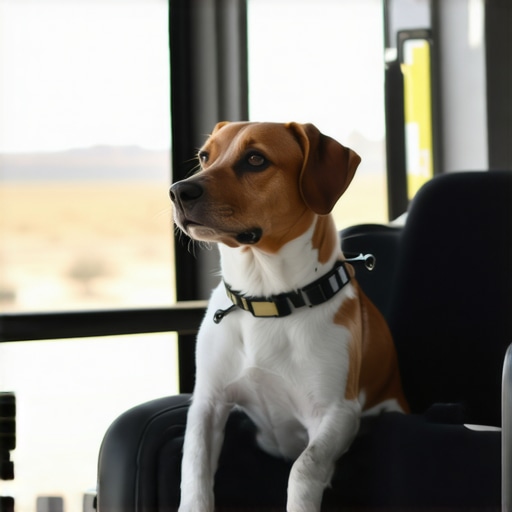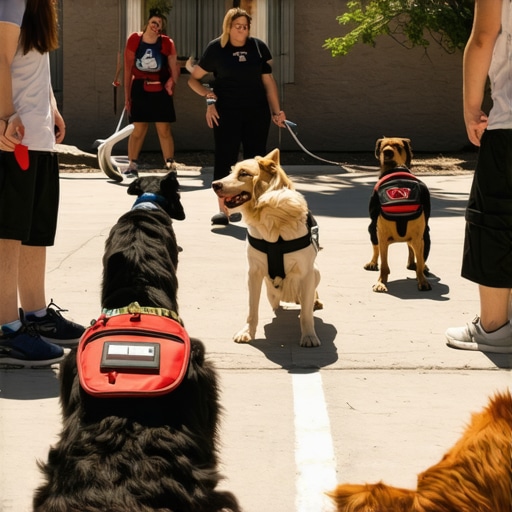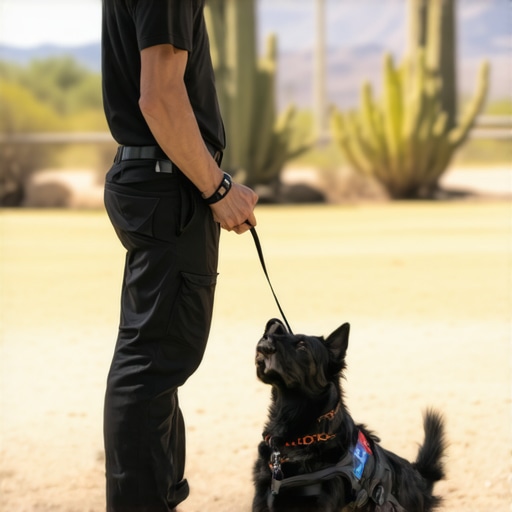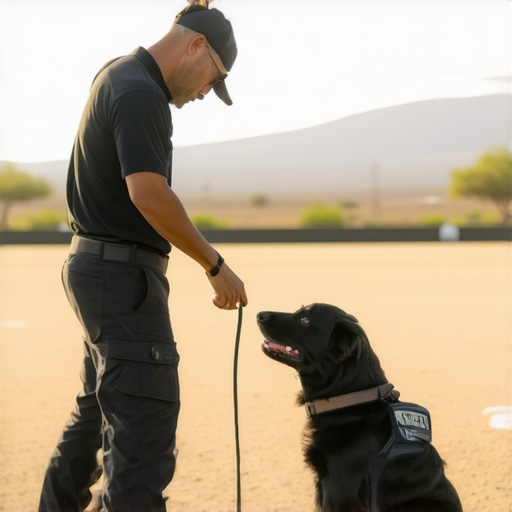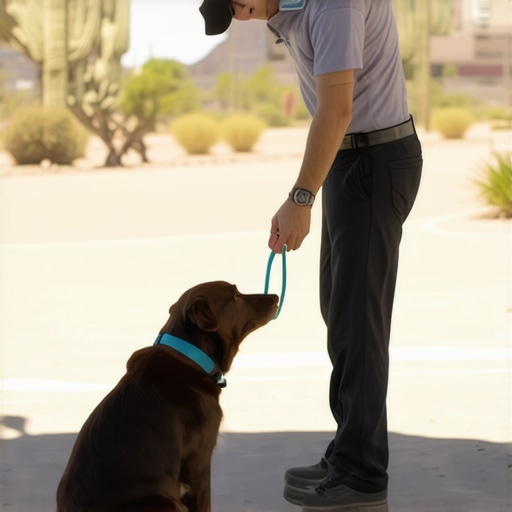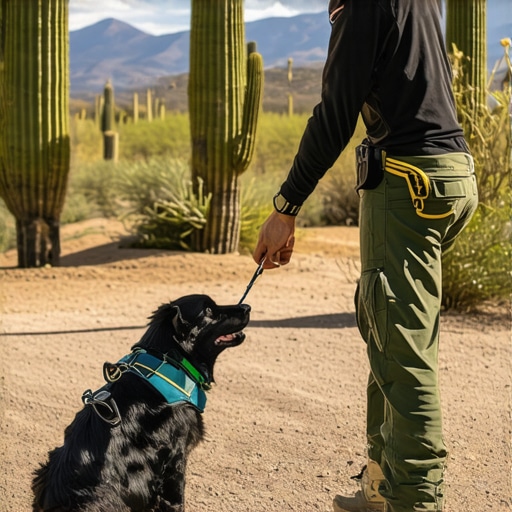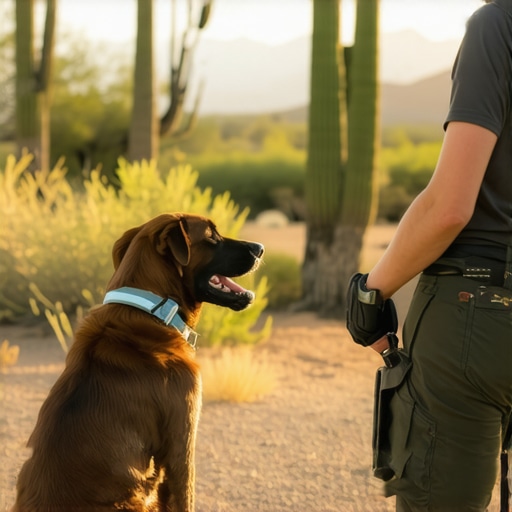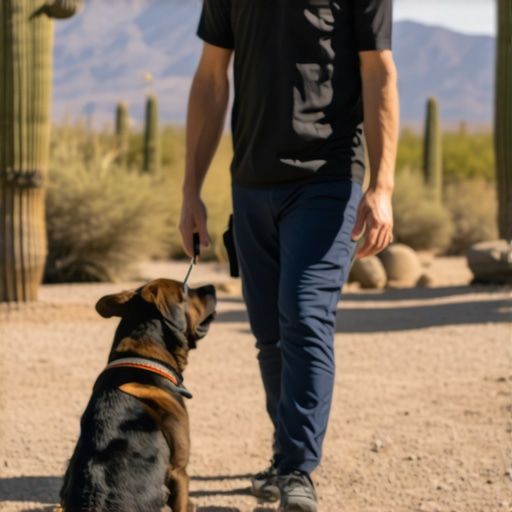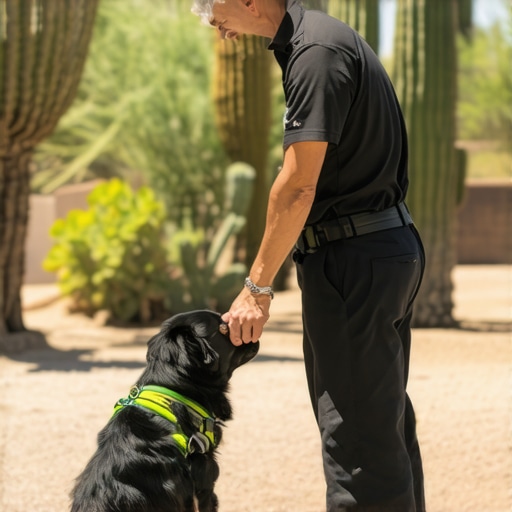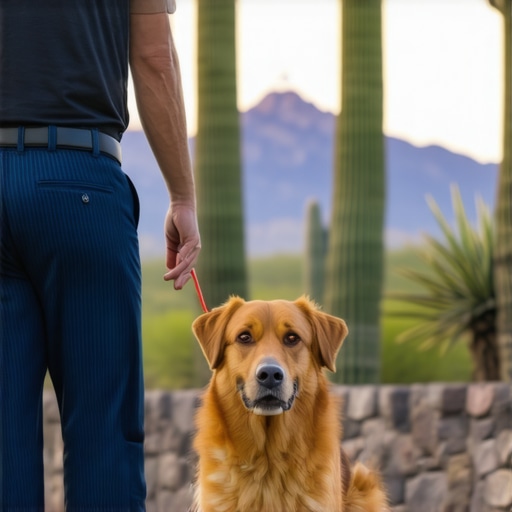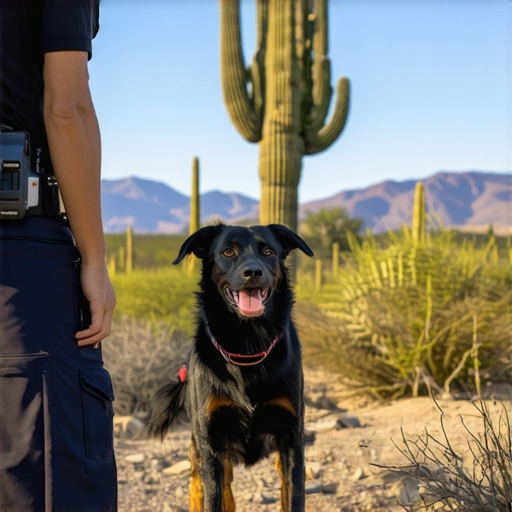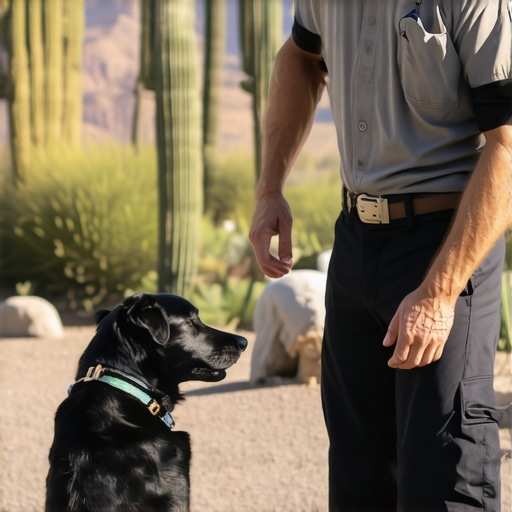
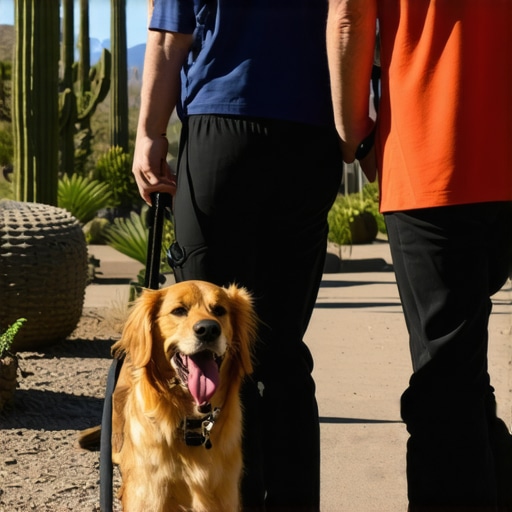
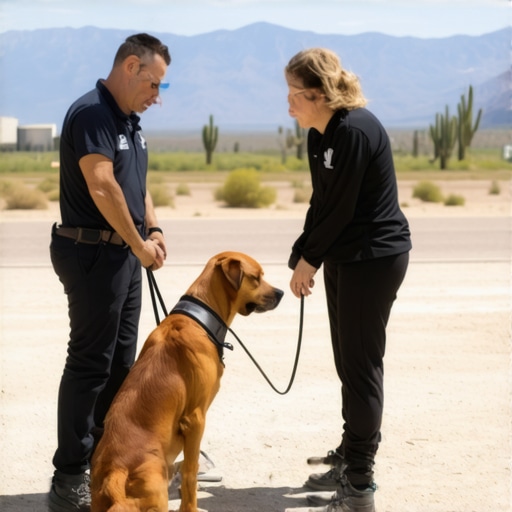
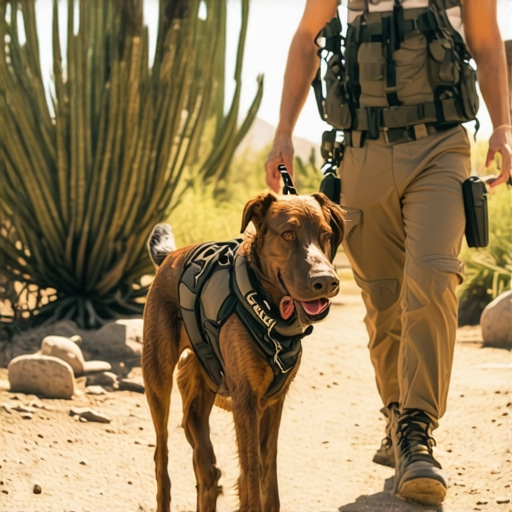
The smell of burnt rubber and WD-40 usually means a radiator blew, but in Mesa during a July afternoon, it is just the scent of the driveway. I spend my days under hoods feeling the literal radiation coming off the concrete, and let me tell you, the heat does not negotiate. People walk their labs on the sidewalk at 2 PM and think a thin layer of nylon is going to save them. It is pure fantasy. You see the engine ticking as it cools down? That is the sound of metal contracting. Your dog paws do not have that luxury. If you are looking for the straight truth on how to keep a K9 standing on a 160-degree surface without melting their pads, you have come to the right place. Most gear is junk. Most advice is dangerous. Let us talk shop. [image_placeholder_1]
The radiator leak in your dog paws
Dogs do not sweat like we do. They do not have a full-body cooling system. They rely on their paws and their tongues to dump heat. When you wrap those paws in thick, non-breathable rubber boots, you are essentially plugging the radiator. I have seen folks in Gilbert buying these heavy-duty winter boots for an Arizona summer. That is like putting a winter coat on a transmission in the middle of a desert race. The heat stays trapped inside the boot, causing the internal temperature to spike. We call this a thermal feedback loop. You think you are protecting the paw from the ground, but you are actually steaming it from the inside out. Physical heat transfer from the asphalt is only half the battle. If the boot cannot breathe, the paw cannot cool. Most people ignore this because the packaging looks rugged. Rugged does not mean effective when the air is 115 degrees and the ground is hot enough to fry an egg in thirty seconds. Look for a boot with a perforated top but a thick, heat-treated sole. That is the only way to balance protection with ventilation.
Mesa pavement does not care about your brand
In the East Valley, from Apache Junction down to Queen Creek, the asphalt density is a different beast entirely. It retains heat long after the sun goes down. A common myth suggests that any boot with a rubber sole will work. That is false. Standard vulcanized rubber has a melting point that gets dangerously soft at Arizona ground temps. You need high-grade silicone or specialized heat-resistant synthetics. I have seen cheap boots literally fuse to the sidewalk. It is a mess. When the ground hits that 160-degree mark, the structural integrity of your dog footwear is the only thing between a walk and a trip to the emergency vet. Local reality dictates that you check the pavement with the back of your hand. If you cannot hold it there for seven seconds, your dog should not be out there, boots or no boots. We are talking about literal second-degree burns in under a minute of exposure.
When mesh becomes a convection oven
One of the biggest scams in the pet industry is the breathable mesh bootie that has a paper-thin sole. Salespeople love to push these for summer. They tell you it keeps the dog cool. Sure, the top is cool, but the bottom is a conductor. It is like trying to stir a boiling pot with a plastic spoon. It is going to fail. For 2026, the technology has shifted toward multi-layered heat shields. You want a sole that has an air gap or a thermal break built into the construction. Think about the heat shields on a car exhaust. They are not just thick metal; they are layers designed to stop the transfer of energy. If the bootie is just a single piece of molded plastic, the heat moves through it instantly. Your dog is basically walking on a hot griddle with a thin piece of parchment paper. It is not enough. You need gear that has been stress-tested in the Phoenix sun, not some lab in a rainy climate. If you want real protection, you look for the stuff used by working K9 handlers in the desert. They do not buy the sparkly stuff from the big box stores. They buy gear that has a high Shore durometer rating for the sole. It is about the chemistry of the material. Harder materials generally transfer heat slower than soft, squishy foams.
The friction of reality in the desert
I hear the same three excuses every summer. First, my dog hates boots. Second, it is just a quick walk. Third, the grass is enough. Let us break those down. Dogs hate boots because they cannot feel the ground, which is a vital sensory input for them. You have to desensitize them during the winter months when the stakes are low. If you wait until it is 110 degrees to put boots on a dog for the first time, you are asking for a disaster. As for the quick walk, it takes seconds for a pad to blister. By the time they start limping, the damage is done. And the grass? In Arizona, the grass is often surrounded by concrete that is radiating heat. The air right above the ground can be 20 degrees hotter than the air at your head level. Your dog is breathing in that super-heated air while their paws are simmering. It is a total system failure. Stop looking for shortcuts. Get the right gear, train the dog to wear it, and respect the thermometer. If the local weather report mentions a heat advisory, keep the dog inside. No boot on the market is a substitute for common sense.
Frequently Asked Questions from the Valley
Will any boot work if I only walk in the shade? No. Shade in Arizona just means the ground is 130 instead of 160. It is still dangerously hot for bare paws. How do I know if the boots fit correctly? If the boot rotates when the dog walks, it is too loose and will cause friction burns. It should be snug like a well-fitted work glove. Can I use baby socks inside the boots? Only if they are moisture-wicking. Cotton holds onto sweat and will actually cause the paw to prune and blister faster. How long can my dog stay on the pavement with boots? Even with top-tier gear, keep it under fifteen minutes. The heat will eventually soak through any material. What should I do if my dog burns their pads? Get off the heat immediately, use cool (not ice cold) water to lower the temperature, and get to a vet in Mesa or Phoenix immediately.
Stop treating your dog safety like a hobby. This is a high-heat environment that requires professional-grade solutions. If you value your partner, you will ditch the myths and gear up properly before the next heatwave hits. Stay safe out there.



![5 Pavement Safety Rules for Service Dog Training Arizona [2026]](https://servicedogtrainingaz.com/wp-content/uploads/2026/02/5-Pavement-Safety-Rules-for-Service-Dog-Training-Arizona-2026.jpeg)